Alistair Cooke was born in Salford in 1908 to Mary Elizabeth and Samuel Cooke, a metal worker and Methodist lay-preacher. He went to school in Blackpool and won a scholarship to read English at Cambridge.
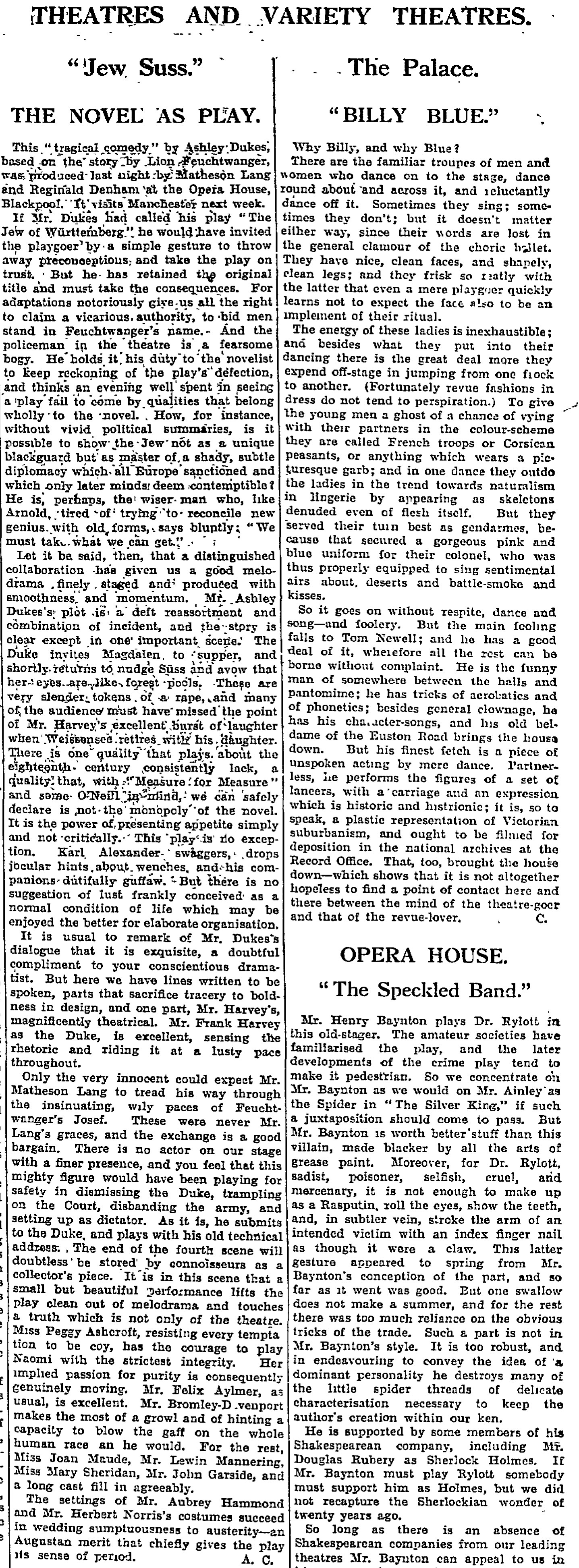
His first piece for the Manchester Guardian - a theatre review of Jew Suss, starring Peggy Ashcroft, in 1929 - was as a freelancer.
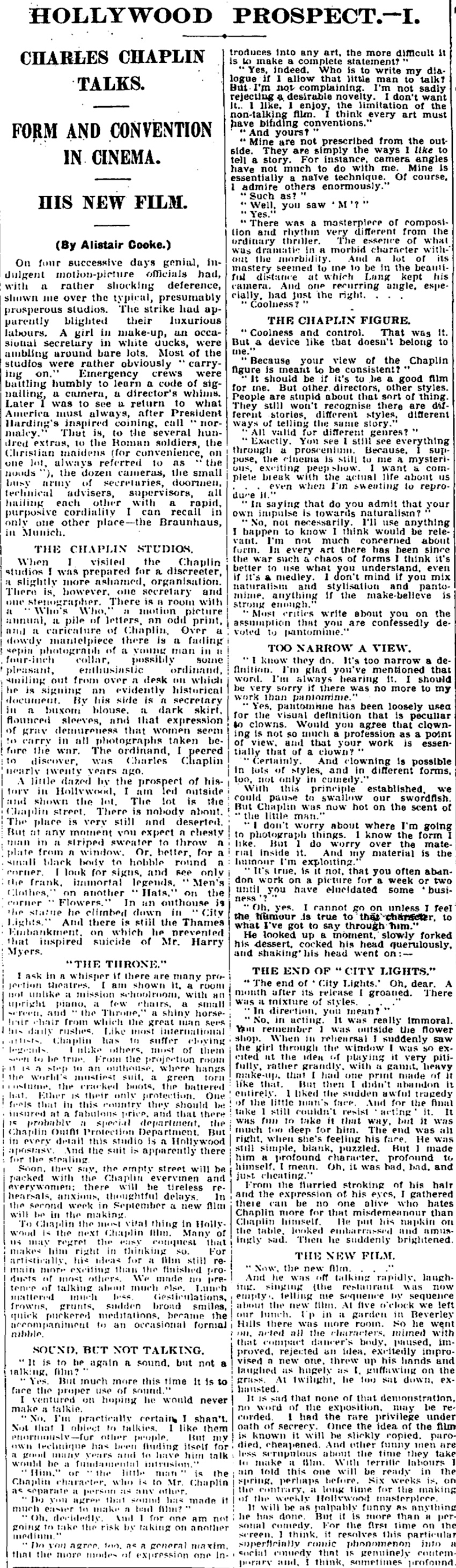
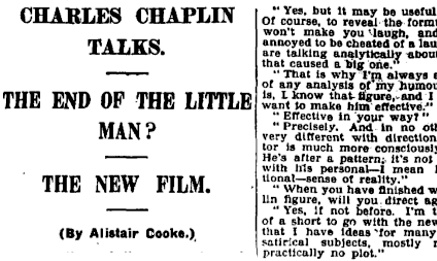
Cooke continued his education at Yale and Harvard and worked for the Observer at the same time, interviewing stars like Charlie Chaplin.
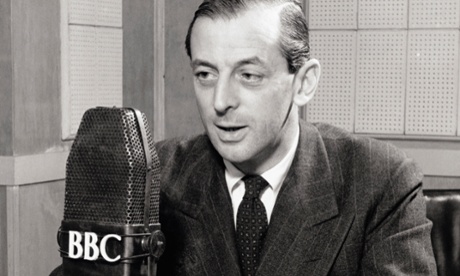
In 1934, he joined the BBC as a film critic and then began broadcasting Letter from America in 1946 - a ground breaking weekly speech radio programme about US current affairs that would captivate listeners for half a century.
In 1947, the Guardian appointed Cooke chief US correspondent - a post he held until 1972. Not one for self-doubt, Cooke wrote a leader column predicting Harry S Truman stood no chance of winning the 1948 presidential election. He couldn’t have been more wrong.
But Cooke’s talents lay in his reporting not in psephology and he went on to cover major stories like anti-communist “witch-hunts”, the civil rights struggles, revolution in Cuba, and the death of Marilyn Monroe.
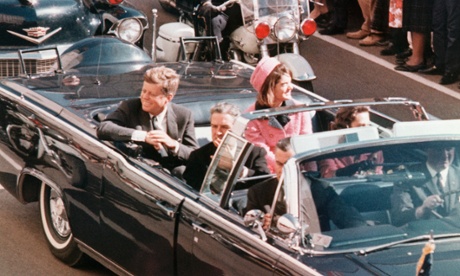
The turbulent political careers of President John F Kennedy and his brother Senator Robert Kennedy fascinated Cooke. He also wrote about charismatic civil rights leader Martin Luther King, another man who’s life was cut short by an assassin’s gun.
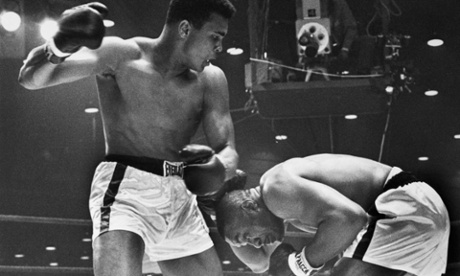
The versatility of Cooke’s writing also allowed him to cover major sports stories such as the phenomenal career of boxer Muhammad Ali.
Cooke also forged a successful career in US television, hosting the CBS flagship culture programme Omnibus and Masterpiece Theatre on PBS, which showcased British historical dramas.
In March 2004, just weeks after he called time on his long career in journalism, Cooke passed away at his home in New York aged 95. In the UK, Prime Minister Tony Blair led the tributes to the distinguished broadcaster and journalist.