25 December 1830: Tradesmen pledge to put a stop to the practice of giving alcoholic drinks to shoppers at Christmas as it is “injurious to the habits, health and morals of society”.
14 February 1849: The Manchester Guardian reports that Cambridge university students take their partying seriously.
19 December 1874: Concerns about the effect of drink on society led to the creation of the British Temperance League in 1832 with members pledging to “abstain from all liquors of an intoxicating quality … except as medicines.” By the 1870s their views were becoming more mainstream.
30 January 1885: The death is announced of Mr John King, “the first man who signed the teetotal pledge in England”.
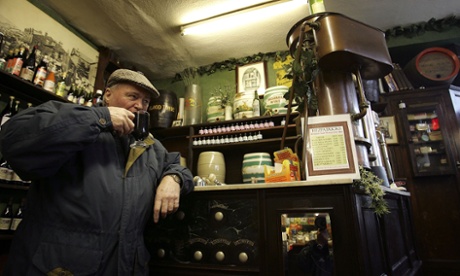
18 January 1889: The Colonial Office issues guidelines regarding the sale of alcohol in native territories under British “protection”.
3 July 1922: Despite calls - including during the first world war - for a law prohibiting the sale of alcohol, prohibition was never introduced in Britain. However, in the US it became law on 17 January 1920 with the ratification of the Eighteen Amendment.
18 February 1926: The lifestyle of the modern girl condemned - “Girls … were to be seen drinking cocktails, champagne, and liqueurs, while in time whiskies and sodas were added to the list of stimulants required to keep them going”.
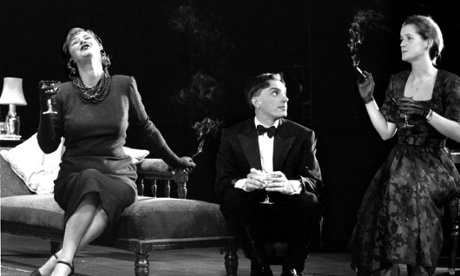
31 July 1926: The paper’s London correspondent notes the decline of the wine cellar amongst the well to do of the city. One reason given is that people “are continually letting their houses and do not care to leave their wine”.
6 December 1933: The end of prohibition in the United States.
8 February 1936: The sherry party: more room and more men.
18 December 1953: The demise of the cocktail party.
12 February 1963: Pub landlords pour beer slops back into barrels - drip tray contents don’t always go down the drain, as some customers seem to think.
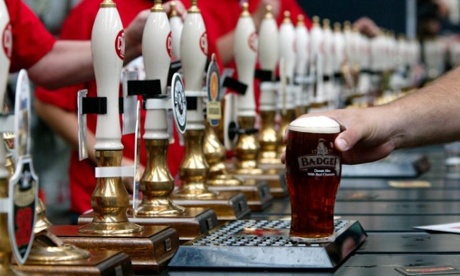
By the early 1970s most of the beer sold in British pubs was keg beer that had been filtered, pasteurised and artificially carbonated. In response, a campaign for “real ale” developed. In 1973, Richard Boston began writing a weekly Guardian column about beer in which he aimed to convince readers of the merits of real ale over the fizzy stuff in metal casks, and help the big brewers to see the light.
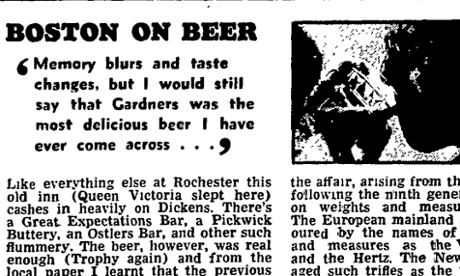
30 October 1987: One of the few places to which the serious ale drinker can be directed with confidence is Manchester.
13 June 2014: The female writers who drank. The long list of male alcoholic authors is well known, but what about their literary sisters?
Read more stories like these in Double Measures: The Guardian Book of Drinking