Platinum miner Lonmin has come under attack over its record on conditions for its workers, nearly five years after dozens of people were killed in violence at its Marikana mine in South Africa.
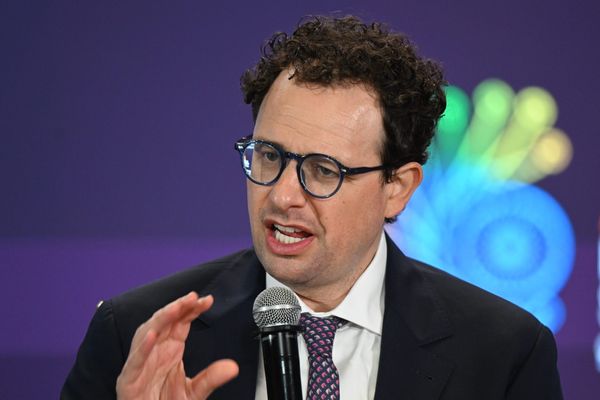
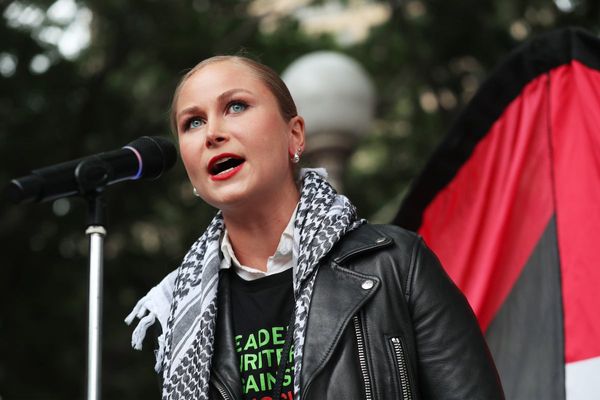
Speaking as protesters displayed placards bearing the names of the dead, the chief executive, Ben Magara, told shareholders at the group’s annual meeting that progress on building homes for 33,000 staff had been “slower than we would have liked”.
But he said rock-bottom platinum prices made it impossible for the company to resolve the housing issue and stay financially sound.
Thirty-four people were killed near the Marikana mine in August 2012, after workers went on strike, demanding a living wage from Lonmin in a complex dispute that escalated into violence.
The former bishop of Pretoria Johannes Seoka, who was on the phone to one of the victims when the police opened fire, said the company should take more responsibility.
“We’re convinced that what happened is the result of their own reaction to demands of the workers,” he said. “If they had talked with the workers that massacre would not have happened.”
Seoka and Amnesty International called for the company to move faster on building homes for miners, many of whom live in informal communities with no electricity or running water.
Lonmin reached a deal with workers last year for the basic monthly pay of 4,000 rock drill operators to rise by 2018 to nearly 12,500 South African rand (£744), the amount they were demanding in the days leading up to the 2012 massacre.
But one shareholder said she believed miners’ wage demands were “unreasonable”, comparing the sum to her own pension and disability allowance.
“The bulk of my pension goes on utilities,” she said. “They [mine workers] say they don’t have electricity, gas or running water so I don’t understand what they want to spend it on.”
Lonmin said it had taken steps to help the families of the Marikana massacre victims, including offering them jobs, paying for their children’s education and agreeing to improve housing and wages.