Long-forgotten images of Rambert and the birth of modern dance - in pictures
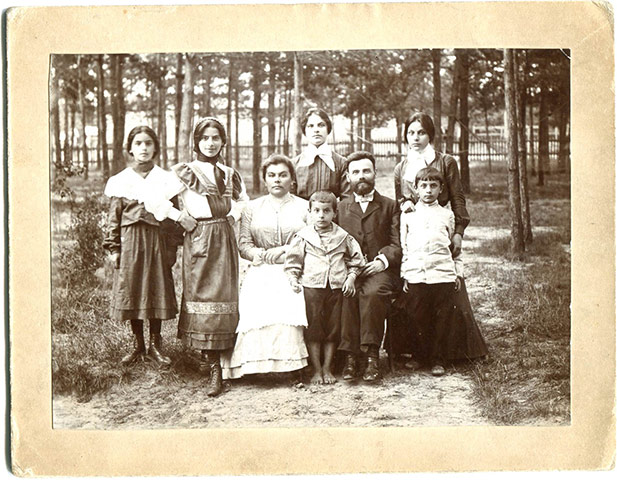
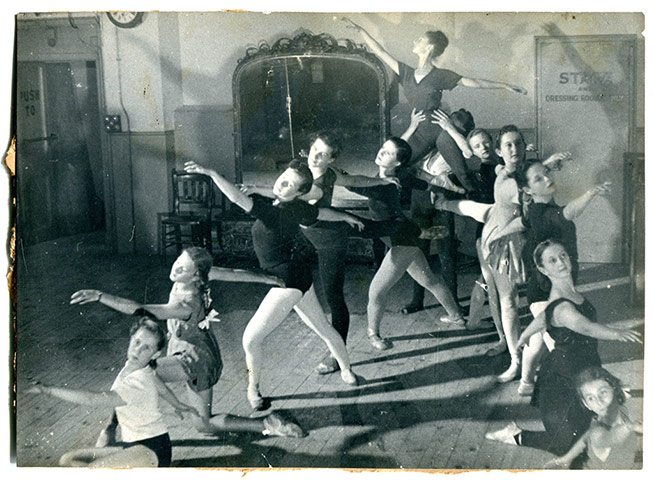
Marie Rambert (second left), in defiant pose, in a photograph taken in Warsaw in 1900. Rambert was born in Poland in 1888 and nicknamed ‘quicksilver’ as she was in constant motion. She saw the sea for the first time as a teenager and it made 'an incredible impression' on her. Her parents sent her to Paris, afraid that if she stayed in Poland her revolutionary leanings would get her into troublePhotograph: Photographer unknown/Rambert Dance CompanyRambert, who had a lifelong interest in new movement forms, studied eurhythmics with Émile Jacques-Dalcroze in Hellerau, Germany. She is pictured here (second left) in front of the new Dalcroze institute in Hellerau, in 1911Photograph: Photographer unknown/Rambert Dance CompanyMarie Rambert moved to London in 1915 and married Ashley Dukes. They transformed a building in Notting Hill into their own venue, the Mercury theatre. The name was a reference to Rambert’s ‘quicksilver’ nature. The small company of dancers she was gathering climbed onto the half-finished stage to take this excited photograph, the first of dancers onstage at the Mercury. Andrèe Howard, who went on to choreograph some of the most remarkable ballets of the 1930s, was the photographer. Rambert is in the centre (is that Frederick Ashton next to her?).Photograph: Rambert Dance Company
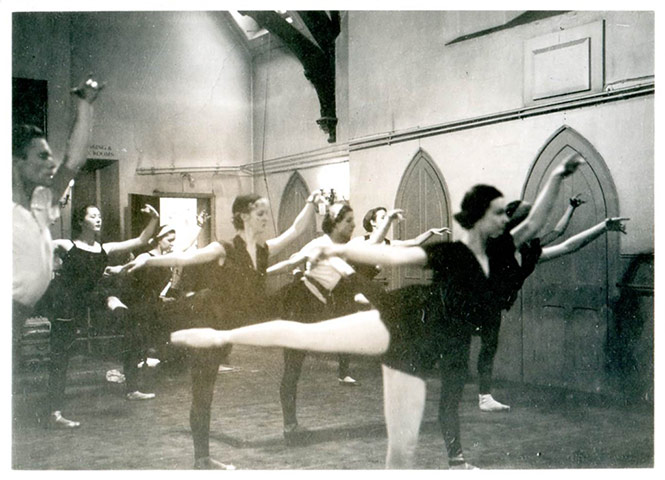
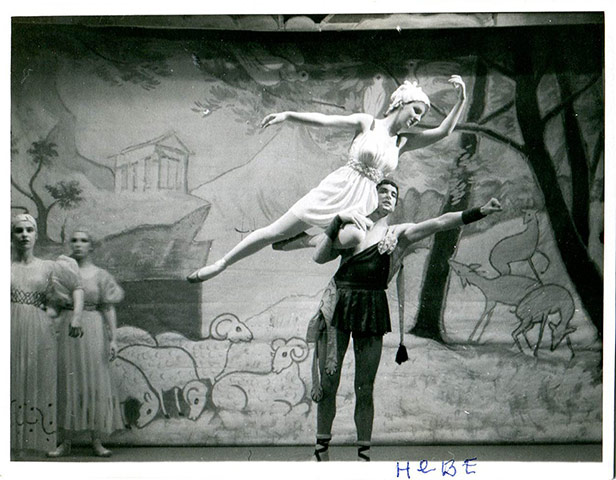
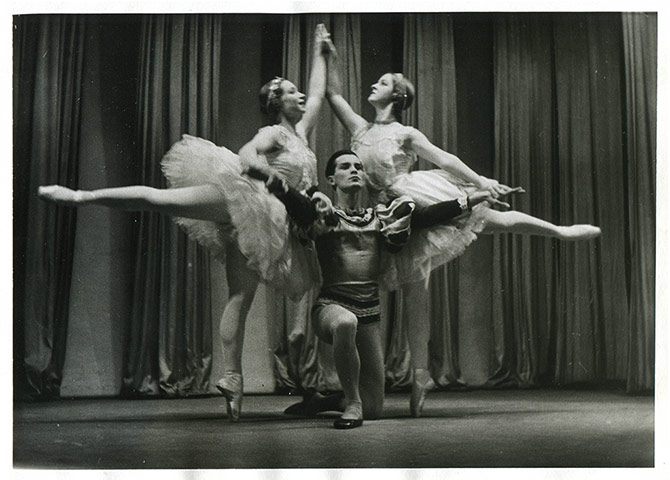
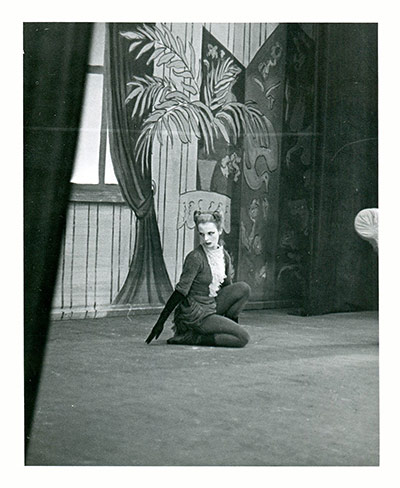
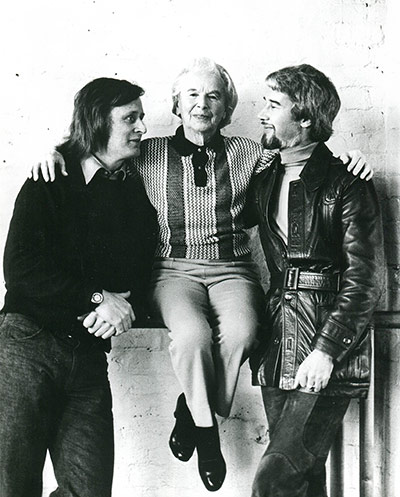
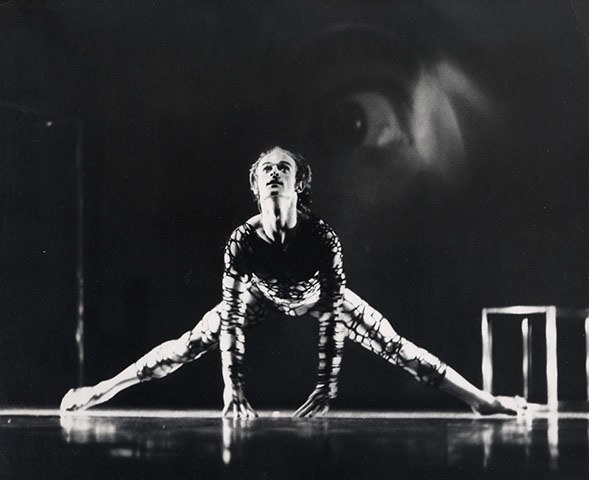
The growing company used the Mercury theatre for rehearsals, performances and teaching. This 1930s photograph of company class shows how limited the inside spaces werePhotograph: Photographer unknown/Rambert Dance CompanyDon't kick your fellow dancers! This view of the company in rehearsal at the Mercury in the 1930s demonstrates the tight spaces – and the determinationPhotograph: Photographer unknown/Rambert Dance CompanyRambert supported the development of new talent in her company. The Descent of Hebe, pictured here on the tiny Mercury stage in the 1930s, was an early ballet by Antony Tudor. The design was by Russian Imperial theatre ballet designer and artist Nadia Benois. Tudor went on to become the director of New York’s Juilliard School, and an influential international choreographer Photograph: Malcolm DunbarBallet Rambert (as they were originally known) performed classical pieces as well as creating new choreography. This is from Aurora’s Wedding, the final act of Sleeping Beauty. The company performed variations on the classics as they toured the country, building an audience and looking for their nichePhotograph: Malcolm DunbarThe Company’s fortunes dipped during the second world war, but they found new audiences by entertaining the troops on a tour of garrison theatres in Germany. This photograph from 1946 shows dancers socialising with soldiers. The tour was organised by ENSA, an organisation specialising in entertainment for the armed forces, so the dancers were kitted out in military uniforms. Rambert cartwheeled into Berlin, apparently, so happy was she to be able to perform therePhotograph: Photographer unknown/Rambert Dance CompanyThe company were offered the chance to tour Australia and New Zealand in 1947. They would be the first British ballet company to tour there and did not return to the UK for 18 months. On arrival they were received with feverish acclaim, but the tour could not help the company’s difficult financial situation. This photograph shows Marie Rambert warming up on deck en route to Australia, c. 1947Photograph: Photographer unknown/Rambert Dance CompanyThe future of the company in the UK remained uncertain. Some of the dancers loved Australia and New Zealand so much they stayed, including the company’s great star, Sally Gilmour. She is pictured here on stage in one of her most famous roles, Mrs Tebrick in Lady into Fox, in 1947Photograph: Jean StewartThe company weathered recessions and financial crises and continued to nurture new talent and innovation. In the 1960s, they began to move in fresh directions. Artistic directors John Chesworth and Norman Morrice are pictured here with Marie Rambert at the Chiswick studios. Introducing contemporary and American styles brought a controversial but raw and relevant edge to the repertoryPhotograph: Alan CunliffeRambert have moved far from their classical beginnings, but have continued to champion new talent and work. In this Glen Tetley work, Ziggurat, from 1967, the dancers (including Bob Smith, pictured) helped to crochet their own costumesPhotograph: Alan CunliffeAnother vibrant talent encouraged by Marie Rambert was Christopher Bruce. Pictured here in 1967, during rehearsals for Glen Tetley’s Pierrot Lunaire, Bruce became one of the world’s most respected choreographers as well as the artistic director of Ballet Rambert/Rambert Dance Company in the 1990sPhotograph: Alan CunliffeChoreographer Jaap Flier during rehearsals for a new work, Frames, Pulses and Interruptions, in 1977Photograph: Alan Cunliffe
Sign up to read this article
Read news from 100's of titles, curated specifically for you.