
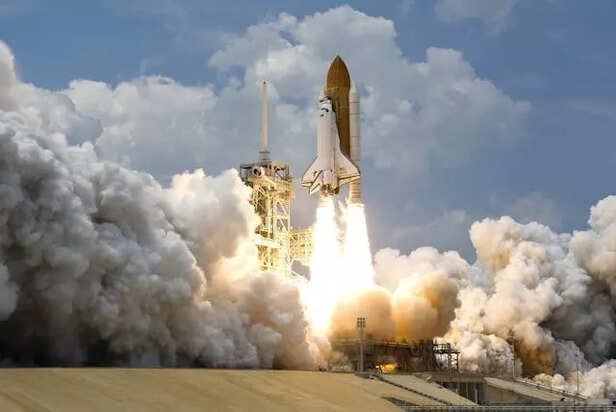
When we think of space exploration names like Yuri Gagarin and Neil Armstrong dominate the narrative. But long before humans ever strapped themselves into rockets animals were sent into space as living test subjects. Their missions were risky, one way and driven by a simple question scientists could not answer on Earth that if a living body can survive in space. These animals became silent pioneers shaping modern space science at a tremendous cost.
Fruit Flies
In 1947 fruit flies became the first animal species launched into space aboard a US V 2 rocket. They were chosen because their genetics closely resemble humans. The goal was to study the effects of radiation exposure at high altitudes. The flies survived and returned safely proving that life could brief space travel.
Albert the Monkey
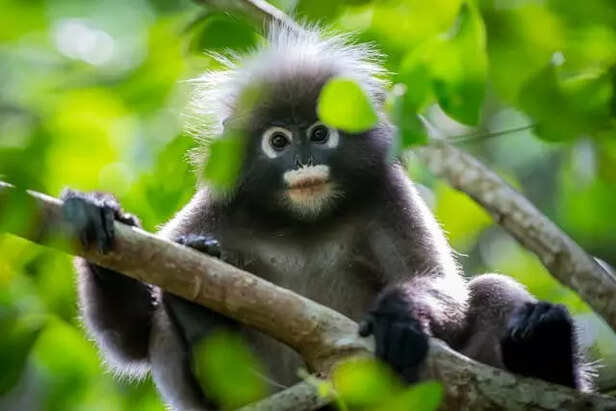
United States later sent monkeys into space and most famously a Rhesus monkey named Albert in 1949. Sadly Albert did not survive due to equipment failure. Several other Alberts followed helping Researchers understand breathing, heart rate and stress under extreme conditions. These missions highlighted how dangerous early space technology truly was.
Laika the Dog
In 1957 the Soviet Union launched Laika a stray dog from Moscow aboard Sputnik 2. She became the first animal to orbit Earth. Unlike later missions Laika's journey had no planned return. She died within hours due to overheating and stress. Laika's story remains one of the most ethically debated chapters in space history.
Mice and Rats
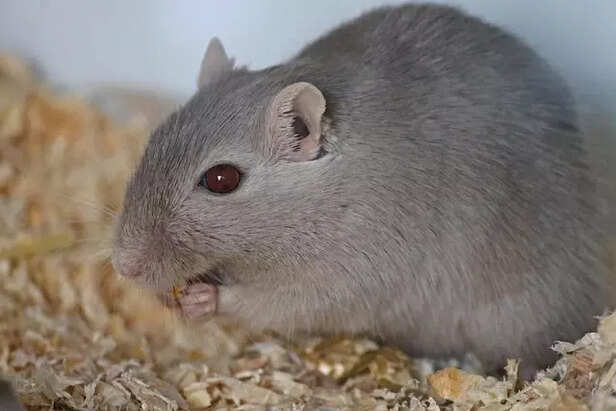
As technology improved, rodents became preferred space travelers. Mice and rats were used to study muscle loss, bone density, reproduction and long term exposure to microgravity. Many of these missions allowed animals to return alive providing crucial data that directly influenced human astronaut training and spacecraft design.
Tortoises and Fish
Space agencies also experimented with less obvious animals. In 1968 tortoises orbited the Moon aboard the Soviet Zond 5 mission and returned safely becoming the first living beings to do so. Fish, frogs and even spiders were later sent to observe balance, behaviour and adaptation in zero gravity.
These animals were never explorers by choice yet their journeys changed history. Their missions helped scientists understand life support systems, radiation risks and the physical limits of the body which made human spaceflight possible. As space exploration enters a new era, their legacy continues to raise important ethical questions about science, sacrifice and responsibility.
Celebrate the bond with your pets, explore Health & Nutrition, discover Breeds, master Training Tips, Behavior Decoder, and set out on exciting Travel Tails with Times Pets!