
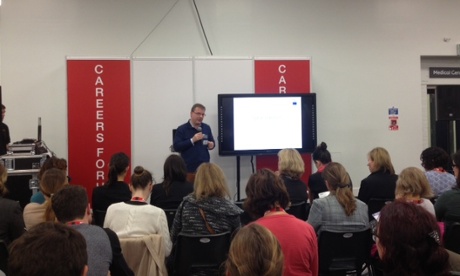
The Language Festival may have set out to be a celebration of cultural and linguistic diversity, but the first session of the weekend – the Born Global Synposium – didn’t shy away from some of the big, and difficult, questions around the state of language learning in the UK.
The session drew together some of the initial findings from the ongoing Born Global research project on the role of language skills in the workplace and global economy. Among the questions discussed was how to measure the value of language skills in the economy, and how to better support their development in schools and universities.
Top quotes from the session
The opportunity for every child must be to see the world through another lens, Berdardette Holmes, principal researcher, Born Global
Teachers bear a terrible weight for languages, we need to support them, Teresa Tinsley, director, Alcantara Communications
We need to make languages cool, Philip Dodd, managing director, UBS Ltd
Monolingualism is not a UK problem it is an Anglophone problem, Richard Hardie, chair, Born Global Steering Group
More people than ever study a language at university, this doesn’t get reported, Nick Byrne, director, Language Centre at London School of Economics
In numbers
94% of businesses say they do not require a high level of foreign language fluency as an essential core competence in their operations, CBI report Gateway to Growth
What you were saying during the festival
Michael Ford, linguist in the Intelligence Corps of the British Army:
Languages are very important to the British army and the intelligence corps because it allows us to translate foreign communications through signals intelligence. We can also use the cultural awareness of the people that learn the languages to advise commanders and the government on future intent and plans for other countries and organisations.

Kent Johansson, translation service at the European Parliament
The best thing about being a translator is getting to work with languages. It means that you have to understand how different cultures work and different ways of thinking which actually widens your own vision.
The challenge with encouraging people to become translators is that they often don’t know it exists as a career opportunity. With UK applicants we often find people who can translate out of one language, but for us you need to be able to translate out of at least two EU languages which is a dilemma. That is why we are making an extra effort to focus on the UK.
What you were tweeting
What got you talking ...
During the festival there was one question in particular that seemed to really strike a chord with the audience. It came from a comment we shared from Neil Strowger, head teacher at Bohunt School in Liphook, Hampshire, that got a reaction both on and offline.
First spontaneous applause of #LSLive “GCSE is a terrible, terrible qualification for languages” What do you think?
You said:
In pictures
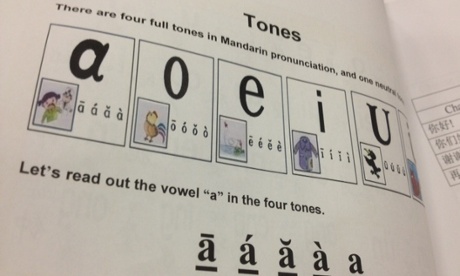
One of my personal highlights was taking an introductory lesson in Chinese. We learned how to recognise different tones and that there are two words in Chinese for hello - one is plural and one is singular.
We stopped to chat to the Linguisticator team about their posters that systematically map language patterns.
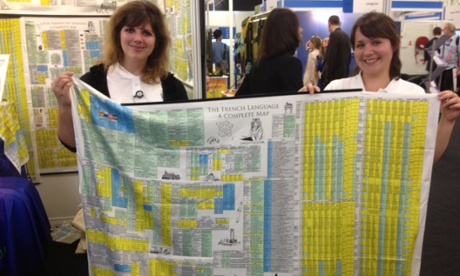
Can games help you to memorise those unfamiliar words?

Upcoming events in the Language Festival
Find out how you can get involved with the rest of the festival here and join in the discussion on the #languagesdebate hashtag.