Councillors of a South London borough have called for a tourist tax in an attempt to generate revenue from its millions of monthly visitors.
Lambeth Labour, which has a 63-seat council majority, launched a campaign for an overnight visitor levy to be introduced in the borough and London-wide.
Overnight levies are a small charge paid by visitors on top of their accommodation costs, which is then reinvested into the local area. Cities across Europe and beyond have introduced the schemes to benefit communities as well as quell the impact of overtourism.
Lambeth Labour said it believes a tourist levy is a “fair and progressive” way to ensure that mass tourism in the borough would, in turn, contribute to local life.
A motion put forward by the ruling party was passed at a meeting on 15 October, with the council agreeing to write to ministers to urge them to grant the legal powers needed.
It also said it would work with the Mayor of London and other councils in the capital, in addition to Lambeth’s Business Improvement Districts (BID), to advocate for the levy.
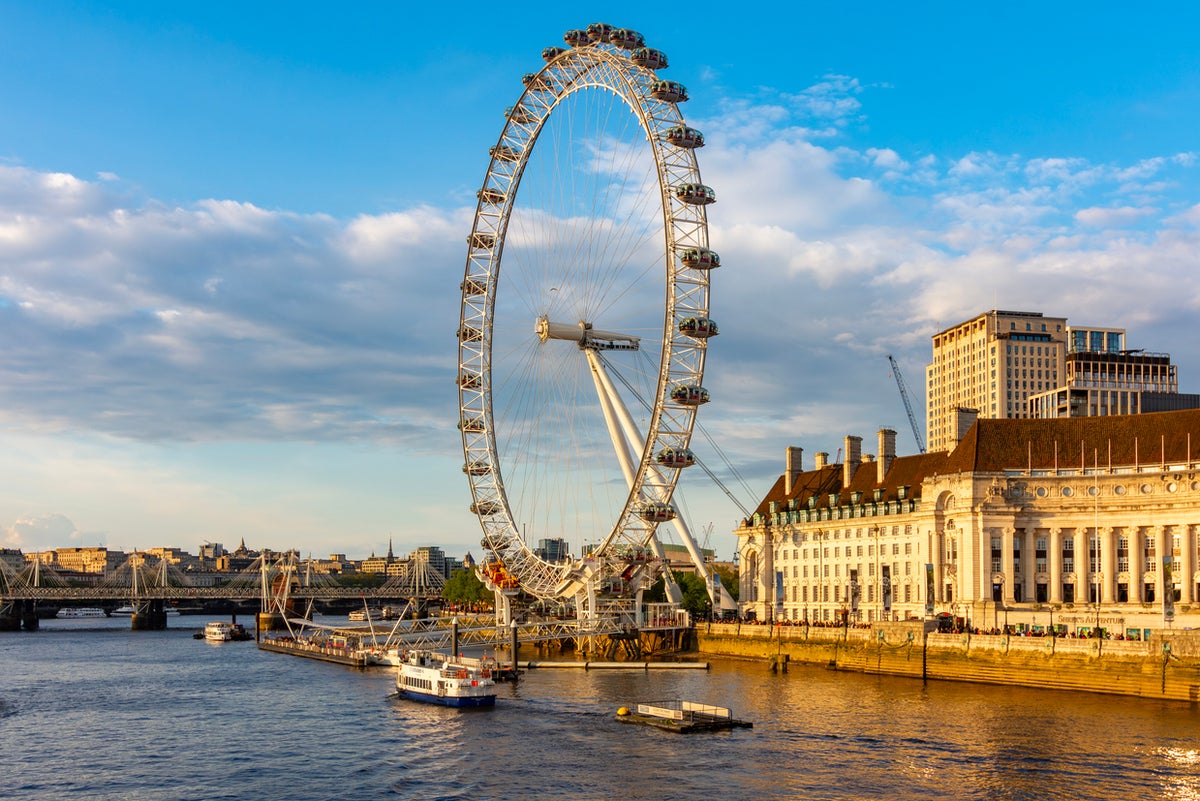
Various Lambeth attractions attract huge crowds every year, including the London Eye, Brixton’s O2 Academy and the Oval cricket ground.
The South Bank, on the edge of the River Thames, is home to the National Theatre, the British Film Institute, concert halls and galleries. It attracts more than three million visitors each month alone, with nearly 200,000 extra visitors at night each weekend.
“We’re incredibly proud of this, and we want to do everything we can as a council to expand and strengthen our borough as a leading destination to visit and live in,” Lambeth Labour said.
It added that the revenue from what it calls the “Love Lambeth Levy” could be allocated towards public improvements, such as street cleaning and maintenance of the borough, as well as promoting it as a leading destination.
While it is currently not legal for local authorities to introduce a tourist tax in England, Lambeth Labour points to similar schemes in other UK cities as a potential model.
Manchester and Liverpool both use their BIDs to raise a levy on accommodation, which generates revenue for the local area. BIDS are independent not-for-profits, so the levy isn’t established or run by local authorities.
While this is one way to introduce a tourist tax, councils continue to put pressure on the government to implement a visitor levy law, similar to Scotland and Wales, which allows their local authorities to charge the levy if they choose.
While the chancellor Rachel Reeves has previously been resistant to the idea of a tourist tax in England, pre-Budget speculation in the Times suggests it may be introduced as part of next week’s financial changes.
Read more: How much are tourist taxes in the UK and where are they charged?