London 2012's Olympic Park: the unsung buildings – in pictures
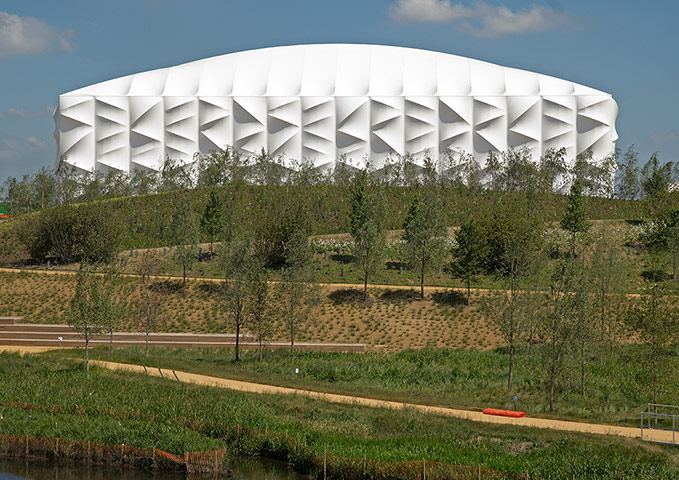
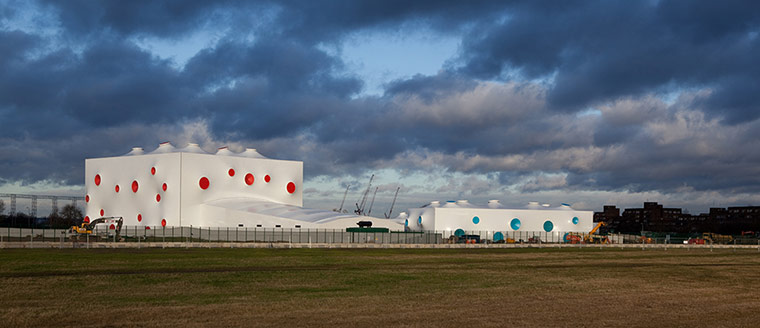
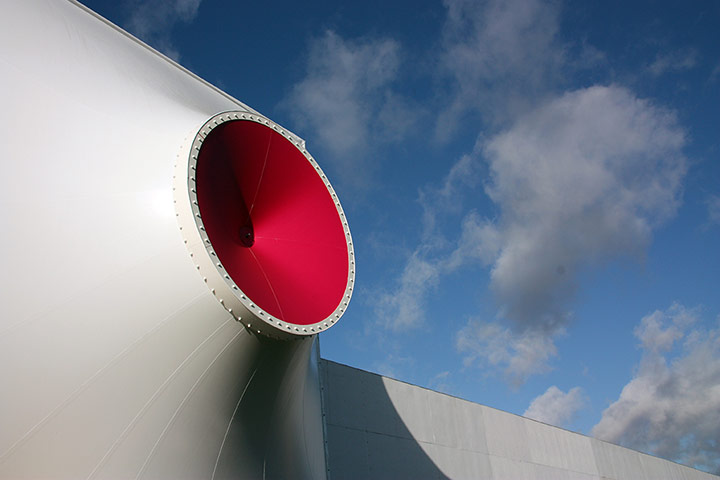
The Basketball Arena, by architects Wilkinson Eyre, is one of two venues that can be taken apart into kit form and transported. This one, which seats 12,000, consists of a tent-like membrane stretched over a random arrangement of curved forms. The chief of the 2016 Rio Olympics has expressed an interest in taking it to BrazilPhotograph: Edmund SumnerThe other reusable building, Magma Architecture's Shooting Range, consists of three separate structures located in the grounds of the Royal Artillery Barracks in Woolwich. Their walls are covered in octopus-like 'suckers' that act as ventilation shafts and, at ground level, doorwaysPhotograph: JL Diehl... and here they are up close. A suck-cess?Photograph: Magma
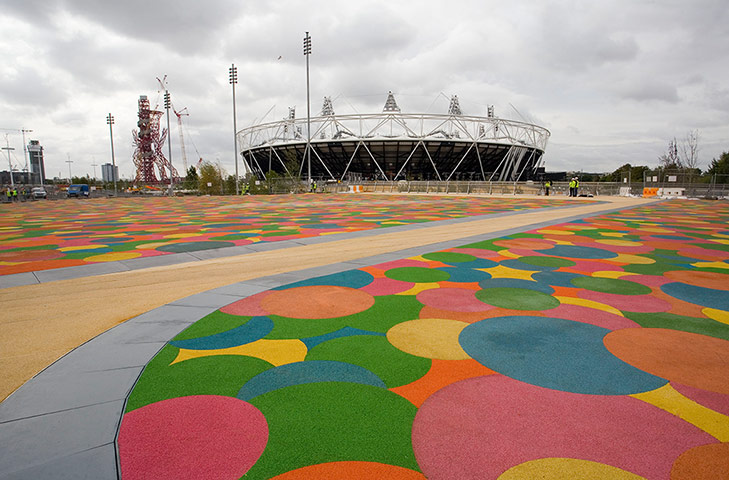
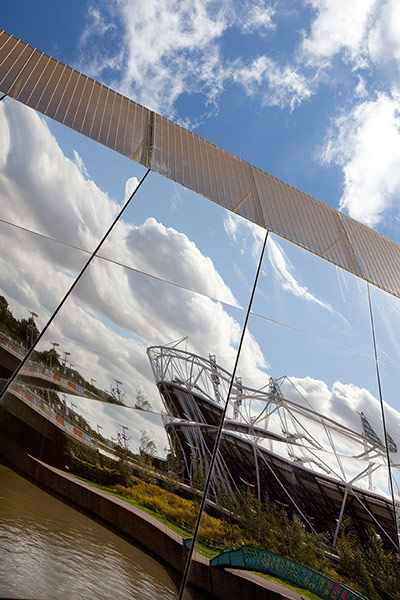
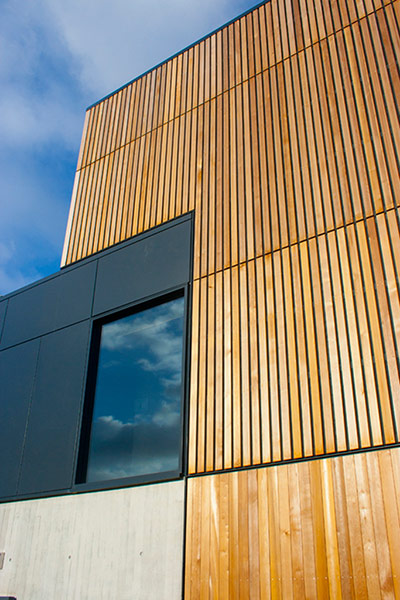
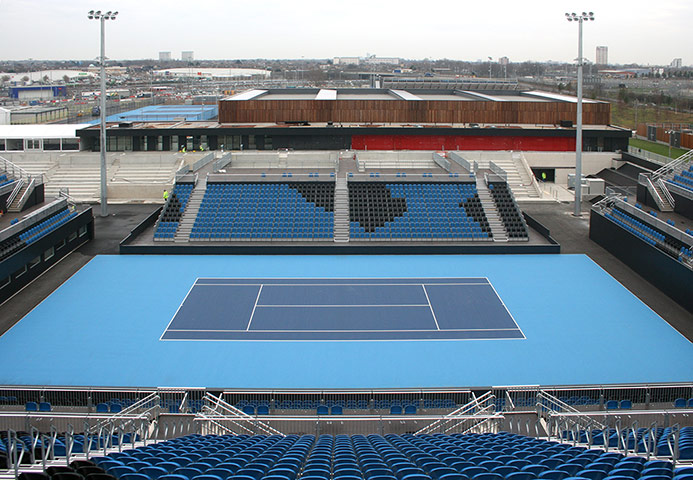
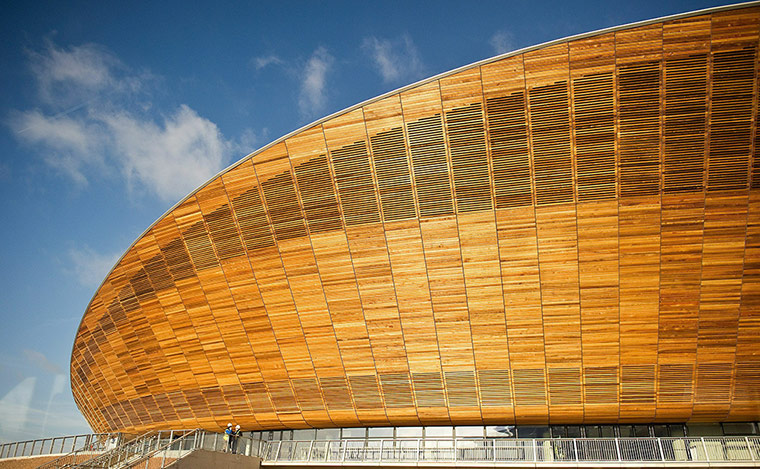
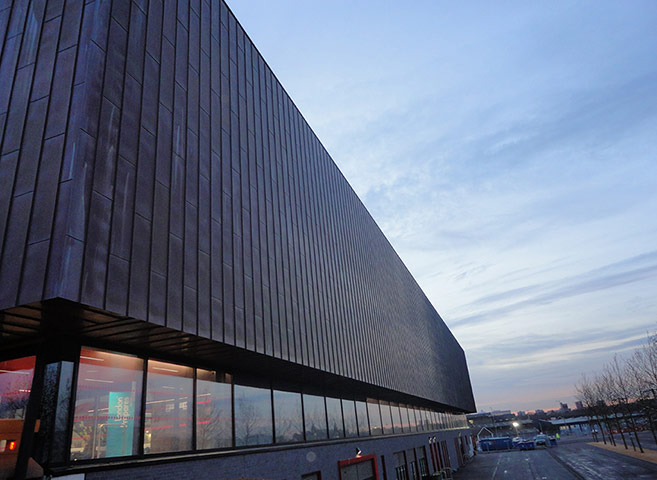
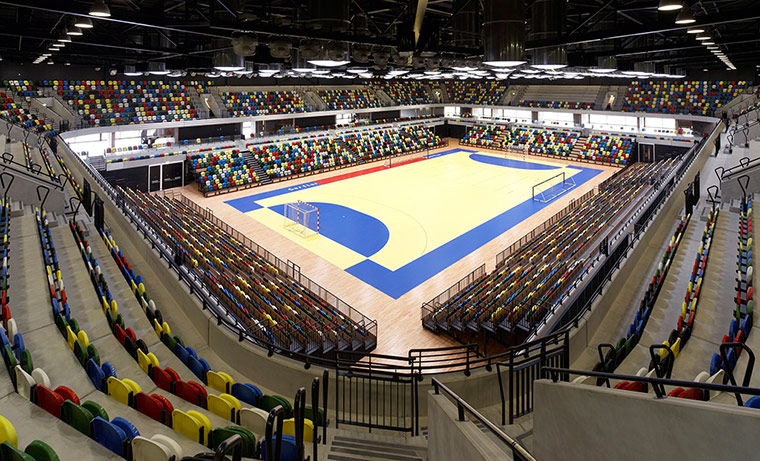
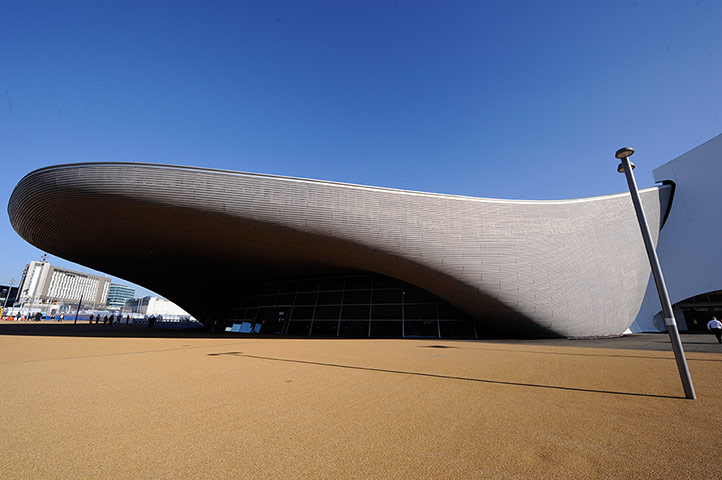
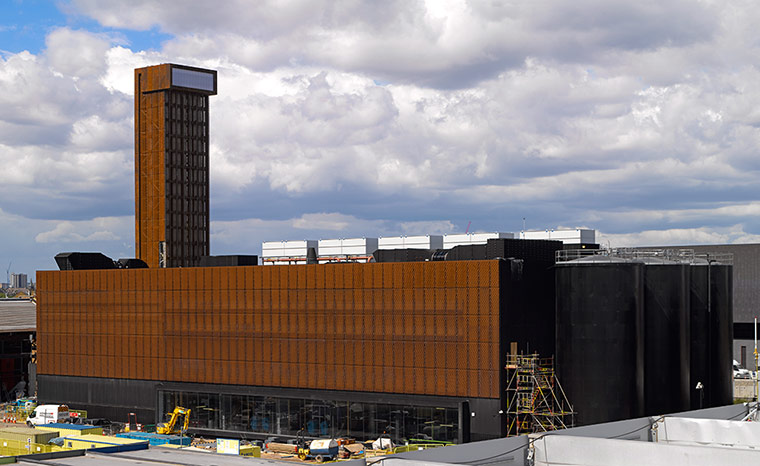
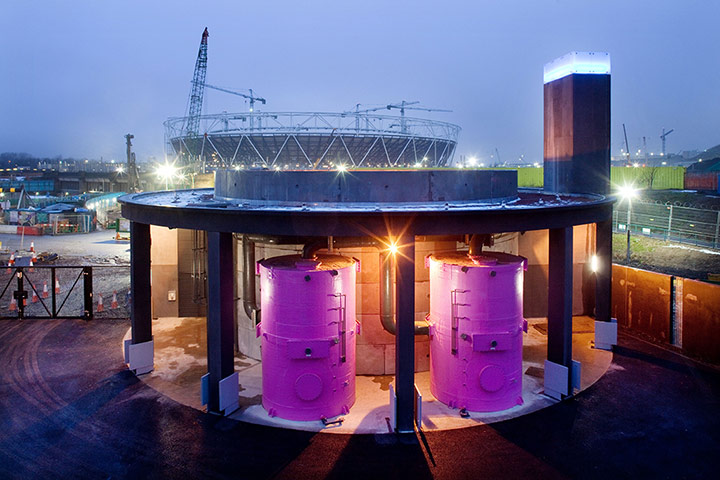
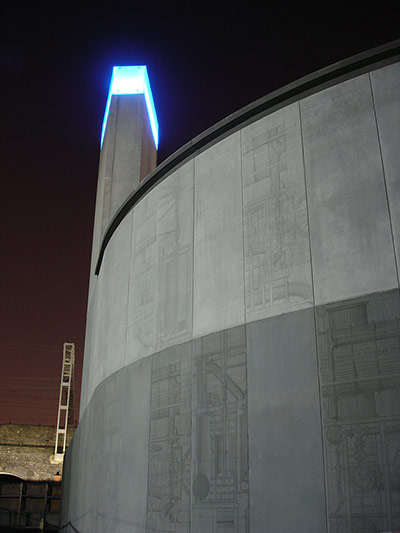
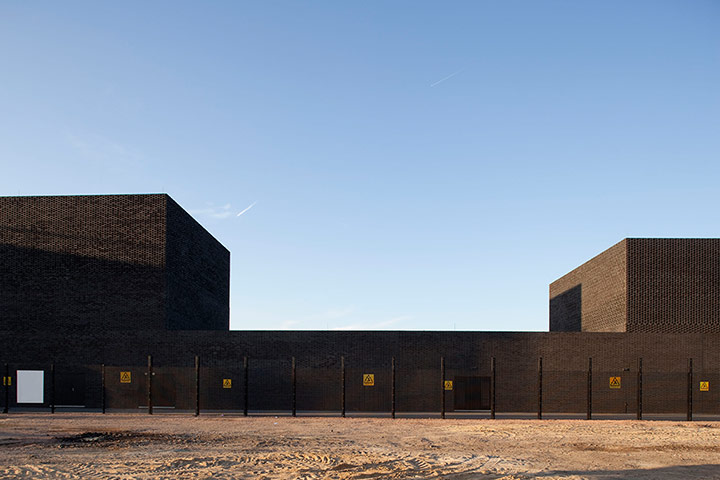
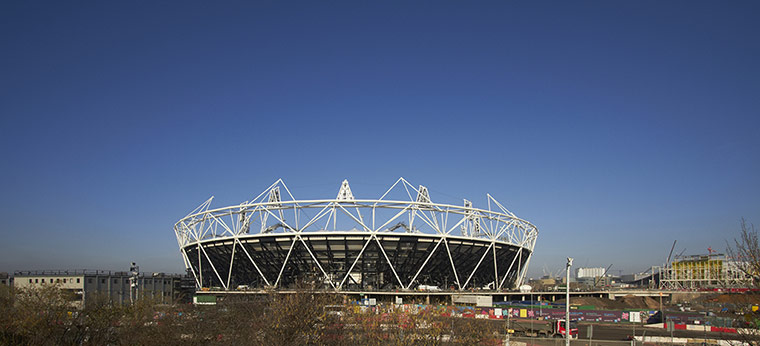
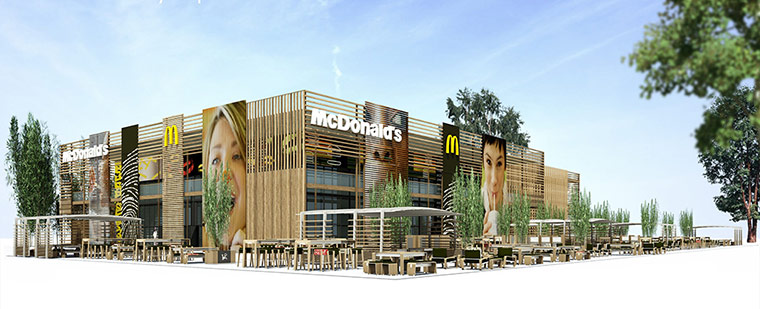
The Central Park bridge, spanning the river Lea between the Olympic Stadium and the Aquatics Centre, is really three bridges in a Z-shape. During the Games this will be the main pedestrian route, so the gaps between the bridges have been filled in with a temporary rubber surface that looks like a giant psychedelic playmatPhotograph: Dave TullyThe bridge, in the Parklands area, looks even better from beneath: its undersides resemble the keels of a catamaran. Clad in mirrored stainless steel, they create surprising reflections of the water – and, here, of the Olympic Stadium itself. The bridge cost £56m and was designed by Heneghan Peng ArchitectsPhotograph: Anthony Charlton/ODAEton Manor. Named after a boys' club founded in 1907 for underprivileged East End youngsters, this £65m construction by Stanton Williams, which will host the Paralympics wheelchair tennis, is destined for use after the events as a home for the national hockey teams and the Lawn Tennis AssociationPhotograph: Stanton WilliamsThe Eton Manor site holds one indoor tennis court and dozens of courts and pitches outdoors. With its reduced palette of materials (mainly timber, concrete and black metal), it makes a visual connection with the Velodrome next doorPhotograph: Stanton WilliamsSpeaking of which … construction workers stand near the Velodrome, one of the site's most showy jewels. It was officially opened on 22 February 2012, cost a bargain basement £93m and has been likened to a giant PringlePhotograph: Leon Neal/AFP/Getty ImagesThe Handball Arena – nicknamed the Copper Box – looks like the generic sports centre it will become post-Games, but the unassuming design holds several surprises: a rainwater harvesting system, retractable seating and 88 'light pipes' in the roof which reduce lighting bills by 40%Photograph: MakeOne of the best things about the Handball Arena is the fact that the public can stroll by and look in through a gallery situated halfway up. Construction dust went into the bricks used to build it, and even the external copper is mostly recycledPhotograph: MakeAnother of the Olympic Park's set pieces, Zaha Hadid's Aquatics Centre, is scheduled to host all swimming and diving events and pencilled in for use by the local community and elite swimmers afterwards. Presumably they'll have separate lanesPhotograph: Tom JenkinsAt last, the business end. The Olympic Energy Centre, designed by John McAslan and Partners, supplies all the electricity, heating and cooling for the site. Its aspect references Battersea Power Station, but rather than heavy brick it is clad in perforated panels of rusted Corten steel over a protective cloak of black rubber. Inside are energy-efficient gas and woodchip-burning boilersPhotograph: Edmund SumnerThe Olympic Park Pumping Station. Together with a new sewer network, the station will collect, convey and discharge foul waste from the main venues and buildings in the Olympic Park in Games-time, and from the legacy venues and residential developments after 2012. John Lyall Architects has brought a little romance to this most earthy of commissions, topping its obligatory chimney with a light boxPhotograph: Steve Bates/ODAImprinted into the walls of the Pumping Station are drawings from Joseph Bazalgette’s celebrated Victorian sewer system, which runs nearby. It’s a reminder of the last time such infrastructure was taken seriouslyPhotograph: Lyall Bills & Young ArchitectsOne of the most pleasing pieces of design on the site turns out to be one of the most mundane. You wouldn’t mistake this for a sports building; there is nothing agile about it. Instead it is robust, earthbound and hard-wearing. The upper portions of the building are a permeable lattice of brickwork, letting in air to cool the transformers within; this gives a fine texture to the unapologetically massive formsPhotograph: Steve BatesThe vast Olympic Stadium. MehPhotograph: Rex FeaturesFinally, the moment you've all been waiting for – the burgers. During its brief existence, this temporary fast-food joint will be the world’s largest and busiest McDonald's, so it’s good to see they’ve made an effort. The interior conforms to Philippe Avanzi’s 'latest European design elements' for the brand, which means more wood, bright graphics and decent furniture – most of which will be reused elsewhere after the GamesPhotograph: PR
Sign up to read this article
Read news from 100’s of titles, curated specifically for you.