People working in local economic development and regeneration often feel that their work goes unacknowledged by residents of the communities they serve, and the politicians who lead them. Social care, education, legislation and regulatory requirements, all have more kudos than economic development, they feel.
This lack of acknowledgement suits our present government - with local economic development not being at the forefront of peoples' priorities, they are able to treat the sector with almost total contempt.
Now that the immediate dust has settled on the aftermath of the spending review, the local growth white paper, and accompanying announcements, we can begin to see, through the continuing haze, the destruction that has been wrought on the economic development landscape.
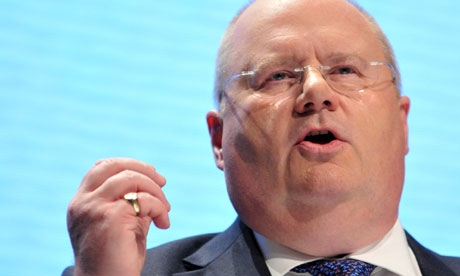
Firstly, Eric Pickles "localism" has no clothes when it comes to the economy. Huge swathes of sub-national development have been renationalised – from business support to Business Innovation and Skills (BIS) and from innovation to Technology Strategy Board (TSB).
Despite the fanfare, no formal powers or resources have been decentralised to Local Enterprise Partnerships; and such funding that they may access – the Regional Growth Fund (RGF) – is modest in size, and determined by a national advisory panel chaired by Lord Heseltine reporting to a cabinet committee chaired by Nick Clegg.
Secondly, on government's purported aim of "rebalancing" the economy, there are now at least six different "models" for leading local economic development in England. There is the London "world city" regional model, well-resourced and led by the Mayor and about half a dozen relatively-coherent "city regions" such as Manchester and Leeds, with credible working partnerships and some capacity and resource.
Then there is the "new county region" model epitomised by Kent, Essex and East Sussex which appear to have national political patronage but multiple economic geographies making even less sense than former regions. There are the 1-1.5m population attempts at establishing non-metropolitan functional economic areas (eg Solent, South East Midlands, Greater Cambridge, Greater Peterborough) with some economic coherence but little capacity, political patronage or collaborative working.
Seemingly linked only by a "business as usual" theme there are the administrative county models of 500-750,000 population (eg Cumbria, Lincolnshire) and finally – most staggeringly – there are the 13million people and 800,000 businesses with no Local Enterprise Partnership approval at all, often in the areas of most acute development challenge.
I have argued elsewhere on this blog about the recipes necessary for local success under the new arrangements. But with everyone from the CBI to the Labour Party declaiming large elements of government's new approach as mere "figleaves"; we need some sort of national apparatus and dialogue for articulating a coherent and purposeful way forward – led by local government and our business and social partners. Government's story to date has been of destruction and centralisation – all those committed to local economic development now need to come together to create a genuine story of localism and rebalancing. But the questions of how, and will they, remain.
David Marlow is chief executive of consultancy Third Life Economics and the former chief executive of Doncaster metropolitan borough council and the East of England Development Agency.
This content is brought to you by Guardian Professional. Become a local government network member to get more stories like this direct to your inbox