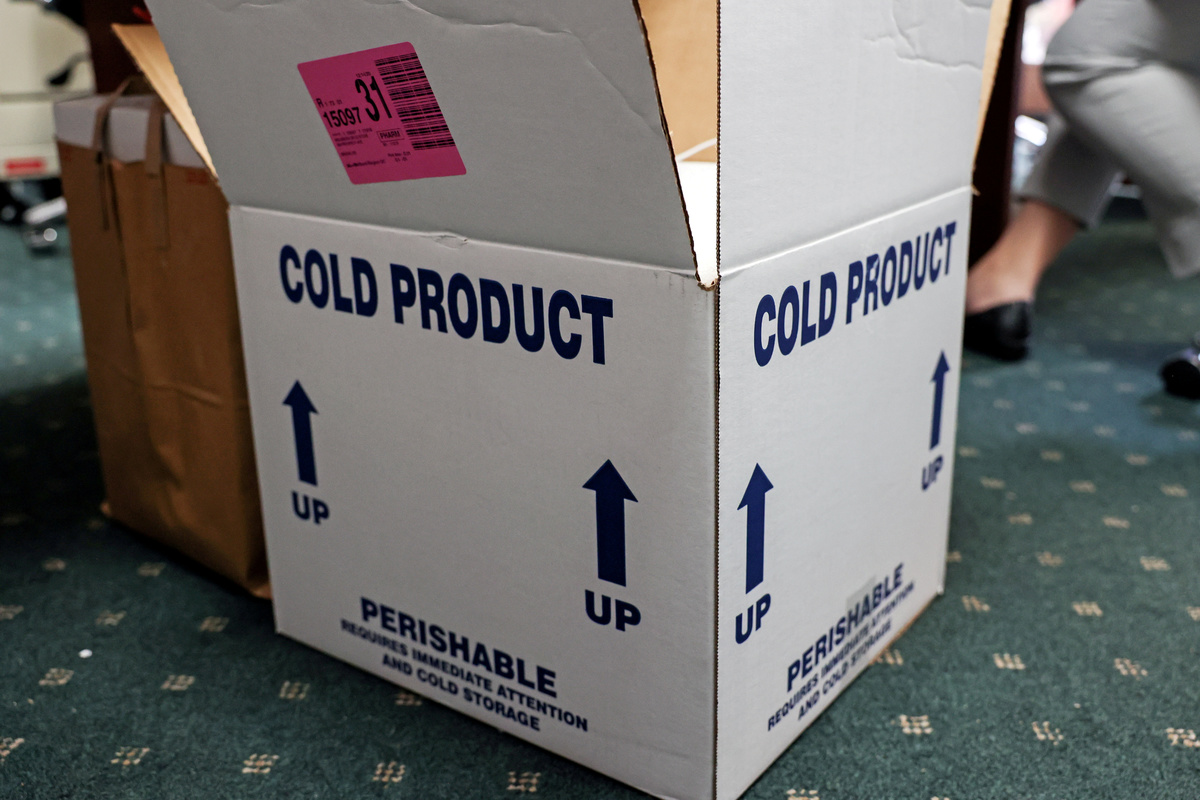
Seattle public health officials have so little COVID-19 funding on hand they worry they will have to shut down some virus testing sites as they mount a campaign to dose their 2.3 million residents with Pfizer Inc's and Moderna Inc's vaccines.
King County, which represents greater Seattle, has $14 million of COVID-19 funding for 2021, roughly enough to fund its operations for a single month, and a fraction of the $87 million emergency COVID-19 aid it received in 2020, said Ingrid Ulrey, the public health policy director for King County.
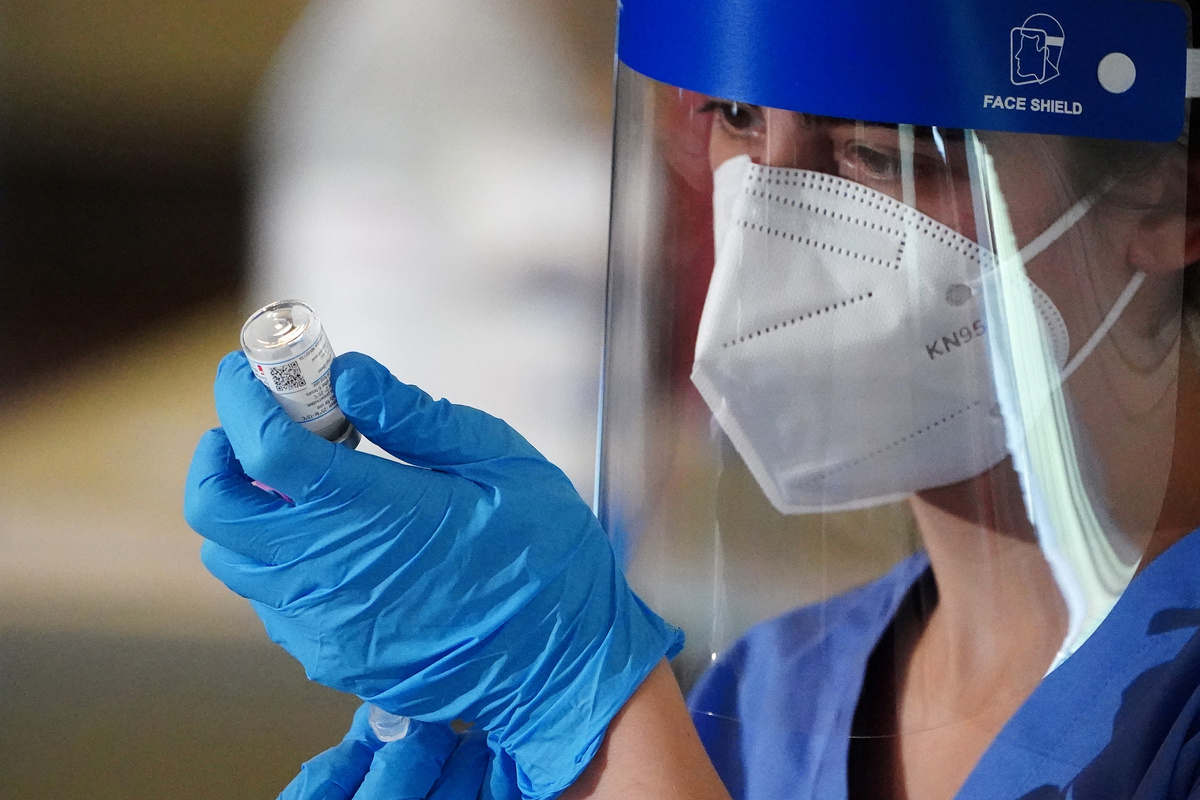
"We've been on pins and needles the whole last three or four months, watching what's happening at the federal level, waiting, watching," she said. When newly approved federal funds finally trickle down to her level, she expects them to be less than this year, insufficient and too late.
"It's shockingly low," she added. "We have a huge new, unprecedented, daunting task of vaccine delivery." King County is at risk of being unable to hire the up to 40 additional staff needed to begin the next wave of public vaccinations.
In counties across the United States, the funding crisis has limited the hiring of needed vaccine staff, delayed the creation of vaccination centers, and undermined efforts to raise public awareness, officials told Reuters.
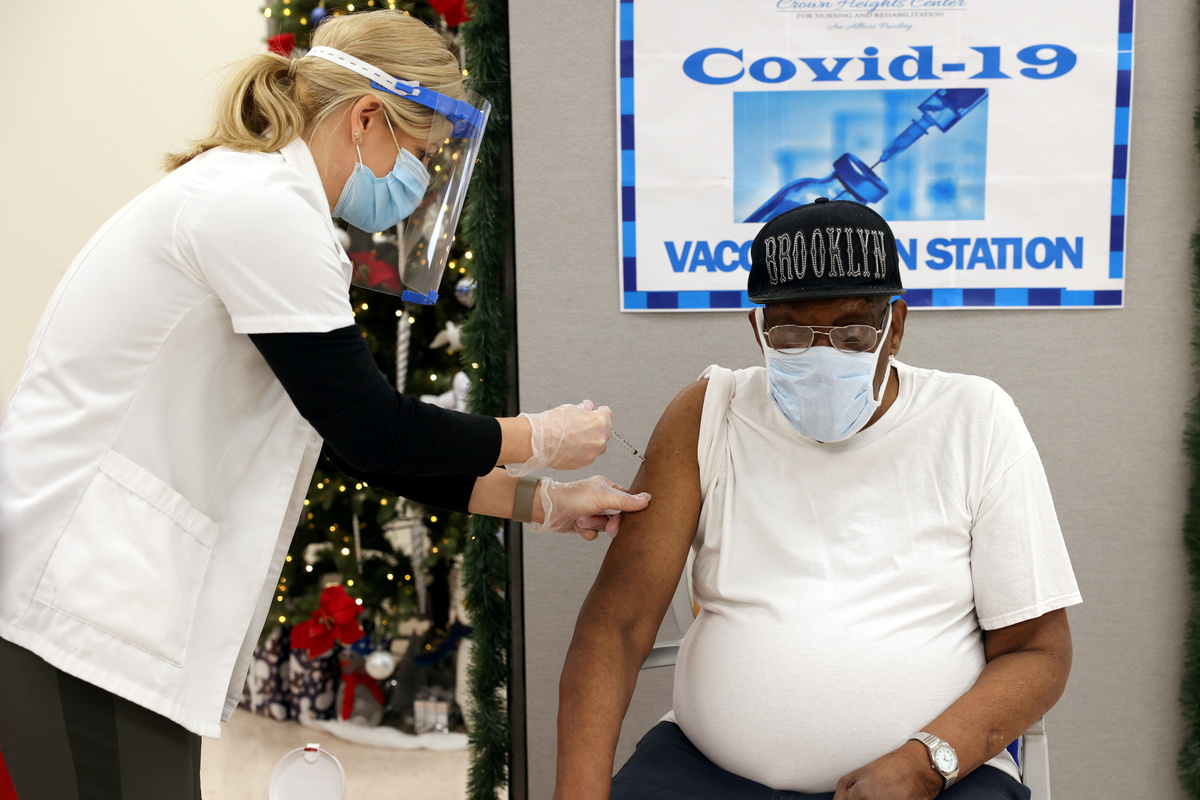
The federal government spent more than $10 billion to speed COVID-19 vaccine development but has so far disbursed little funding for distribution, even as it pushed the responsibility of actual immunizations onto state and local governments.
A new $2.3 trillion pandemic aid and spending package provides $8.75 billion to states to assist in vaccinations, in line with what state and local officials had requested, but months after distribution work should have begun.
"The Federal Government has distributed the vaccines to the states. Now it is up to the states to administer. Get moving!" U.S. President Donald Trump tweeted on Wednesday.
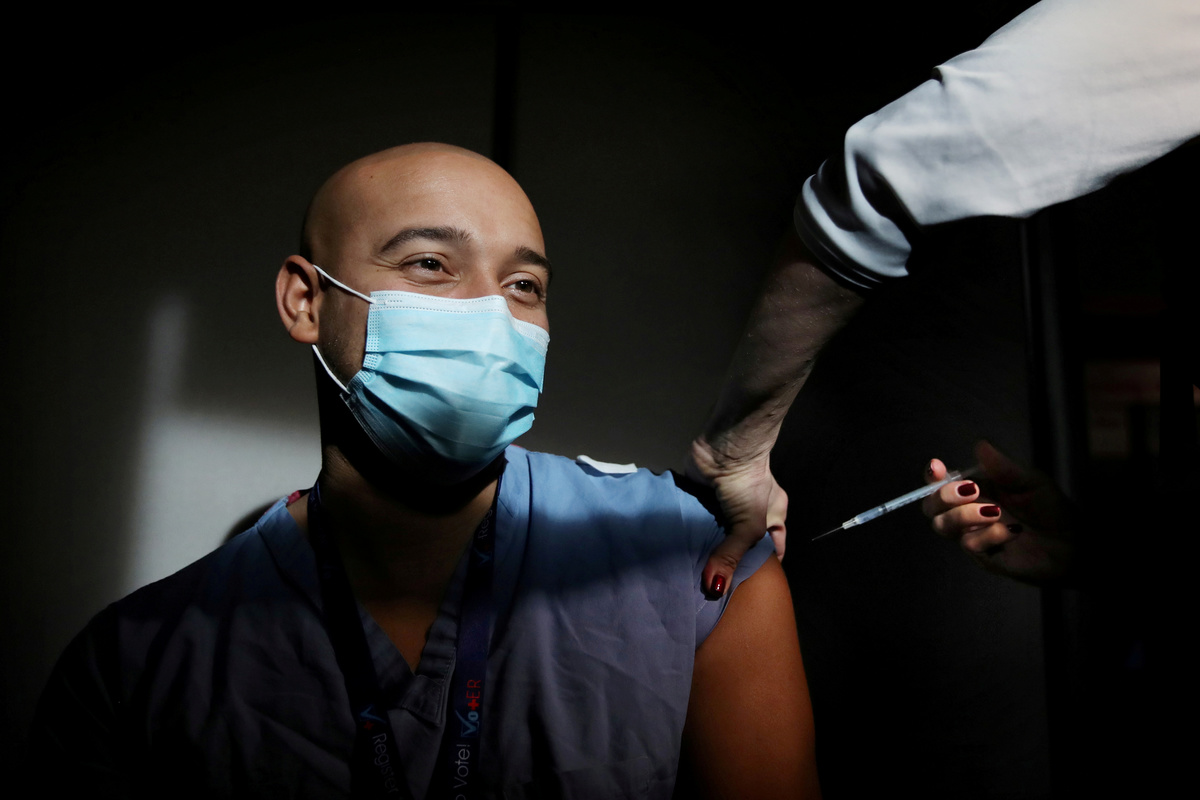
The promised wave of newly approved vaccinations has been only a ripple: around 2.8 million Americans have received a shot, including fewer than 170,000 residents of nursing homes, one of the most at-risk groups, according to the Centers for Disease Control and Prevention (CDC). That is far fewer than the 20 million vaccinations the federal government promised for December.
Nearly 10 million of the 12.4 million doses the government has distributed to states sit unused, and on Tuesday President-elect Joe Biden said it would take years, not months, to vaccinate most Americans at the current pace.
Hospitals and pharmacies CVS and Walgreens are in charge of the first wave of vaccinations of health care workers and long-term care residents. But local health systems will take a leading role in immunizing the next, bigger waves, and will be critical for groups such as the uninsured, underinsured, homeless and others.
The shortage of local public health staff will only grow more challenging as the vaccination effort expands to essential workers and older Americans, said Claire Hannan, the director of the Association of Immunization Managers, a trade group for local public health departments.
Brandon Meline, logistics chief for Illinois’s Champaign-Urbana Public Health District, said their district was tapping a rainy day fund until more federal assistance arrives.
“We’re four weeks into significant planning and two weeks into active distribution and we don’t have a secure funding stream,” Meline said in a Christmas Eve interview while waiting for a vaccine shipment to arrive.
Coconino County, the largest in Arizona by area, needs to hire around 20 people to run vaccination clinics and get to residents who live hours from hospitals, including some who are at the bottom of the Grand Canyon, said Kim Musselman, director of the county’s health and human services department.
Musselman said its nurses are stretched thin as they staff the free vaccination clinic it set up in Coconino County and will struggle to maintain it, let alone set up additional clinics, without more funding. The state has not signaled help is forthcoming.
"We have been told, because we've repeatedly asked, is there any public assistance reimbursement for vaccine-related expenditures? And we have continued to be told no at this time," she said.
(Reporting by Rebecca Spalding and Carl O'Donnell; editing by Peter Henderson, Nick Zieminski and Jonathan Oatis)