Voters are heading to the polls in local council and mayoral elections across England, Scotland and Wales in contests that could give an early picture of whether Labour is facing losses nationally on 8 June.
Labour faces a crucial test to stay the largest party in a string of councils, with particular concern about losing Glasgow to the SNP and challenges in Nottinghamshire, Lancashire, Northumberland and Cumbria from the Tories.
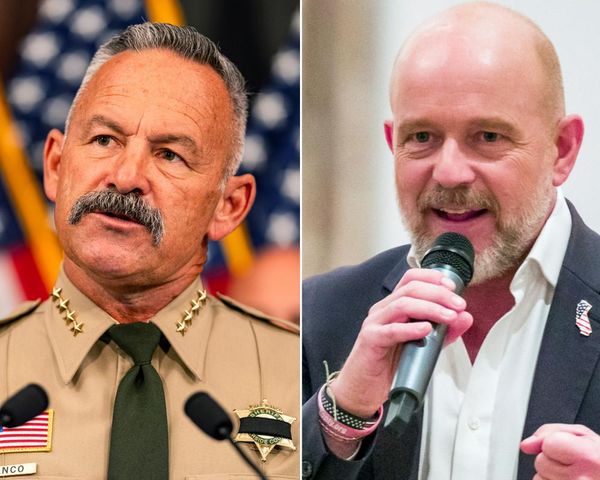
The most keenly watched battle, as a potential predictor of the party’s fortunes in England, will be the West Midlands mayoralty, where party figures said it was “too close to call” between Labour’s Siôn Simon and Tory candidate Andy Street, the former boss of John Lewis.
Senior Labour figures said the party’s strength was its base and activists in the city who could get voters out on the day. “Labour have a far stronger base, so there is some hope,” one source close to the campaign said.
However, Labour is expecting more straightforward wins for Andy Burnham, the former home secretary, in Greater Manchester, and Steve Rotheram, in the Liverpool region.
In council elections, Labour is forecast to lose about175 seats, half of them in Wales, and could lose control of all its Scottish councils, according to predictions by academics. With the Tories in the ascendancy in the east and West Midlands, both Jeremy Corbyn and Theresa May launched their local election campaigns in Nottinghamshire.
Academics from the Political Studies Association have predicted that the Conservatives will gain 115 seats in England, with 85 extra seats for the Liberal Democrats, while Labour will lose 75, but the greatest damage will be to Ukip, which could lose 105. Labour is predicted to lose more than 100 seats in Wales alone, and the Conservatives could gain 50 or more seats from a low base.
Cumbria council, which Labour runs in coalition with the Liberal Democrats, is one area where the party fears it could lose seats, after the Copeland byelection was won by the Conservatives. But Stewart Young, the Labour leader of Cumbria council, said: “Our feeling is that our vote is holding up pretty well.”
Local election results are often fought on particular local issues such as specific threats to hospitals or schools funding, so the result could be better than expected for Labour-held areas campaigning against cuts.
It would still be unusual for an opposition party to fall back in local elections but this is not an ordinary contest because it is being fought in the middle of a general election campaign, which Theresa May is trying to make all about her leadership against that of Jeremy Corbyn.