Small business in the UK is becoming big business, as more and more shoppers and consumers consider local independent retailers and service providers rather than heading straight for the leading brands.
Local Business Week (May 18 to 24) is a campaign that champions the cause of local enterprise by encouraging members of the public, as well as other businesses in the area, to support local small business owners and help them to compete with much bigger companies.
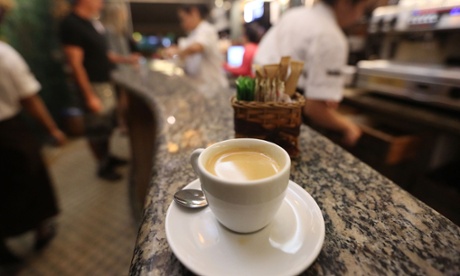
A perfect example of where this is happening can be seen in the UK’s booming coffee shop industry, which has been in growth for 16 consecutive years and is one of the most successful in the UK economy.
It is also one of the most diverse sectors, with players ranging from huge branded coffee chains such as Costa and Starbucks, to small, niche, independently-run coffee shops.
The current outlet tally is estimated to be just shy of 19,000, according to research from the Allegra World Coffee Portal.
And while the major chains hold the lion’s share of the High Street coffee shop business, the smaller independents are proving tenacious and innovative, creating their own unique identity, winning the loyalty of local customers and holding their own in a very crowded marketplace.
One of them is Birmingham-based artisan coffee shop Boo Boo Coffee, which was founded a year ago by self-confessed coffee-holics Matt Eagles and Keon Heidairinia, neither of whom had any prior knowledge of the coffee sector.
“Like any new business, there is a lot to consider when opening an independent coffee shop,” says Eagles. “In terms of equipment, a high quality coffee machine can cost around £12,000, while you can spend approximately £2,000 on each coffee grinder.”
These are areas that a coffee shop entrepreneur cannot afford to skimp on. The quality of the coffee is fundamental to customers choosing to return.
“The work of a barista is a complex science,” explains Heidairinia. “It’s all about controlling the rise in temperature of the water and getting the size of the coffee granule right to ensure the water doesn’t pass through too quickly.”
Other essential startup purchases included furniture, crockery, a sound system, air conditioning, and an alarm system. Eagles estimates that someone looking to start up a coffee shop today could expect to invest between £40,000 and £50,000.
Efficient management of stock and cashflow is also vital.
Eagles says: “The more you sell, the more you buy stock-wise, so knowing your margins on every product is crucial so that you can identify your drivers, de-list slow sellers and constantly tinker with your product offering to maximise profits, whilst still meeting customer demands.”
Given the powerful high street presence of Costa, Starbucks, Café Nero and co, location is a vital factor for a smaller operator. Boo Boo Coffee sits opposite a busy swimming pool in an affluent, leafy suburb of Birmingham, attracting lots of families, gym bunnies and local commuters using the nearby bus stops.
Heidairinia says: “Our aim was to make it a destination venue, and the strategic location and decoration of the shop, which includes a dedicated play area for children, has allowed us to create a local hub where families and friends can meet up.”
They ensure that all the local staff they employ are trained to a high standard and possess the barista skills needed, both to create a cup of coffee and an experience that can top those of their rivals.
The founders have also been smart with their premises costs. The rent is based on the number of people who can be seated in the coffee shop. So they have sacrificed floor space that could have used for extra tables and chairs, and more revenue per sitting, for a dedicated children’s play area for children, which has proved extremely popular.
“We will never be on the scale of the big global brands, so we aim to bring something different,” says Eagles. “This comes through every customer touch point – from the look of the shop, with artwork, furniture and lighting, to our staff and their expertise in the sector and genuine interest in coffee and the local community.”
You would be forgiven for assuming that a small coffee shop would want to distance itself, geographically, as far from the big brands as possible. Yet situated just yards from a busy branch of Costa Coffee, Manchester-based Vivid Lounge has built a loyal customer base since it opened in 2011.
Although he credits word of mouth recommendations for his growing clientele, owner Sam Niruben works hard to promote the coffee shop through local events and the use of social media. Ultimately it is all about finding ways to stand out from the coffee chain crowd.
He says: “Even though we strive to source everything as locally and organically as possible, we can still compete on price with Costa. But I think we offer so much more than just great food and drink.
“We have our own distinct personality, and we are constantly looking for new ways to reach new people, while giving our loyal customers a treat. Last Sunday we held a Caribbean barbecue on our terrace. We had an election night late night party – how many of the big coffee shop chains did that? And in a few months’ time we’ll be holding a summer picnic.”
Niruben, who employs nine members of staff, says connecting with the local community is key.
He says: “I would advise other budding coffee shop owners to reach out to their local community as much as possible. We work with local food bloggers, who often review our meals to spread the word, and we help promote other organisations in the area, to give them as much support as we can. The personal touch is what will set you apart, as long as you back it up with top quality food and service.”
And when Local Business Week draws to a close on Sunday, May 24, the future for the British high street and its thousands of butchers, bakers and candlestick makers – and coffee shops – will hopefully look brighter than ever.
See how energy company E.ON has helped their small business customers save energy and money here: eonenergy.com/localbusinessweek
Content on this page is paid for and produced to a brief agreed with E.ON, sponsor of the Efficiency hub.