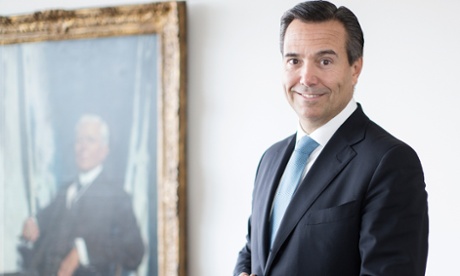
Lloyds Banking Group is facing a £100m fine for mishandling compensation payouts for mis-sold payment protection insurance, in a move that is likely to lead to a clamour for its top management team to have their bonuses withheld.
The penalty, which could be announced as soon as Friday, will come as the government prepares to offer private investors shares in the bailed-out bank – and after its boss, António Horta-Osório, received a £11.5m pay deal in 2014.
In anticipation of the punishment by industry regulator the Financial Conduct Authority, the bank has frozen the release of shares from bonuses that had been deferred from 2012 and 2013. An estimated £15m for about a dozen executives is thought to be outstanding although it is not clear what proportion has frozen.
Horta-Osório has shares worth more than £4m that have yet to be released while other key members of the bank’s management, including its finance director, George Culmer, and outgoing head of retail banking, Alison Brittain, have also had share awards postponed. It is not clear whether all or part of the shares which have been frozen will be withheld permanently.
Neither Lloyds nor the FCA would comment on the fine, which would be the latest blow to the reputation of an industry that has already incurred £25bn of costs to cover the PPI scandal. There have also been multi-billion pound fines for rigging foreign exchange markets, Libor and other markets such as gold.
While the 19% taxpayer-owned bank was the first to start paying out claims for PPI in March 2011, it has had difficulties in tackling the deluge of complaints, which at its peak were running at more than 60,000 a week. In 2013, the FCA fined Lloyds £4.3m for delays in making compensation payments to up to 140,000 customers.
Lloyds has already set aside more than any other bank to tackle PPI compensation – £12bn since 2011 when Horta-Osório stunned the City by breaking away from the industry and starting to pay out compensation.
Until then banks had been involved in a legal tussle with the regulators over PPI, which was once a major source of profits for banks. It was sold alongside loans and was intended to cover payments in the event of sickness or loss of income. But it was found to have been mis-sold to millions of customers. Lloyds, as a result of its rescue of HBOS at the height of the banking crisis, was the biggest seller of PPI products, which has had a bearing on the size of the imminent fine.
In February, Lloyds conceded that the FCA investigation into its handling of PPI claims was ongoing. At the time, the bank said: “The board has decided to freeze the release of shares in respect of deferred bonus awards from 2012 and 2013 for all members of the group executive committee and for some other senior executives until the conclusion of an ongoing and previously disclosed FCA enforcement investigation into PPI complaint handling. We are working with the regulator to resolve these issues and we continue to ensure our customers’ complaints are addressed efficiently and fairly.”
At the time, the bank made no reference to any other variable pay handed to its staff, such as long-term incentive plans, but has withheld bonuses in the past. After it started taking PPI provisions, Lloyds held back bonuses from its previous boss, Eric Daniels, and other members of the then management team. In 2012, there was also criticism that some executives had just 5% of their bonuses clawed back.
There have been only a handful of fines related to handling PPI complaints. In April, Australian-owned Clydesdale bank was the third to be fined – £20.7m – after it was found to have altered computer printouts to conceal relevant documents after making changes to the way complaints were handled. The FCA said this took place between May 2012 and June 2013.
Last month, the regulator signalled another wave of payouts related to PPI could be coming after a court ruling raised breaches of the Consumer Credit Act in the way that the insurance policy had been sold.
Campaigners for a tax on financial transactions seized on the prospect of the Lloyds fine to call for tougher government action. A spokesperson for the Robin Hood Tax campaign said: “Lloyds’ failure to properly compensate the customers it ripped off adds insult to injury and is another damning snapshot of banks’ dodgy practices. It is now crystal clear that fines alone are not enough to force the financial sector to reform – it is high time the Government took a tougher stance.” .