Photograph: David McCoy of GNM Imaging
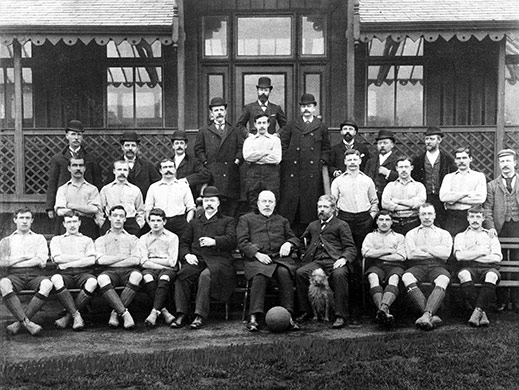
When Everton left Anfield over a rent disagreement in 1892 local businessman John Houlding founded Liverpool and took Everton's first manager, William Barclay, with him. Barclay was officially the secretary-manager while John McKenna (front row, fifth left), an Irish former rugby player, carried out the role of coach-manager. The pair guided a side dubbed 'the team of Macs' (due to its strong Scottish contingent) to promotion from the second division to the first and proved much more able to work together than Gerard Houllier and Roy Evans during their short-lived managerial partnership over a century later Photograph: Empics Sport
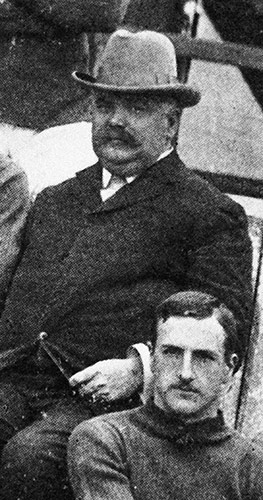
Newcastle-born, Tom Watson left Sunderland to join Liverpool and lead the club to their first two Division One titles and first ever FA Cup final in 1914. But any further success was curtailed as Watson died at the end of the following season at the relatively young age of 56 Photograph: Empics Sport
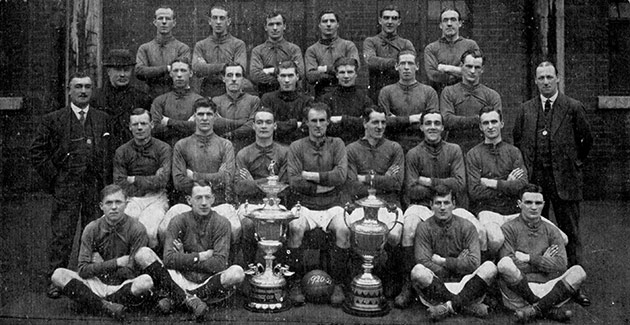
The first world war meant there would be a four-year wait before the next permanent manager arrived at Anfield. Another Irishman, David Ashworth (second row, left) arrived at Liverpool from Stockport and guided the club to a third league title before making the surprise move of leaving the league champions for Oldham Athletic Photograph: Empics Sport
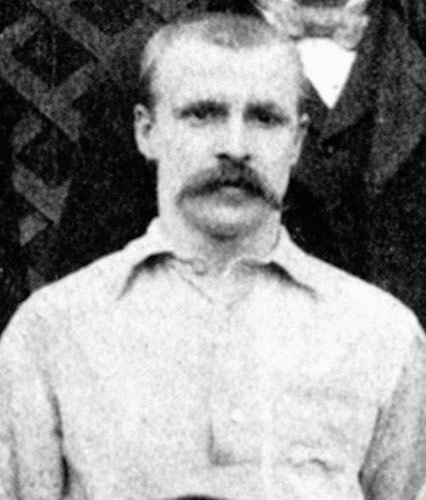
When Ashworth suddenly and unexpectedly left Anfield for Oldham Liverpool turned to one of their directors and former players Matt McQueen as a means of maintaining continuity. The idea worked as the 60-year-old Scot led the Reds to back-to-back titles and stayed in the post for a further five years Photograph: Empics Sport

A former player with local Merseyside amateur club Marine FC, George Patterson's eight-year spell as manager was somewhat uneventful. A fifth-place finish was his best achievement before the club slid into mid-table mediocrity before narrowly avoiding relegation in his final season in charge. Patterson retired due to ill-health, proving that managerial pressure was every bit as real in the days before the second world war Photograph: Empics Sport
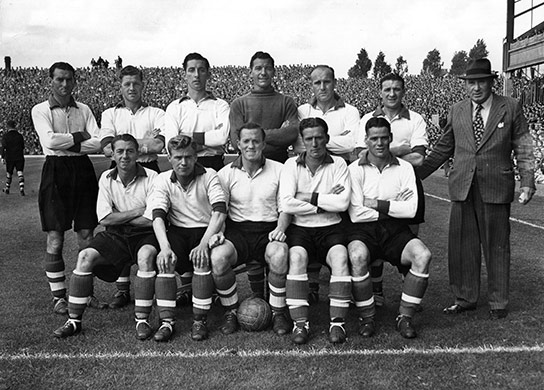
Present-day Liverpool fans may be dismayed to know that a Mancunian was ever manager of their club but they have a lot to thank George Kay (back row, right) for, as it was he who brought the legendary Liverpool winger Billy Liddell to Anfield. In a career halted for six years by the second world war Kay managed to add a fifth league title to Liverpool's honours list Photograph: Hulton Archive/Getty Images
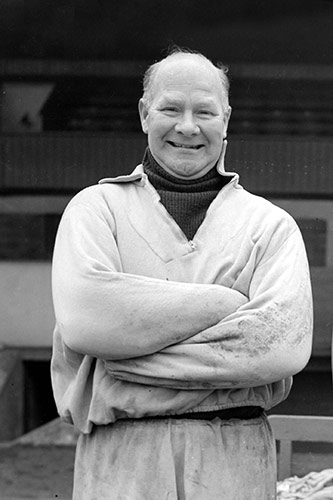
Another Mancunian, Don Welsh was the first Liverpool manager in 50 years to suffer relegation. He survived being sacked in 1955 but after managing only an 11th-placed finish the following season and watching his side humiliated 9-1 by Birmingham in the process, his time at Anfield came to an end Photograph: Colorsport
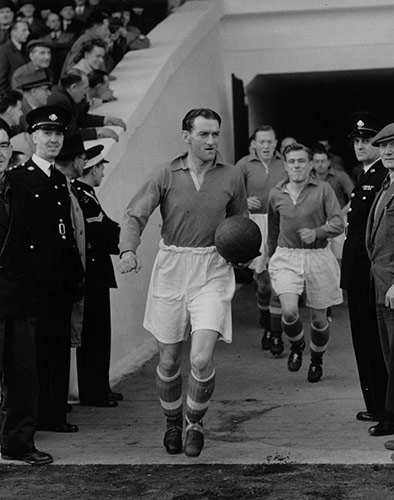
A former Liverpool defender hailing from Bristol, Phil Taylor is the only manager of Liverpool never to have managed the club in the top flight. Unable to lift the team out of its malaise Taylor would manage Liverpool for only three years before a certain man from Glenbuck arrived at Anfield … Photograph: Central Press/Getty Images
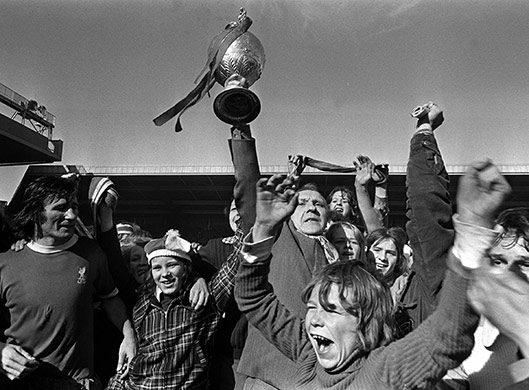
The saying goes among Liverpool supporters that no player or manager is bigger than the football club, but Bill Shankly is … almost. Charismatic, of the people and with a footballing ethos that became known as the 'Liverpool Way' he turned the meek into the mighty and dragged a stagnant club out of the dusty doldrums of England's second tier into Europe's elite. A Division Two title, three First Division titles, two FA Cups and one Uefa Cup stand alongside a semi-final defeat to Internazionale in the European Cup which Shankly always maintained was the work of malevolent forces, or “cheats” in his parlance. His resignation in 1974 was met with widespread shock, but the man from Glenbuck had laid the foundations upon which British football's most successful club would be built
Photograph: PA Archive/Press Association Images
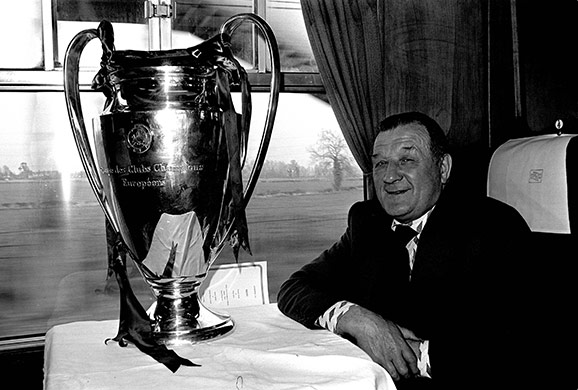
If Shankly laid the foundations, the humble man from Durham built an empire upon them. Six league titles, three European Cups, one Uefa Cup and a European Super Cup in nine seasons is a record likely never to be surpassed. Although, a feat arguably as great as any of the trophies he won, was to replace the European Footballer of the Year, Kevin Keegan, with Kenny Dalglish, voted by Liverpool supporters as the finest Liverpool player to ever grace Anfield. Paisley's promotion from coach to manager began a bootroom tradition that would last 25 years Photograph: Bob Thomas/Getty Images
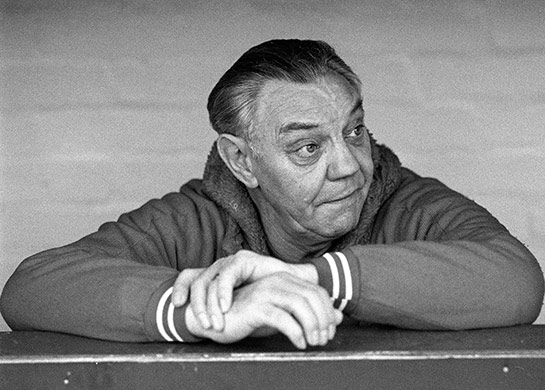
Liverpool-born, Joe Fagan worked diligently behind the scenes at Anfield. His succession to Liverpool manager made sense having been steeped in the coaching methods of both Shankly and Paisley. Fagan's two-year spell as manager included a 15th league title, a fourth European Cup and fourth League Cup. He was also the manager responsible for bringing cult hero Jan Molby to Anfield as well as being in charge of Liverpool during the 1985 European Cup final at Heysel. In the aftermath of the match, which was marred by horrendous crowd violence and the needless deaths of Juventus supporters, Fagan resigned his position Photograph: Bob Thomas/Getty Images
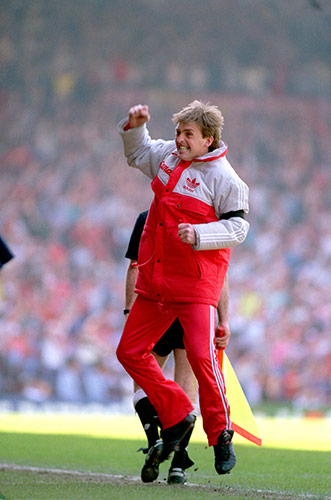
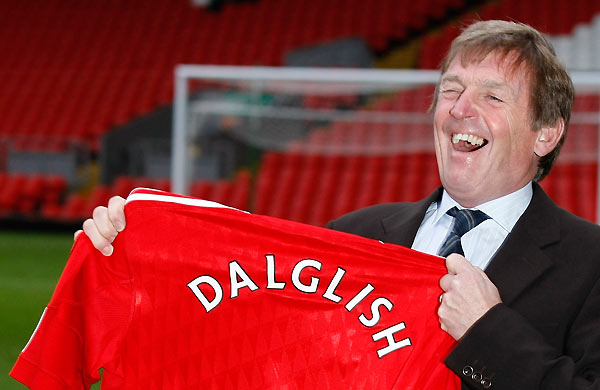
They say great players don't make great managers, but Kenny Dalglish disproved this theory. He assumed control as player/manager in the difficult period after Heysel and achieved the unthinkable: scoring the winning goal to seal a 16th title at Stamford Bridge before guiding the club to its only double by claiming the FA Cup against Everton. Dalglish rebuilt a side with star signings like Peter Beardsley and John Barnes lauded for its attacking intent and European-style possession play. A further two league titles and one FA Cup followed before the emotionally-damaging effects of the Hillsborough disaster, in which 96 Liverpool fans died in the FA Cup semi-final against Nottingham Forest in 1989, took their toll. Dalglish resigned in February 1991. Despite being overlooked for the job of succeeding Rafael Benítez, Dalglish is still considered King of the Kop by fans and remains the most recent manager to have won a league title
Photograph: Ross Kinnaird/Empics Sport
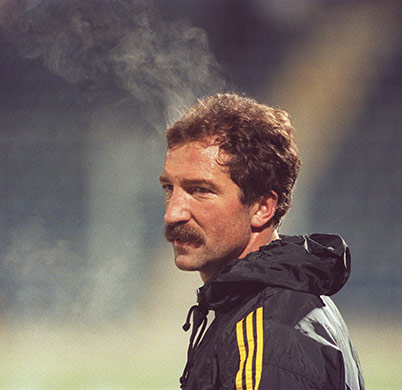
Another Scot, Graeme Souness was brought in after a successful spell as player/manager at Rangers. While some Liverpool supporters expressed concern that veering away from the bootroom tradition may be unwise, many expected the exceptionally talented and combative midfielder at Anfield during Bob Paisley's tenure, to continue the club's success. But after inheriting an ageing squad, Souness spent badly. Players such as Paul Stewart, Mark Walters and Nigel Clough never lived up to expectations – and barring an FA Cup win in 1992 – the club's fortunes plummeted, with two sixth-placed finishes and an FA Cup defeat to Bristol City sealing his fate. Souness also angered fans by choosing The Sun newspaper, widely reviled on Merseyside after its reporting of the Hillsborough disaster, to tell his story of his battle back to good health after heart surgery. He left the club in 1994 Photograph: Ross Kinnaird/Empics Sport
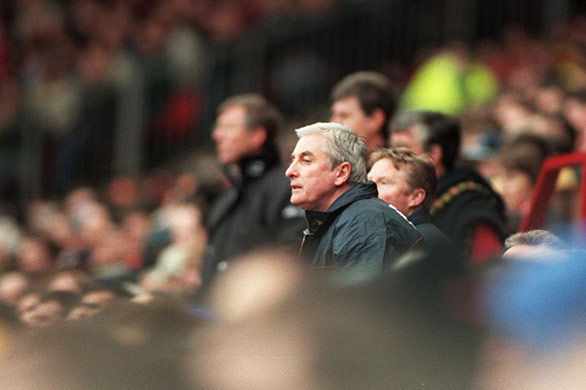
Born in nearby Bootle, Roy Evans inherited an unenviable job when he took over from Graeme Souness. But by nurturing some exceptional young players like Steve McManaman, Robbie Fowler and Jamie Redknapp, Evans won the League Cup in 1995 and got Liverpool playing a more attractive-style of football. The team, with the addition of the mercurial talent Stan Collymore in attack, challenged for the title in both 1996 and 97, but ultimately fell short. A lax approach to training and discipline at Anfield earned Evans's talented team the tag of 'Spice Boys.' A fourth-place finish in 98 prompted the board, always reluctant to sack managers, to bring in Gerard Houllier as joint manager … Photograph: Mike Egerton/Empics Sport
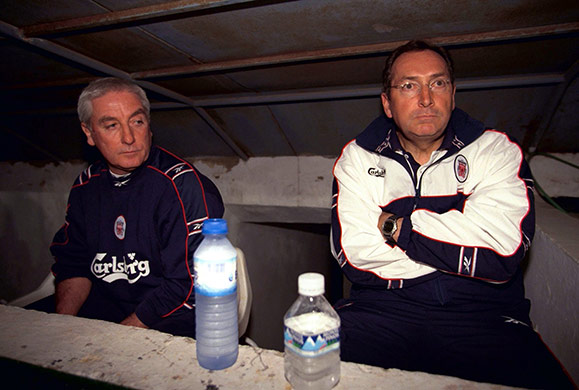
… a decision that was doomed. A run of poor results and rumours of disagreements about team selection led, inevitably, to Evans's departure in November 1998 only four months into the season Photograph: Action Images
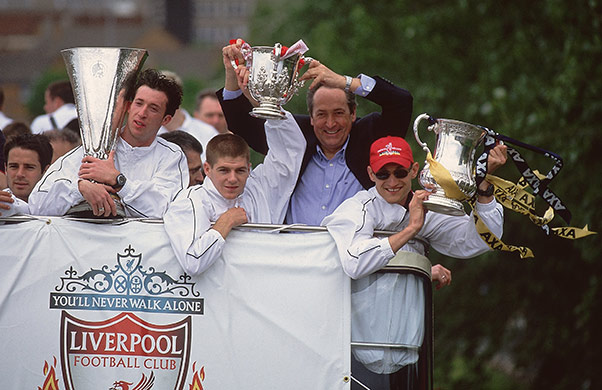
The Frenchman, who was credited with overhauling the youth development system in France which produced the World Cup-winning squad of 1998, immediately got to business in his first solo season at Anfield. Melding shrewd buys such as Sami Hyypia, Steve Finnan, Dietmar Hamann, Gary McAllister and Emile Heskey with homegrown talents like Steven Gerrard and Michael Owen led to an improvement in form and a treble trophy-winning season in 2001, when the club won the Uefa Cup, FA Cup, and League Cup as well as finishing third in the league. Expectations were understandably raised, but a dire crop of expensive buys including El Hadji Diouf, Bruno Cheyrou and Salif Diao did not take the club forwards, and after finishing fourth in 2004, the club and Houllier parted ways Photograph: Clive Brunskill/Getty Images
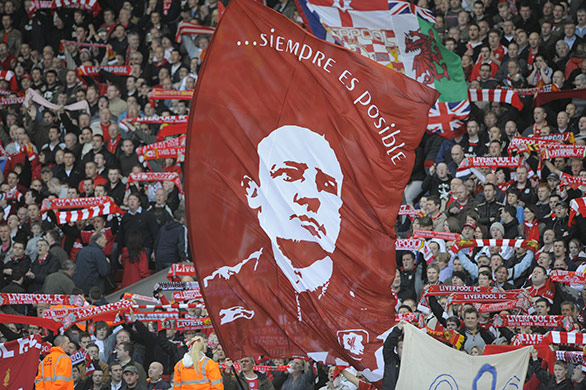
The Spaniard was brought in with high expectations of being the man able to end the long wait for a league title after twice guiding Valencia to La Liga titles. But it was to be in the Champions League where Benítez was most adept. Winning Liverpool's fifth European Cup in his first season earned him the status of deity. An FA Cup in 2006 was followed by a 2007 Champions League final appearance, in which the Reds were beaten by Milan. But the 2007 purchase of the club by Gillet and Hicks led to squabbling over transfer funds, & while Benítez spent money wisely on the likes of Fernando Torres, Xabi Alonso and Pepe Reina, he also squandered cash on players like Alberto Aquilani, Craig Bellamy and Jermaine Pennant. Constant top five League finishes and a title challenge in 2009 showed progress, before the sale of Xabi Alonso and boardroom unrest coincided with a seventh-placed finish last season and his departure 'by mutual consent'
Photograph: Tom Jenkins for the Guardian
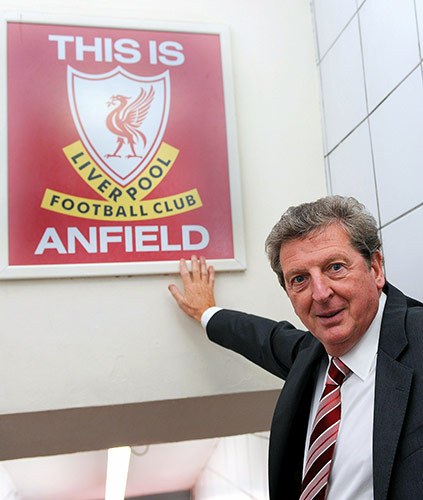
The 63-year old's career has spanned many continents, including spells at Blackburn Rovers and Fulham. He arrived at Anfield with the task of holding on to stellar names such as Fernando Torres and Steven Gerrard and the aim of reclaiming the club's top-four status. He lasted just six months before leaving Anfield by 'mutual consent'
Photograph: John Powell/Liverpool FC via Getty Images