Did you know if bees and other pollinators were to disappear, the cost to the UK economy could be up to £440m per year?
It's something The Bumblebee Conservation Trust is taking very seriously — the charity says efforts to conserve bumblebees are vital, not least because the creatures play an essential role in feeding people through the pollination of crops.
The charity's dedication to preventing the decline of the bumblebees is just one example of just how vital the work of wildlife charities is — and you don't have to look far to see more examples of the impact they have.
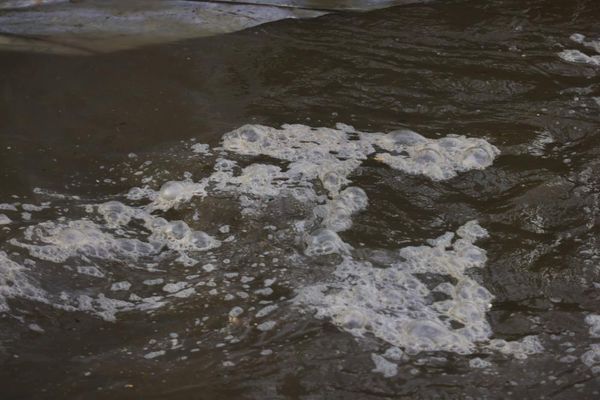
The RSPB is part of a new partnership tackling wildlife crime, Peta recently offered an £1,000 reward to catch a gull killer and further afield, wildlife conservation groups sprang into action after the BP oil spill.
Just as varied as the different types of work carried out by wildlife charities is the range of careers within them — you could find yourself working directly with the flora and fauna, fundraising or coordinating volunteers and publicising events.
To find out more about the opportunities available join our panel of experts in a live Q&A on October 5 at 1pm – the discussion is now open for advance questions.
Our panel:
Fran Humber is an experienced field researcher who coordinates conservation and research programmes for Blue Ventures Conservation, a UK-based NGO working with coastal communities in Madagascar, Malaysia and Belize. She has a special interest in endangered marine species, and runs a marine turtle and shark research and conservation programme in Madagascar.
Jill Grieve is head of communications for the Countryside Alliance. Jill is director of the Countryside Alliance Awards, an annual celebration of rural life and produce, and she is also chair of the board of trustees of Casting for Recovery UK & Ireland, a charity which provides fly fishing therapy for women who have, or have had, breast cancer.
Kelly Ventress is communications officer for NCVO Working For A Charity — an organisation which promotes careers and opportunities within the charity sector.
Sophie Adwick is a scientific officer in the wildlife department of The Royal Society for the Prevention of Cruelty to Animals (RSPCA), an animal welfare charity. Sophie has been involved in field conservation and welfare work throughout the world, including in Bermuda, Costa Rica, Sumatra and South Africa.
Ruth Greenberg is chief officer of the Partnership Council, a community charity in Nottingham which runs a range of environmental projects including urban wildlife projects. The charity helps local people and
volunteers to set up their own wildlife projects, by giving them advice, practical support and funding.
Susan Barker is assistant environmental community worker for the Partnership Council. Susan joined the charity via the Future Jobs Fund, in order to gain work experience and skills in the environmental sector. Her role includes working closely with local people and volunteers on a range of projects, including schemes aimed at wildlife conservation in urban areas.
Grace Yoxon is director of the International Otter Survival Fund. The charity cares for injured and orphaned otters throughout Britain, carries out research, campaigns and runs courses for people interested in otters as well as giving educational talks.
David White is information officer at RSPB Lakenheath Fen. The RSPB is a conservation charity which conserves wildlife and its habitat. David's role involves organising and running a busy events programme, managing a team of around thirty volunteers and giving talks about the RSPB in the local community.
Drew McVey and Nicola Round are joining us from environmental organisation WWF-UK. Drew is African species programme manager — his role involves managing conservation projects in Namibia, Kenya, Uganda, Rwanda and the Democratic Republic of the Congo, and supporting Africa-wide work with elephants and rhinos. Nicola Round is a campaign Manager — she coordinates the organisation's forests campaign.