Many journalists have gone on to enjoy high profile careers in industries outside of the media; Nick Clegg began his working life as a journo — and look where he is now!
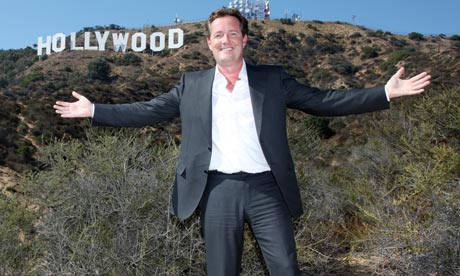
Another obvious one, regardless of how annoying it might be, is Piers Morgan, who jumped from headline writing to headline grabbing and became a media personality in his own right after bagging a judging job on Britain's Got Talent.
But, especially in the current climate, not all journalists are enjoying such prosperous times.
You're far more likely to see headlines about media outlets that are hemorrhaging jobs, rather than creating them — the Times and the Mirror (to name just two) have had to cut staff by their tens and hundreds respectively, and that's just this year.
As for those coming into the industry, we know they're struggling too; just a quick browse around our Graduate and Journalism forums proves that.
Potentially, the class of 2010 have it all to come too; BBC Radio Leeds presenter Andrew Edwards commented earlier this year that there are more journalism students coming into the media this summer than there are jobs in the entire British media industry.
So where are all these professionals going to go?
Now, we're not saying anyone should abandon their journalism careers or aspirations, but if you're considering your options and want more information about the other jobs open to those with journalism skills, experience or qualifications, we have assembled a panel of experts and ex-journalists to talk about their career changes, offer advice on how you can do the same and discuss whether there is life after journalism.
This discussion is now open for your questions and comments, so click here to get posting.
Our panel:
Sue Heseltine, head of the undergraduate journalism programme at Birmingham City University. Before moving into lecturing, Sue spent more than 20 years as a journalist working for regional newspapers, radio and TV — including Sheffield Star and Sky News.
David Altheer has been working as a freelance writer since taking voluntary redundancy from Fleet Street in 2007, after working in production journalism and acting for staff as a member of the National Union of Journalists. He also runs the hyperlocal independent news website, Loving Dalston.
Emma Hart is director of media training consultancy Hp Media and a media lecturer for Bocconi University. She also lectures at Brighton Media School.
Nicole Martin is head of media at Mandate Communications and was a journalist at The Daily Telegraph for 10 years before joining Mandate in 2009. Nicole helped to set up Mandate's media training offering, where she advises company spokespeople and clients on how to deal with tough broadcast and media interviews.
Mark Wilkinson works as a senior media officer for Westminster Council, having made the switch from newspapers to local government PR in March 2010. Before that, Mark was assistant news editor at The Times, news editor at thelondonpaper and assistant news editor at the London Evening Standard.
Gary Quinn is a media consultant for Manchester-based Tangerine PR Agency. Previously, Gary worked on the features desk at the Daily Mirror before he was promoted to assistant features editor and, following voluntary redundancy from a radio producer role for City Talk in Liverpool, he took the leap into PR.
Steve Harris, representing the NUJ Professional Training Committee. The NUJ looks after the interests of students in higher and further education as well as providing a range of short courses for journalists of all ages. He has worked as a journalist in print, radio and television and is currently Accreditations Secretary of the Broadcast Journalism Training Council.
Nic Paton is a freelance journalist and author of The Complete Career Makeover. He also works as a media skills trainer, both independently and through the Plymouth-based TwoFour Academy, running role-playing workshops for small and large businesses, covering print, radio, TV and the internet.