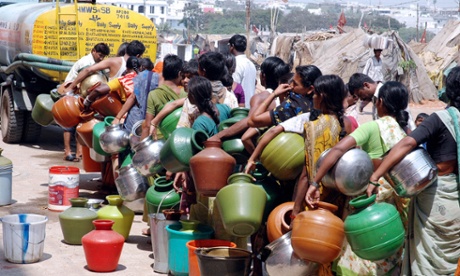
The world will face a 40% shortfall in freshwater by 2030, according to the UN’s 2015 World Water Development Report. If the estimation comes true, the consequences could be catastrophic. Food and energy production would suffer and people would be forced to move away from water-stressed areas. Conflicts could follow.
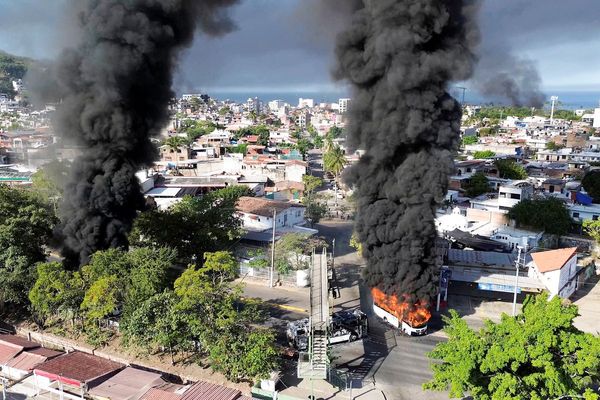
Huge swathes of the planet already experience water scarcity. There have been seven major droughts in the past decade, and at least eight major cities are running out of water. But the finger of blame is more often pointed at poor management, rather than a lack of rain or water sources. In Sao Paulo, it rains so much that drains overflow and flood the streets, yet south-eastern Brazil is experiencing its worst drought in 84 years.
Meanwhile, a 2010 report found that human activity has affected the world’s rivers so badly that the water security of almost 5 billion people is under threat.
By 2050, the world population will surpass nine billion people, and global water demand is projected to increase by 55%. So, are today’s systems capable of providing water for so many people? How can water be better managed? And how can we minimise water pollution?
Join an expert panel on Thursday 9 July, 3-5pm BST, to discuss these questions and more.
The live chat is not video or audio-enabled but will take place in the comments section (below). Get in touch via globaldevpros@theguardian.com or @GuardianGDP on Twitter to recommend someone for our expert panel. Follow the discussion using the hashtag #globaldevlive.
Panel
Carlos Hurtado Aguilar, manager - sustainable development of water resources, FEMSA Foundation, Monterrey, Mexico
Carlos has a background in public policy analysis and evaluation and has directed FEMSA Foundation’s water-related programmes since 2008
Sophie Trémolet, director, Trémolet Consulting, London, United Kingdom, @stremolet
Sophie is an economist and works on issues of financing, reforms and private sector participation in the water and sanitation sectors
Sean Furey, water and sanitation specialist, Skat, St Gallen, Switzerland, @thewatercyclist
Sean works in the Secretariat of the Rural Water Supply Network and on the knowledge broker teams for UPGro and Reach
Greenwell Matchaya, researcher and economist, International Water Management Institute, Pretoria, South Africa, @IWMI_
Greenwell leads projects that seek to advance the growth agenda in southern African countries through monitoring and evaluation
Betsy Otto, global director - water programme, World Resources Institute, Washington DC, US, @wriaqueduct
Betsy works to engage businesses, NGOs and governments for positive changes in managing water resources worldwide