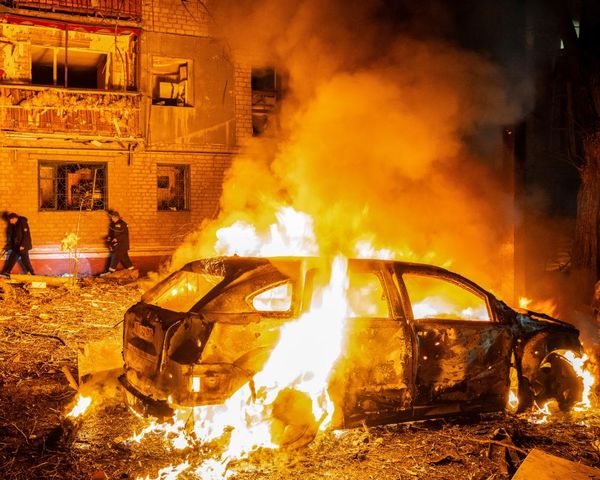
As the battle for Aleppo reached its brutal climax last December, the rest of the world was able to read and listen to the stories of civilians trapped in the battered city. The hashtag #Aleppo went viral on social media as residents provided a rolling commentary of the conflict, and to say their last goodbyes.
Technology has transformed how the rest of the world views and responds to crises. After the Haiti earthquake in 2010, NGOs and humanitarian agencies turned to crowd sourcing information to reach survivors: the mapping platform Ushahidi was used to map SMS requests for help. Since then, Google’s Person Finder has been used to help reconnect families after floods in Pakistan, the 2013 Japan earthquake, and more.
The current refugee crisis has even been defined by the digital age – BBC Media Action’s viral immersive film where your phone becomes a refugee’s phone showed just how vital these methods of communication are in connecting to families and sharing advice on migration routes. Food and water are no doubt a vital need, but so are phone charging facilities and mobile networks.
Technology has already transformed humanitarian action, so how can tech play a bigger role in the future? Are there ways technology can help with early warning of humanitarian disasters? And how can humanitarian organisations utilise the power of social media to reach those who need most help?
Join an expert panel on Thursday 19 January, 2-3.30pm GMT, to discuss these questions and more.
The live chat is not video or audio-enabled but will take place in the comments section (below). Want to recommend someone for the panel or ask a question in advance? Get in touch via globaldevpros@theguardian.com or @GuardianGDP on Twitter. Follow the discussion using the hashtag #globaldevlive.