Academics have never been under more pressure to engage with the public and show the impact of their work. But there’s a problem. The media, one of the key channels for communicating with people outside academia, has a reputation for skewing or clumsily confusing scientific reports.
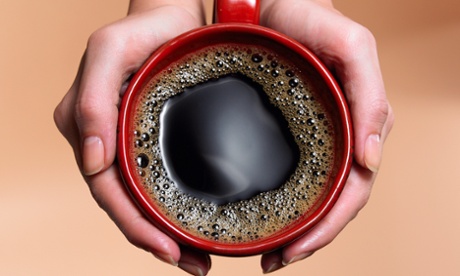
Research findings come with caveats, nuances and technical language – not the kind of stuff you find in the average newspaper headline. A recent Los Angeles Times article “Another reason to drink coffee: It’s good for your heart, study says” is a prime example. Writing for the Forbes website, medical journalist Larry Husten, pointed out that the headline mixes up association and causal effect. There’s an association between moderate coffee drinking and a lower risk of heart disease. We don’t know if coffee actually helps prevent heart attacks.
And, you don’t have to look far for more examples. When researchers at Cardiff University released a report about the brain chemical called GABA – which they had found to be associated with impulsivity in a group of adult men – they unwittingly prompted a media circus. “We made the novice mistake of issuing the press release about our research during the 2011 riots”, the researchers later wrote. Cue a flood of headlines claiming: “Brain chemical lack spurs rioting, say scientists” and “Nose spray to stop drunks and brawls”. The study didn’t mention riots or nasal sprays once.
But it’s not just journalists who are at fault – as the Cardiff researchers later found out. Their experience of misreporting prompted them to embark on a project investigating where such inaccuracies and exaggeration typically originate. They found that most inflation and distortion in media reports of biomedical and health-related science began in press releases produced by academics and their universities.
On Friday 17 April, we’ll be joined by a panel of researchers, science writers and press experts to discuss the difficulties that scientists face when presenting their research to the media. We’ll also be exploring some of the initiatives that have been set up to counter these problems.
Here’s what we plan to discuss:
- What difficulties do academics face when liaising with press teams?
- How can academics or press officers pre-empt common mistakes that might crop up in the reporting process?
- How important is it to give an interview, as well as produce a press release?
- Should universities bypass the media and communicate with the public directly?
Join us this Friday, 17 April, from 12-2pm BST in the comments section below. The discussion is open to all and we encourage you to post questions and share your views on science research in the media. To take part, create a Guardian comment account.
Panel:
Tom Sheldon is senior press officer at the Science Media Centre, an independent press office that was set up to provide accurate information about science and engineering through the media. @SMC_London
Helen Jamison is head of media at the Wellcome Trust. @wellcometrust
Suzi Gage is a post-doctoral researcher at Bristol University and award-winning blogger. She writes about epidemiology and public health. @soozaphone
Nadja Reissland is senior lecturer in the department of psychology at Durham University.
Join the higher education network for more comment, analysis and job opportunities, direct to your inbox. Follow us on Twitter @gdnhighered.