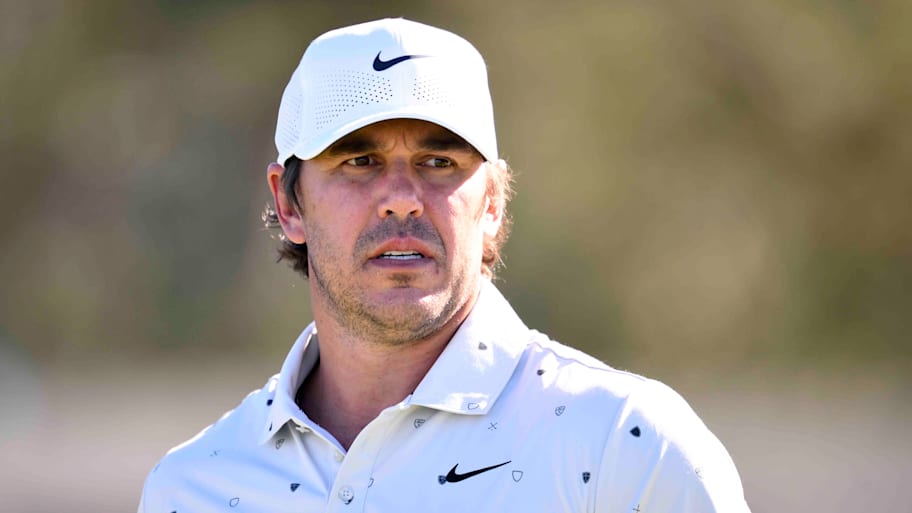
SAN DIEGO — Adam Scott had yet to get the memo. He was on the Torrey Pines North course Wednesday morning when the word came that Patrick Reed was leaving the LIV Golf League and will likely play on the PGA Tour later this year.
Scott, the popular Australian golfer who won the 2013 Masters and is a member of the PGA Tour Policy Board and PGA Tour Enterprises Board, might not have known all the particulars as he prepared for the Farmers Insurance Open. But he was well aware of the process to bring players such as Brooks Koepka and now Reed back.
“It’s hard having a crystal ball to look ahead and know how things play out in fairness to the Tour, they had a pathway back for guys, and Patrick might be the first,” Scott said after his pro-am round. “The first to get back through that. The other one [for Koepka and major champions dating to 2022] was created. The small group of people.
“Then I guess it possibly continues to happen, just with the way the LIV tour is structured. Contracts will end. So I feel good as part of the Tour that we had a policy in place that’s now getting used. Hopefully it worked well.”
How far back that policy goes is not known, but it clearly wasn’t hatched in recent days, even if Reed’s decision to leave LIV Golf came up quickly.
Scott suggested that the Tour long ago had a plan if and when LIV players wanted to leave and return to the Tour. In fact, that plan was likely in place as long as a year ago, when there was optimism that an upcoming deal between the PGA Tour and the Public Investment Fund of Saudi Arabia—which backs LIV Golf—would bring the sides together.
It was at Torrey Pines on Feb. 12 of last year—during the week of the relocated Genesis Invitational—that PGA Tour commissioner Jay Monahan spoke optimistically about a deal getting done, one that started with the infamous “framework agreement” that was announced on June 6, 2023.
The idea was for the PGA Tour, DP World Tour and LIV Golf to have an alliance. LIV Golf CEO Scott O’Neil last year suggested the PIF would “likely” making a “significant investment in PGA Tour Enterprises.”
Monahan described the situation as a “reunification of the game, which is what we have been and are focused on. Candidly, that’s what fans want. So when you talk about reunification, that’s all the best players in the world competing with each other and against each other.”
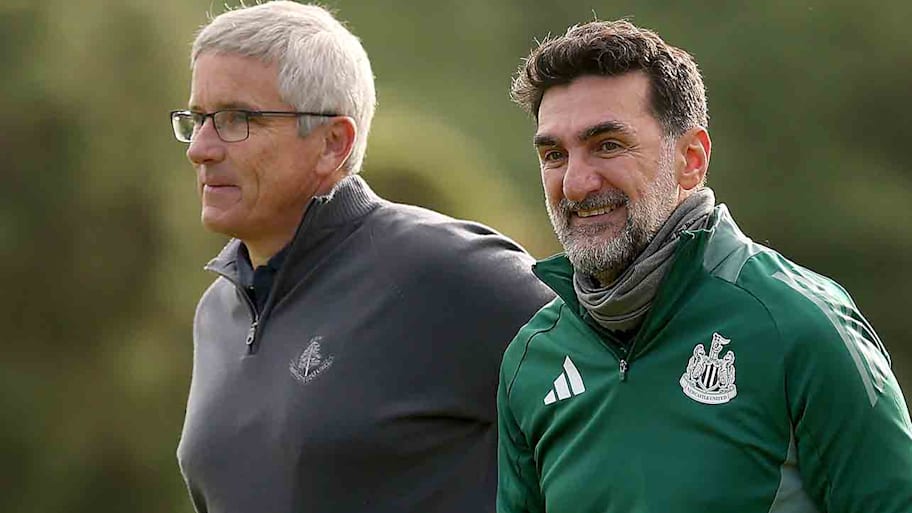
But something went awry. Talks at the White House that involved President Trump and Yasir Al-Rumayyan, the governor of the PIF, did not result in an agreement. And there’s been very little discussion since.
It’s been difficult from the outside to figure out what exactly went wrong. Scott, who was there, only speaks in generalities.
“It’s fairly intricate,” Scott said. “It was an intricate deal that was trying to be put together. The PGA Tour didn't want to compromise their product. They [LIV] probably didn’t want to compromise theirs, and had a clear vision for what they wanted.
“And I also think the time it took to get to that point, probably played a fact that people were making changes to their product. Could have been done, maybe, initially [if] they were less down a path, and now they were three years down a path. It’s harder to move and I think and that’s where it got to, and with respect to both parties, I think it was more of a well, there’s no point continuing on at the moment.
“Just purely from a playing side of things, to have the players feel like they’re on a level playing field and fair competition. The two systems don't marry.”
How the PGA Tour and LIV Golf negotiations fell apart
There’s a good bit to unpack there, and a good bit of speculation required to uncover the differences.
Among the issues were LIV Golf’s 14-event schedule and team competition. There is plenty of conjecture that the PGA Tour wanted LIV’s schedule reduced and that LIV was unwilling to budge. A team aspect was also a sticking point.
Throw in reported LIV losses that were estimated in the billions and the PGA Tour Enterprises’ need to earn a profit, and you’ve got plenty of obstacles beyond the competitive issues.
It’s fair to wonder if LIV Golf made a mistake in not pushing to finalize a deal. A decision on Official World Golf Ranking points looms which would obviously be a big help, regardless of Koepka and Reed’s departures. And the league continues to talk positively about its future, with new sponsorship deals recently announced.
But losing two major champions in Koepka and Reed is a blow. And even though Reed comes back to the PGA Tour with some baggage—his lawsuits undoubtedly are part of the reason he won’t return sooner—the sentiment seems to be that this is a good thing for the Tour.
“I have a lot of faith in [CEO] Brian Rolapp and the Tour, the board ... that they’re going to do the right thing,” said Keegan Bradley. “I think you have to capitalize on when great players want to come back ... Patrick played LIV and did what he wanted and I can’t get in the heads of the guys who are doing that.
“But I am certainly welcoming everyone back who wants to come back. I have no hard feelings, I have no issues with it.”
For Scott, it is what he believes is the natural progression of things.
“It seems like the golf fans [were] not getting what they want,” Scott said. “Which, my personal opinion, that’s a little bit harsh, but I understand what they’re saying, and hopefully, certainly with Brooks, you know, returning, Patrick might return soon.
“Brooks is an incredible player, and Patrick’s a major champion also, and a feisty competitor. Yeah. So, I think that’s good for the Tour and more guys in that one spot. So hopefully the fans appreciate that.”
More Golf from Sports Illustrated
- Patrick Reed Begins ‘New Chapter’ After Announcing Exit From LIV Golf
- Farmers Insurance Open Preview: Field, Course, History, Tee Times, How to Watch
- Patrick Reed is Leaving LIV Golf, Returning to PGA in 2027
- Three Other Former LIV Golf Members Hope to Follow Patrick Reed to PGA Tour
This article was originally published on www.si.com as LIV Golf Is Now Paying for Its Failure to Compromise With PGA Tour.