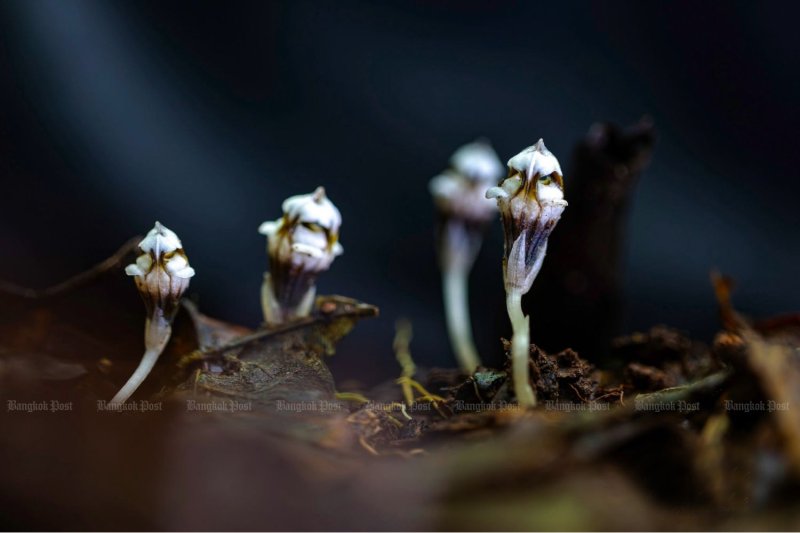
While Thailand's rainy season might turn some areas glum and gloomy, the flora in Phitsanulok beams with radiance as Phu Hin Rong Kla National Park is enlivened by rare “Devil’s Eye” plants and vibrant begonias.
According to local reporters this morning, the park is come into full bloom as the early rainy season has brought renewed life to the ecosystem.
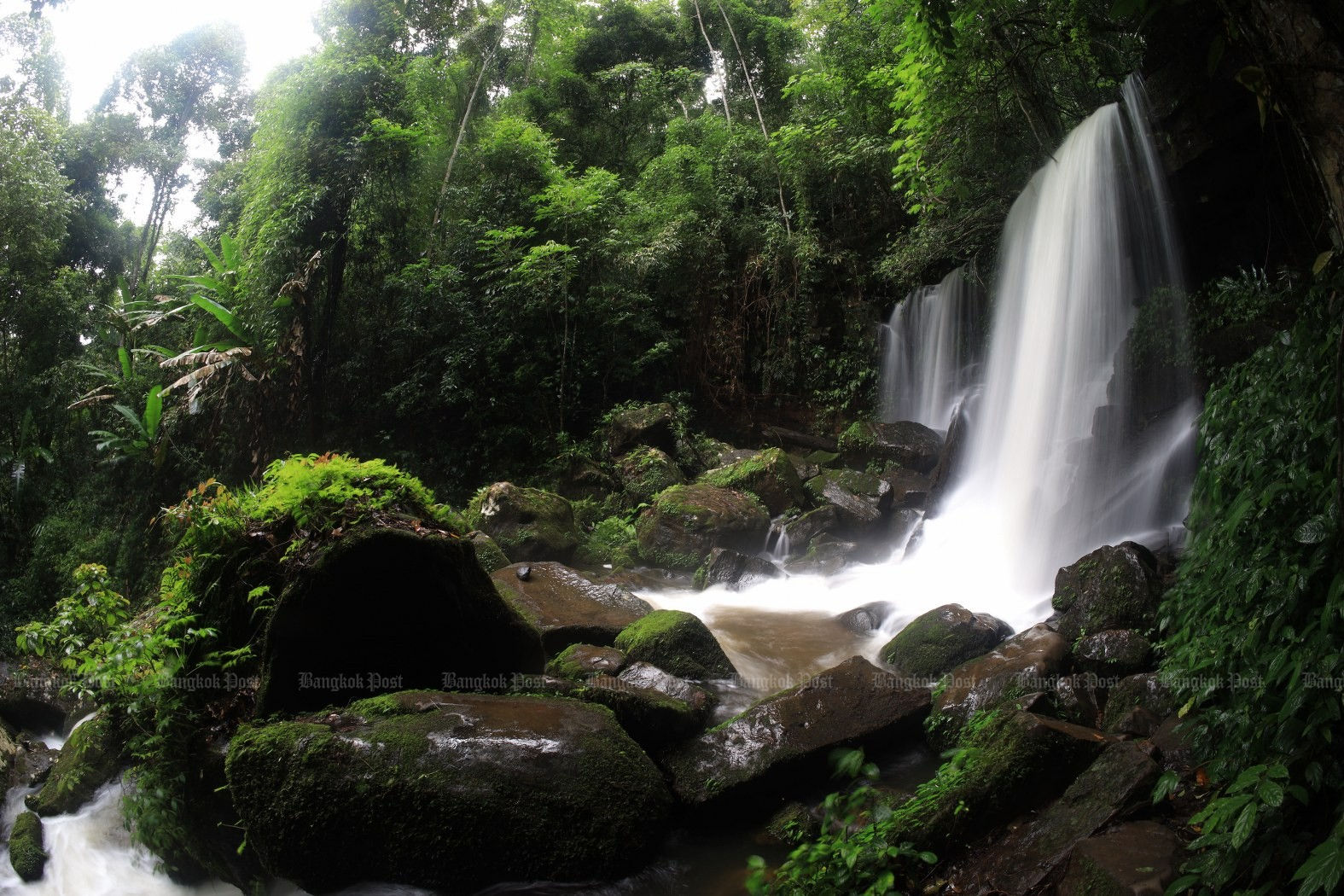
Wildflowers are blossoming throughout the park, including one of its most fascinating natural attractions, the “Devil’s Eye” plant or Thismia submucronata, which has emerged near Romklao Paradon Waterfall.
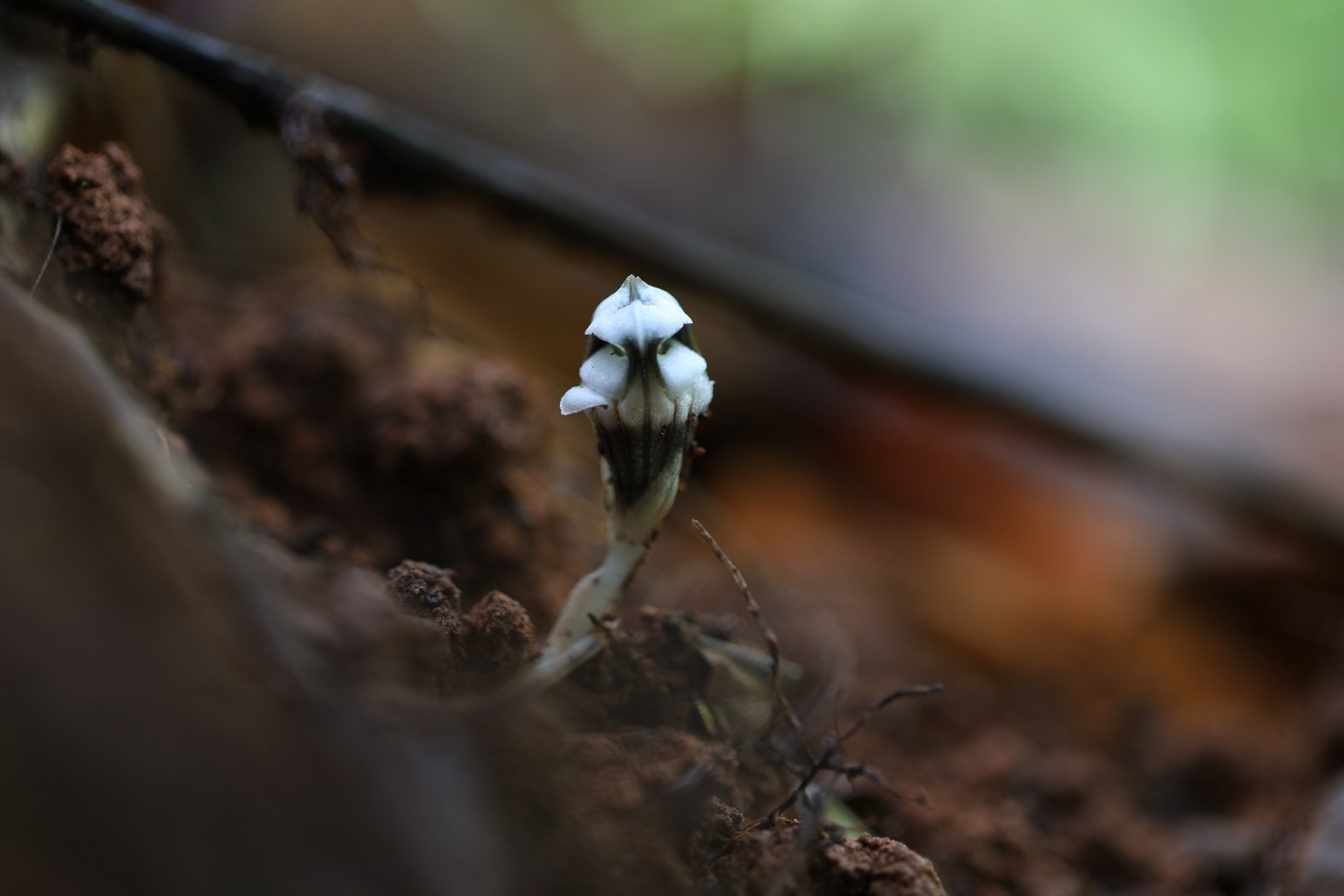
The tiny and unusual plant, which was first discovered in Thailand and was recently identified as a new species, is so small that many visitors may walk past it without noticing.
Unlike most plants, the Thismia submucronata cannot photosynthesize. Instead, it survives through a symbiotic relationship with fungi in the soil, making it a myco-heterotrophic species.
These types of blooms are typically found on forest floors covered with decaying leaves and branches, particularly in humid evergreen forests near waterfalls and streams at elevations between 1,200 and 1,300 metres above sea level.
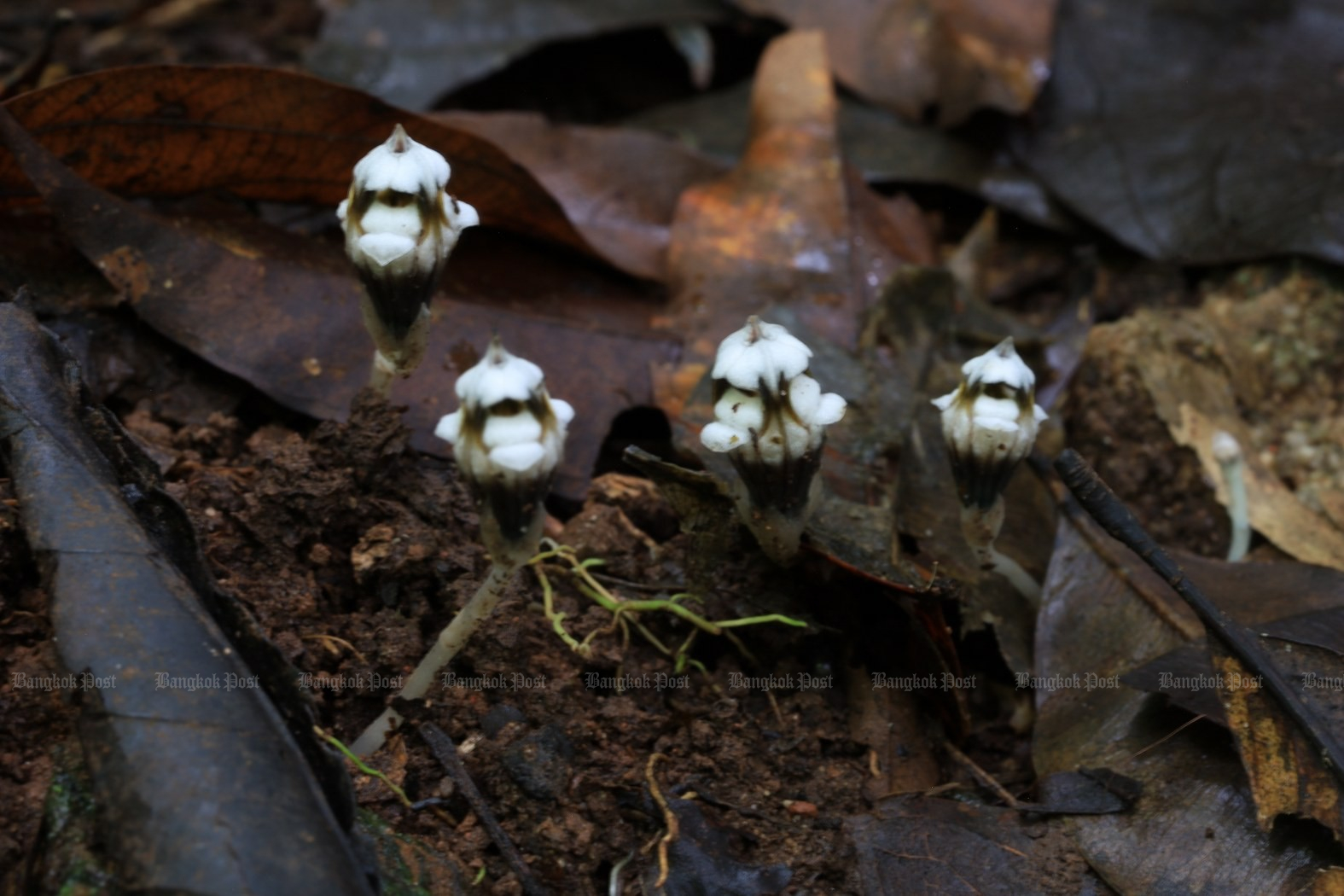
It has been noted that visitors have the best chance of spotting the rare plant between May and July.
With its mysterious appearance, unusual colouration and unique method of survival, the Devil’s Eye has become one of Thailand’s most sought-after floral rarities among botanists and nature enthusiasts.
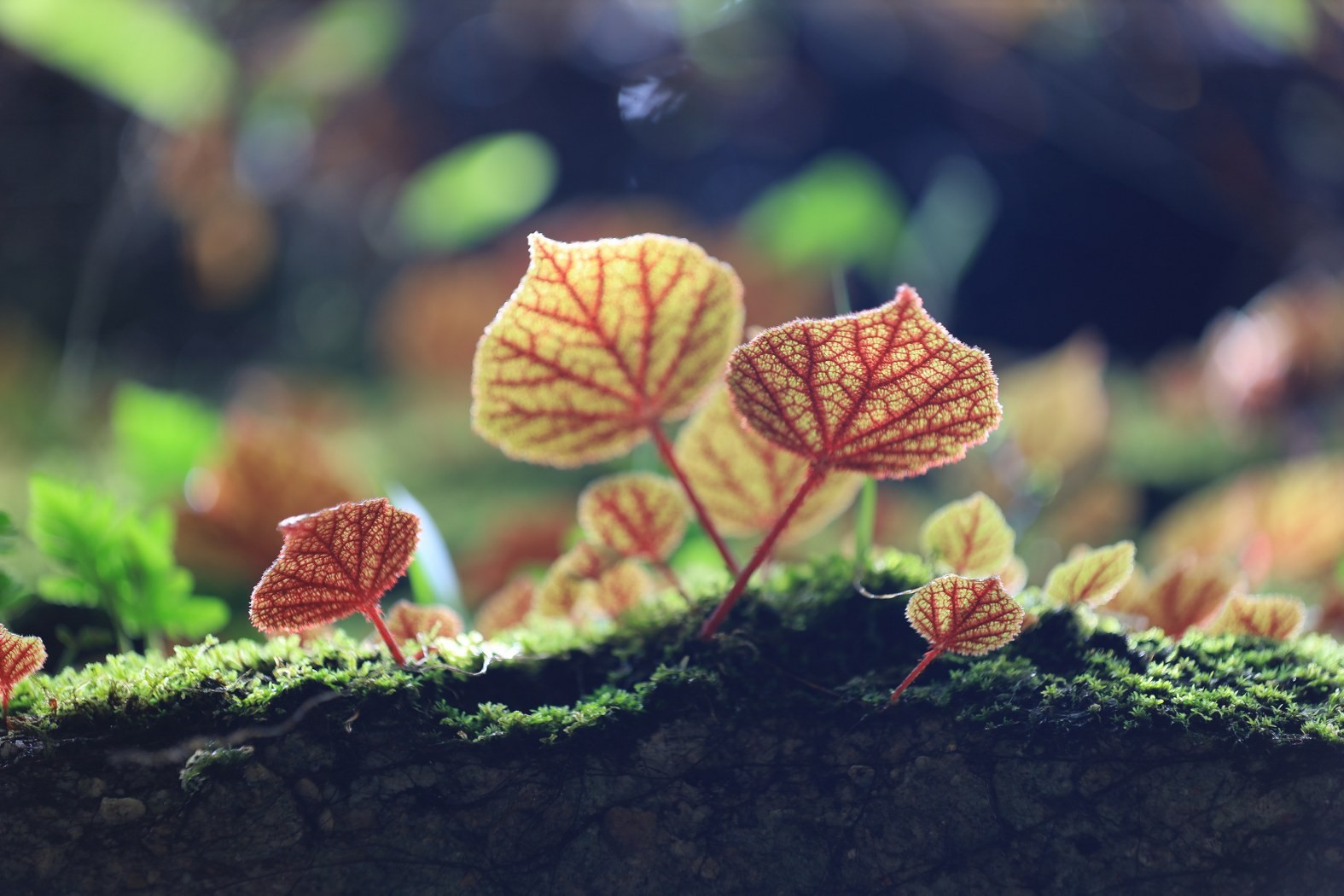
Adding to the park’s seasonal beauty, Begonias, known locally as “Som Kung,” have begun shedding their leaves around large rock formations near a former air-raid shelter in the park and the Man Daeng Unit.
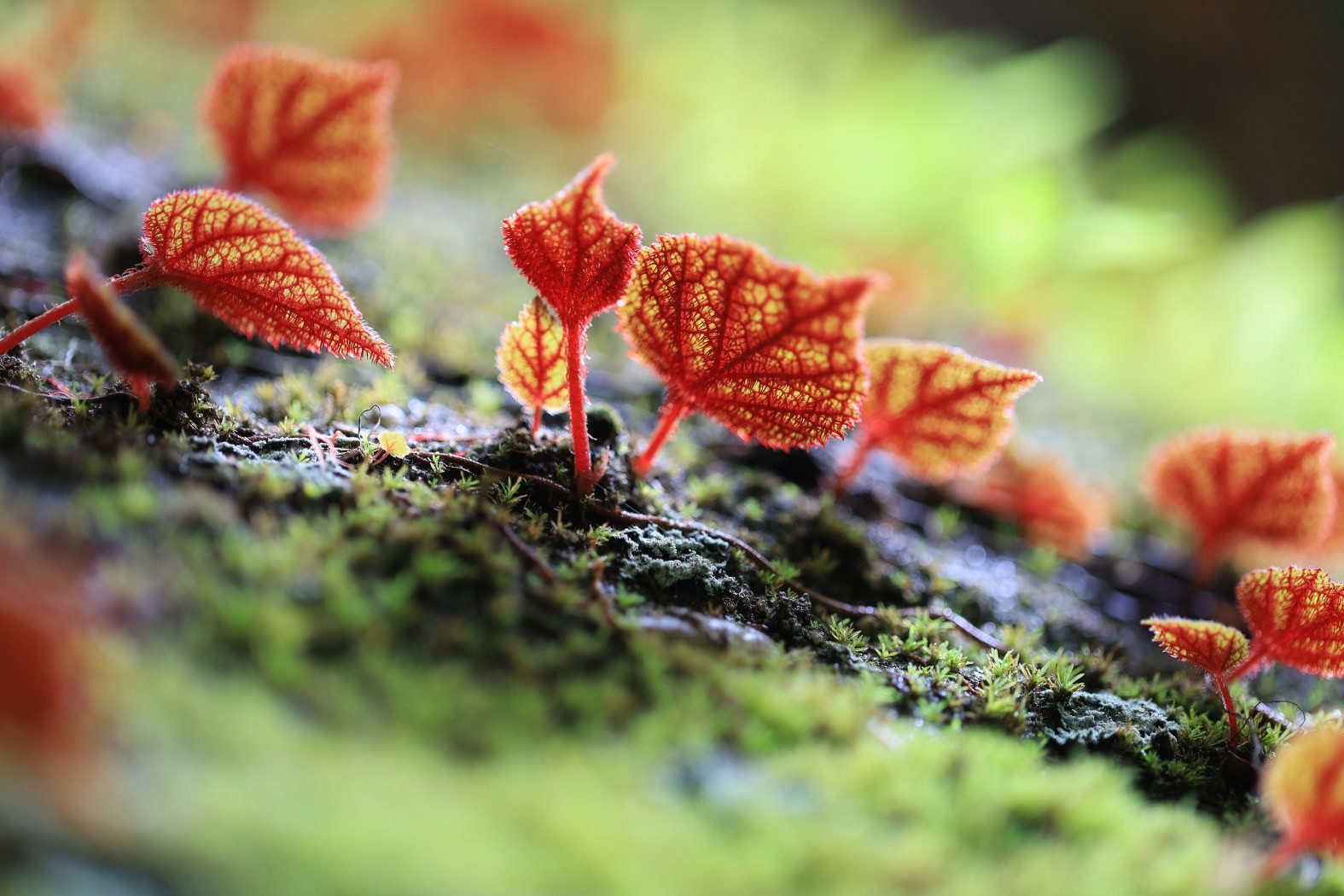
What makes this species visually unique to those who look closely is that when sunlight filters through the foliage, its leaves glow in shades of red and orange, creating a striking natural display.
Begonias are short-lived ornamental flowering plants that naturally grow on rocky outcrops. They are especially abundant along the Lan Hin Pum–Pha Chu Thong hiking trail, where they bloom from June to August each year and continue to attract visitors seeking their seasonal beauty.
Acting SLt Siraphop Pongphut noted that the atmosphere at Phu Hin Rong Kla during the rainy season is every bit as captivating as in winter. Situated at elevations of 1,300 to 1,400 metres, the mountain is often shrouded in clouds and mist, creating a magical environment for hikers.
Along the park’s popular three-kilometre Lan Hin Pum–Pha Chu Thong trail, visitors can experience pristine headwaters flowing across rocky terrain, admire seasonal wildflowers and walk through drifting clouds and fine mountain mist.
The route has earned the nickname “Heaven on Earth” from park officials for its breathtaking scenery.
Tourists are being encouraged to visit Phu Hin Rong Kla National Park throughout the year to experience the ever-changing beauty of one of Thailand’s most remarkable natural landscapes.