

Litter training a cat, how to litter train a kitten, cat litter box training, and training cats for litter use are questions almost every cat owner asks at some point. If you are feeling nervous about teaching your cat where to go, you are not alone. The truth is that most cats want to be clean and tidy. They just need you to show them the right place and make it feel safe and comfortable. Once you understand how your cat thinks, litter training becomes easier than you ever expected.
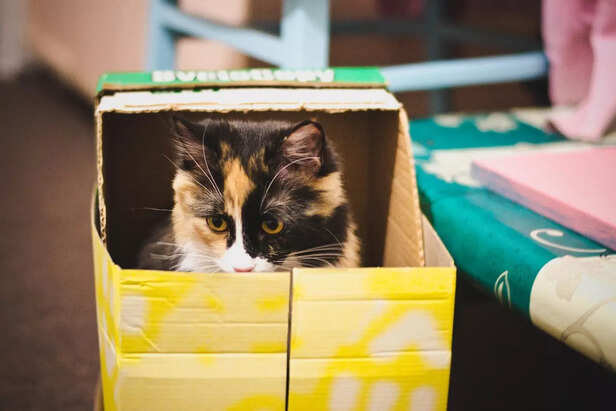
Why Cats Usually Learn Litter Training Quickly Cats are not trying to make life difficult. In nature, they instinctively bury their waste to hide their scent. This is why many cats start using a litter box with very little effort from their owners.
When accidents happen, it is rarely because the cat does not understand what to do. More often, something about the litter box feels wrong to them. It might be too dirty, too small, or placed in a noisy area. Fixing these small issues often solves the problem quickly.
Choosing a Litter Box Your Cat Actually Likes Not all litter boxes are cat friendly. Some are too small, while others feel uncomfortable to use. Your cat should be able to turn around easily inside the box without touching the sides.
Kittens need boxes with low edges so they can climb in without struggling. Older cats or larger breeds usually prefer bigger boxes. Covered litter boxes offer privacy, which some cats love, but others feel trapped inside them. If your cat avoids the box, try switching styles and see what makes them more comfortable.
If you have more than one cat, adding extra litter boxes can prevent stress and competition. A peaceful bathroom experience matters to cats more than we realize.
Picking the Right Litter Makes a Big Difference Many people choose litter based on what smells nice to them, but cats often prefer the opposite. Strong scents can be overwhelming and may cause your cat to avoid the box altogether.
Most cats feel safest using fine textured, unscented litter because it resembles natural soil. Clumping litter is convenient for cleaning, but very young kittens should use non clumping options to stay safe.
If you ever need to change the litter brand or type, do it slowly. Mixing the old and new litter over several days helps your cat adjust without confusion.
How to Litter Train a Cat Step by Step
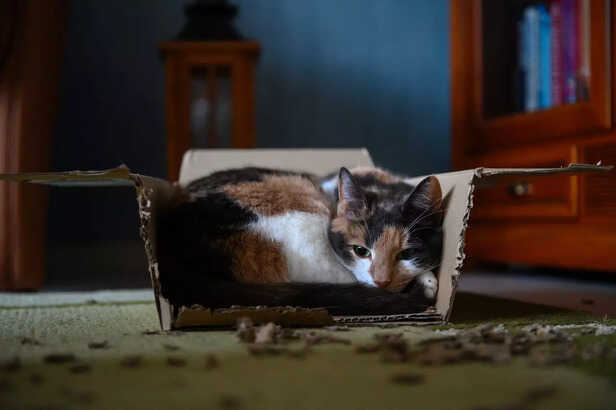
Start by gently introducing your cat to the litter box. Let them sniff and explore it on their own. There is no need to push or force them inside.
For kittens, placing them in the box after meals, naps, or playtime works well. These are moments when they naturally need to go. If your cat uses the box, speak softly and offer praise. Cats may not respond like dogs, but they do notice gentle encouragement.
If an accident happens, stay calm. Clean the area thoroughly to remove any smell and quietly guide your cat back to the litter box later. Punishment can create fear and slow down the training process.
When Litter Training Problems Happen
Sometimes a cat suddenly stops using the litter box. This can be frustrating, but it is often your cat’s way of saying something is wrong.
A dirty box is a common reason. Scooping daily and changing litter regularly makes a huge difference. Stress from changes like moving, new pets, or visitors can also cause accidents.
If your cat continues to avoid the box, a visit to the veterinarian is important. Health issues like urinary infections can affect litter habits and should never be ignored.
Litter training a cat does not have to be stressful. In most cases, your cat already knows what to do and just needs the right environment to feel safe. With patience, understanding, and a little trial and error, litter training becomes a natural part of everyday life. When your cat feels comfortable and respected, they will reward you with clean habits and a happier home.
Discover expert advice and the latest tips on pet care, training, health, and more. Stay updated with all things pets at Times Pets!
Frequently Asked Questions [FAQs]
-
How long does it take to litter train a cat?
Most cats learn to use the litter box within a few days. Kittens may take a week or two as they adjust, while adult cats can learn quickly once they feel safe and comfortable in their new environment.
-
Can older cats be litter trained easily?
Yes, adult and even senior cats can be litter trained. They may need a little more patience and consistency, but with the right litter box setup and calm guidance, most adult cats adapt well.
-
What should I do if my cat refuses to use the litter box?
First, check if the litter box is clean, quiet, and easy to access. Try changing the litter type or box style. If the problem continues, consult a veterinarian to rule out health issues.
-
What type of litter is best for litter training?
Most cats prefer fine textured, unscented litter because it feels natural under their paws. Avoid strong fragrances, as they can discourage cats from using the litter box.