What were the dumbest things to do with your money in 2014? Even legendary investor Warren Buffett admitted this year that he made a “huge mistake” buying shares in Tesco. Here are some other huge mistakes you could have made during the year if you listened to the, ahem, “experts”.
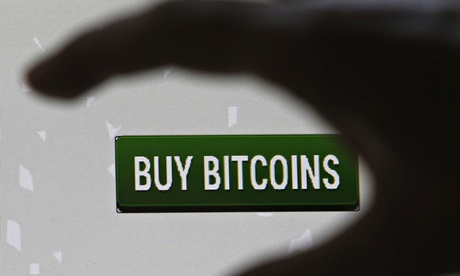
• RIP Bitcoin “Why use bitcoin?” says one of its biggest promoters, a site called CoinDesk. “Here are 10 good reasons why it’s worth taking the time to get involved in this virtual currency,” it goes on, enthusiastically listing its virtues. But here’s one very good reason not to. If you bought a bitcoin on 6 January this year it would have cost $951. Just under a year later, it is worth $311. During the year, one bitcoin exchange lost 850,000 coins, then found another 200,000 of the makey-uppy cryptocurrency in an “online wallet” a few months later. A tax ruling by the US Internal Revenue Service was a death blow from which it’s unlikely to recover. Even the Russian rouble has been better to hold. It will stagger on in cyberspace for a short while yet, but its online obituary can’t now be far off.
• Gold “is currently extremely out of favour”, wrote Peter Krauth of the ambitiously-named Market Oracle website in October last year, confidently predicting it would rise to $2,500 an ounce before the end of 2014. He told his followers that it represented “the biggest sustained moneymaking opportunity of your lifetime” (if you just followed his advice). So where is it today? Almost precisely half that, $1,210, and roughly where it started the year.
Still, it wasn’t as wide of the mark as Charteris Treasury Portfolio Managers, whose chairman Ian Williams told Money Observer that gold would hit $3,500 during 2014. If you want a good laugh, click on the article and see how spectacularly wrong most of the experts were. Or weep at just how much they somehow earn, and you don’t.
• Oil A Reuters survey of more fantastically well-paid city analysts in November 2013 concluded that the oil price would hover around $104 a barrel in 2014, slipping to around $102 in 2015. In the event, it has fallen to $61 – not that I imagine it will affect their year-end bonuses much. The analysts seemed to acknowledge that supply would rise (US shale oil production going gang-busters) and demand fall (global economic weakness), but didn’t translate that into falling prices. For what it’s worth, they are predicting the price will bounce back to $82.50 in 2015.
Not that I pretend to know any better. In one of those “what was I thinking” moments of madness two years ago, I decided to take a small punt on some oil exploration shares. They did rather well at first, but have gone south ever since. Each time they have fallen further, I’ve made the error of thinking that if I hold on, they’ll bounce back. (The psychologists say you get “emotionally attached” to your investment. That might be so, but I think I was just being stupid). Lots of small investors in Tesco this year have done the same, some buying more each time the share has fallen further. My lesson? Bad news is often followed by even worse news, and it’s better to get out at the first warning, as another profit warning is probably coming along soon. Or as the old stock market adage goes: “Don’t try catching a falling knife.”
• Footballer IPOs Perhaps the dumbest new instrument. The idea is that you can invest in a share of the future earnings of a professional sportsman or woman. First off was Vernon Davis, who plays for the San Francisco 49ers. His stock was priced at $12.50, but within months it has fallen to $6.80. One US football blogger this week described his 2014 performance as “creaky, discarded and seemingly obsolete”. A clue to how insanely risky such an idea perhaps was came in the decision to drop Houston Texans running back Arian Foster as the first athlete to do an IPO after injuries cut short his 2013 season.