Ron Prince spent six years at the University of Virginia as an assistant coach, had two children born in Charlottesville, Va., and still considers the city "like home."
When he saw rallies and protests and bloodshed engulf the usually serene college town last weekend, the Detroit Lions' assistant head coach and offensive line coach was, like many, dismayed by the sight.
"I don't think it's a reflection on Charlottesville," Prince told the Free Press on Wednesday. "I think it's a reflection of this question of race and religion, culture and all these other things that human beings have been grappling with since the beginning of time."
Lately more than ever, those issues have extended across the sports world and put athletes, once reluctant to speak publicly about such topics for fear of angering their employers, sponsors or both, at the center of calls for social reform.
NBA All-Star LeBron James made a plea at a charity event Tuesday for people to affect change, and took aim at who he referred to as "the so-called President of the United States," Donald Trump, in the process.
Seattle Seahawks defensive lineman Michael Bennett said he won't stand for the national anthem at games this fall because of the lack of equality and freedom in this country.
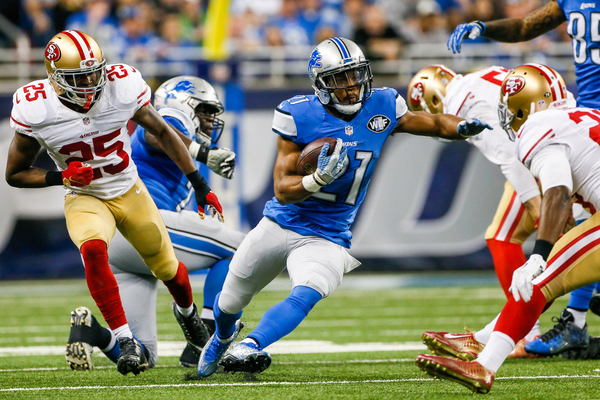
And after practice Wednesday, Lions running back Ameer Abdullah said he was shaken by the events in Charlottesville as well.
One person died and 34 more were injured in violent clashes around a white supremacist rally in the city. Two police officers also perished in a helicopter accident.
"Definitely it's tough," Abdullah said. "What's most disheartening is people still try to make excuses for certain behaviors, which is _ especially people at positions of influence as well are still making excuses for specifically what happened in Virginia. So for me, that's the most disheartening thing. We know what the issue is. It's been laid out for us and just need more people on board that won't make excuses but will make change."
Asked if he was talking about Trump when he said "people at positions of influence," Abdullah said, "Him and his followers."
"I don't know where this preconceived notion that athletes can't have a voice came from, but it's there now," Abdullah said. "Having guys like LeBron definitely to come out and say something, he's been very vocal about a lot of what's going on in society. It helps someone like myself come out and become more comfortable with voicing, not necessarily my opinions but what's right and what's wrong."
Lions coach Jim Caldwell said after practice Wednesday that he's taken his grandchildren on educational trips to different parts of the country the last few summers.
This year, Caldwell said they went to the Civil Rights Museum in Atlanta, where one exhibit allowed his grandchildren to experience what it was like to sit at a lunch counter during sit-ins in the 1960s.
"For us, growing up in the '60s obviously those things were part of our daily life in terms of what we witnessed on television, etc.," Caldwell said. "And so, I said, you know what, it's probably good for him just to get a sense of it, not realizing that within his lifetime he's going to see some of the same things on television again. And that's disappointing."
Caldwell said he's talked to his players about their right to protest, and also their ability to impact society through their charitable works.
"I think the world can take a lot from what we do in sports," Caldwell said. "It's a highly diverse community. Guys get along. They're from all walks of life. But there's no place in this game for bigotry and hatred. And I think that's same way as society, but it's there. And it's something that I think we all have to speak out against and not tolerate."
Abdullah said he's comfortable speaking out on hot-button topics about race and equality, even though he understands the "stick-to-sports" crowd.
"Even the people that say they don't (want to hear from athletes), they really do just so they can kind of get an idea if they're going to root for a guy," Abdullah said. "Not everyone's going to root for you. That's something that my dad voiced to me when I was really young. Not everyone's going to like you, and definitely if someone doesn't like me about what my stance is on the situation, especially when it comes down to racial issues, then I don't really want that guy rooting for me anyway."