Most managers will be familiar with this scenario. One of your team members is falling behind. Deadlines are being missed. Quality is suffering. You tell yourself it's a rough patch, you give it another week, and then another. Months pass before you know it, and nothing has changed.
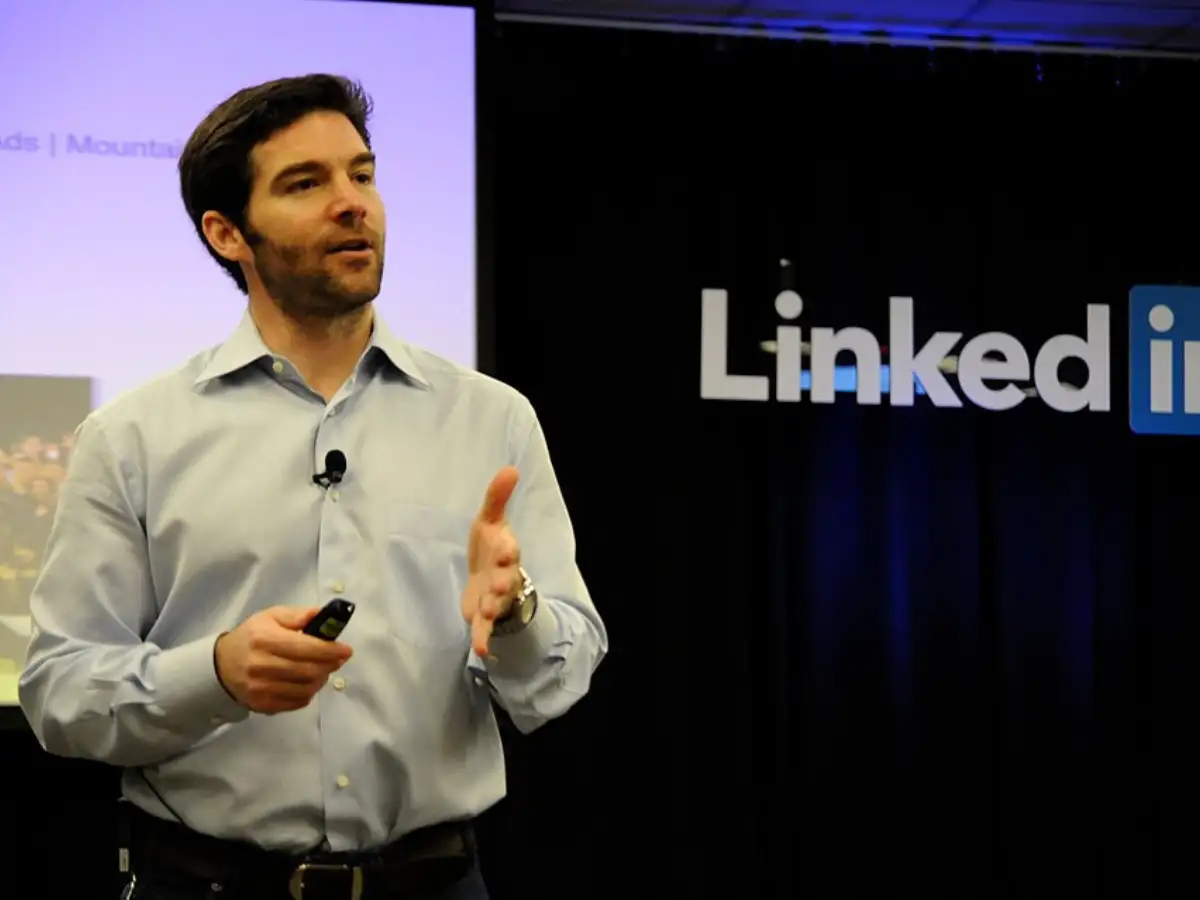
This is one of the most common and expensive mistakes a manager can make, and LinkedIn CEO Jeff Weiner has spoken out about it.
The pitcher who won't come out
Weiner has a sports analogy he always comes back to. Think of a baseball pitcher who’s wearing out his arm. The manager came out to see to him. “I’m good,” says the pitcher. The manager turns and walks to the dugout. Then the pitcher gives up a home run, and the team loses.
Weiner's point is simple: it's not the pitcher's call to make. It’s the manager’s. In almost two decades of managing people, Weiner says not one single employee has ever come to him, and they weren’t up to the job.
“You don't ask that question of superstars,” he said, speaking of the point where a manager starts wondering if somebody can really do their job. The very fact that you are asking tells you the answer.
Why managers look the other way
Weiner admits he himself is guilty of it, too: stalling, hoping things will turn around on their own. The reasons are understandable, understandably. You fear disrupting the team chemistry, you’re scrambling for a replacement, or you just dread the awkward conversation.
It seems this pattern is really common in American workplaces. According to a study by the professional coaching platform Bravely, up to 7 in 10 US employees would prefer to stay silent on an important work issue rather than address it directly. Managers are just as likely to avoid difficult conversations as the junior employees who report to them are. The research also found that avoidance leads to lower engagement, reduced productivity, and higher staff turnover.
The price of silence adds up fast.