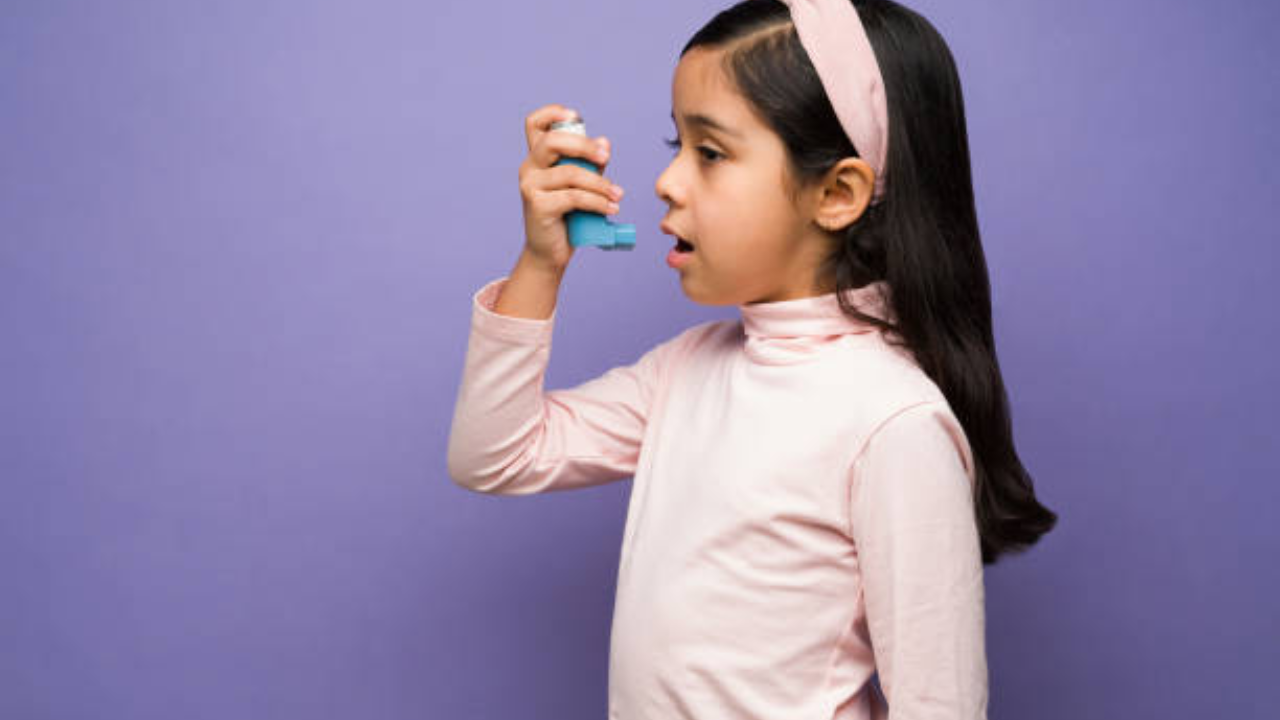
Sinusitis and asthma are two common conditions that often affect children. Sinusitis is an inflammation or infection of the sinuses, while asthma is a chronic lung condition that inflames and narrows the bronchial tubes. These two conditions can sometimes be interconnected, making management more challenging but crucial for the child's overall health and well-being.
The relationship between Sinusitis and Asthma
Children with asthma are more likely to develop sinusitis, and vice versa. This is because both conditions involve inflammation of the airways. When a child has sinusitis, the inflamed sinuses can cause post nasal drip, where mucus drains down the back of the throat. This can irritate the airways and trigger asthma symptoms, such as coughing, wheezing, and shortness of breath.
Conversely, poorly controlled asthma can lead to chronic sinusitis. Inflammation in the lungs can extend to the sinuses, creating a cycle where each condition worsens the other. This interrelationship means that managing one condition effectively can often help control the other.
Tips for managing sinusitis and asthma together
Accurate diagnosis: Ensure your child receives a proper diagnosis. Consult a pediatrician or an allergist to identify whether your child has sinusitis, asthma, or both. Accurate diagnosis is essential for effective treatment.
Follow prescribed treatments: Adherence to prescribed treatments is critical. For sinusitis, this might include antibiotics if a bacterial infection is present, nasal corticosteroids to reduce inflammation, and saline nasal sprays to keep the nasal passages moist. For asthma, one can use inhalers such as bronchodilators for quick relief and corticosteroids to control inflammation over the long term.
Maintain good indoor air quality: Keep the air inside your home clean and free of irritants. Use air purifiers to reduce allergens, avoid smoking indoors, and ensure good ventilation. Regular cleaning can also help minimize dust mites and pet dander.
Hydration and humidity: Keep your child well-hydrated to thin mucus secretions. Using a humidifier in their bedroom can also help maintain an optimal humidity level, easing both sinus and asthma symptoms. However, ensure the humidifier is clean to prevent mold growth, which can worsen asthma.
Monitor symptoms: Keep a diary of your child's symptoms. Note any patterns or triggers that seem to worsen their condition, such as changes in weather, exposure to allergens, or respiratory infections.
Healthy lifestyle choices: Encourage a healthy diet and regular exercise, which can boost your child's immune system and overall health. However, ensure that exercise is done in a way that does not trigger asthma attacks, perhaps by using pre-exercise inhalers if prescribed.
Regular medical check-ups: Schedule regular check-ups with your child's healthcare provider. Ongoing monitoring ensures that both conditions are being managed effectively and allows for timely adjustments to treatment plans.
Managing sinusitis and asthma in children requires a comprehensive and coordinated approach. By understanding the connection between these two conditions and following these practical tips, you can help your child lead a healthier, more comfortable life. Remember, effective management is a team effort involving you, your child, and your healthcare provider working together.