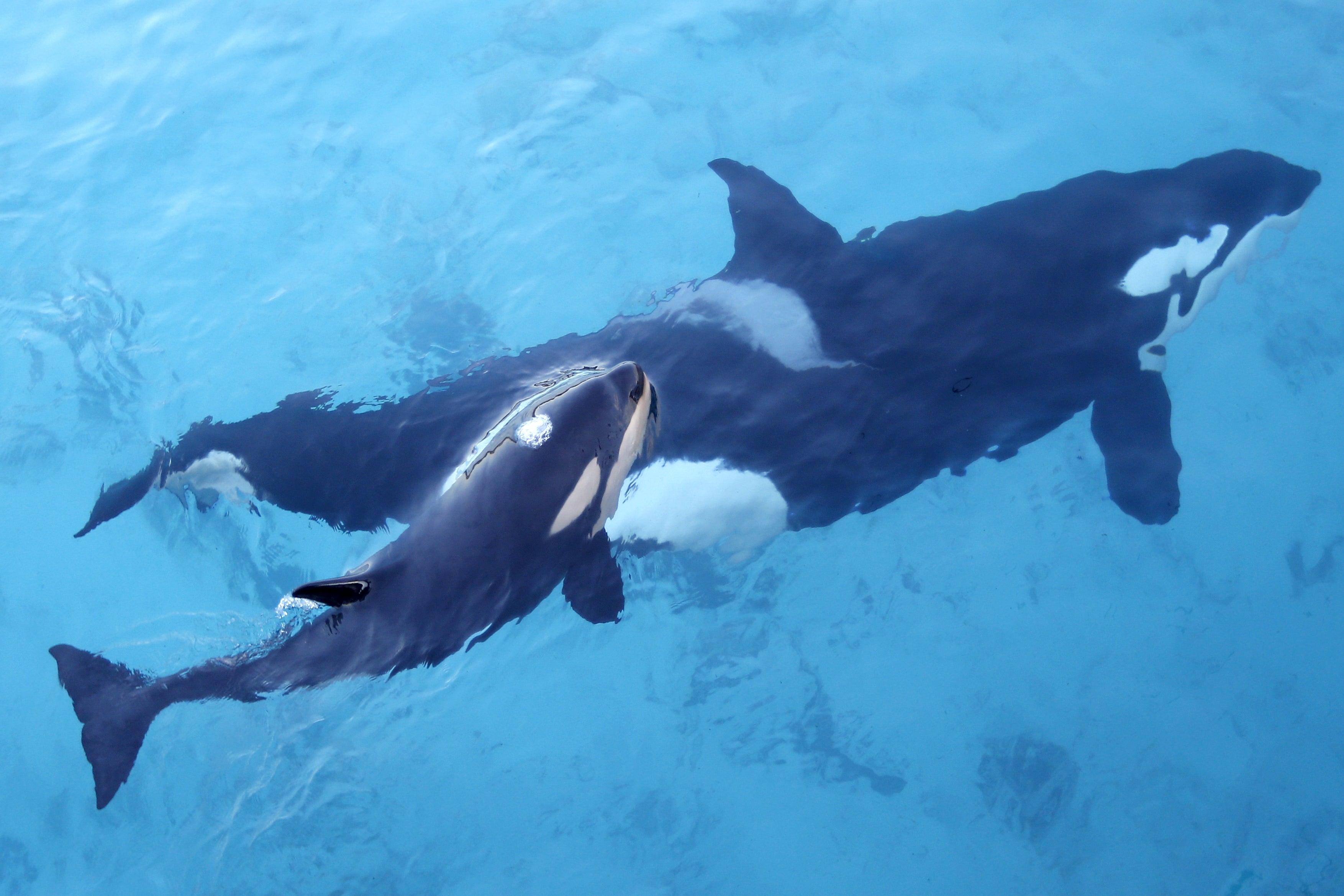
Killer whales have been “attacking” sailing boats off the coasts of Spain and Portugal, in encounters one mariner said felt “totally orchestrated” and another described as “like a sledgehammer”.
Scientists have been left perplexed by a growing number of incidents since late July in which a pod of orcas have repeatedly rammed into vessels in the region.
Several boats have been severely damaged in the confrontations, which left one crew member with minor injuries and several others with severely frayed nerves.
While researchers say it is normal for the highly intelligent mammals to follow small boats, it is extremely unusual for them to display such aggressive behaviour.
The most recent assault came on Friday, on Spain’s northern coast near A Coruna.

Halcyon Yachts were reportedly sailing a 36-foot vessel back to the UK when an orca rammed into it 15 times. The boat lost its steering and needed to be towed back to harbour.
It follows two separate attacks on ships 70 miles south, near Vigo, two weeks earlier. One ship radioed the coastguard to say it was “under attack”, while the other lost part of its rudder.
The first notably aggressive encounters came in late July, when a 46-foot delivery boat was met with nine orcas who left teeth marks on the hull they rammed for more than an hour, spinning the boat 180 degrees and disabling the engine and rudder, leaving the four-person crew adrift in the Gibraltar Straits shipping lane.
“The noise was really scary. They were ramming the keel, there was this horrible echo, I thought they could capsize the boat," Victoria Morris, a 23-year-old who was crewing the boat, told The Guardian.
"And this deafening noise as they communicated, whistling to each other. It was so loud that we had to shout.” It felt “totally orchestrated”, the biology graduate added.
A day earlier, Nick Giles was sailing a 34-foot Moody yacht when he heard a bang “like a sledgehammer” and saw his wheel “turning with incredible force” as the vessel pivoted 180 degrees.
He felt the boat lift and was pushed around without steering for 15 minutes, he told the paper.
“These are very strange events,” Ezequiel Andréu Cazalla, a cetacean researcher, told The Guardian. “But I don’t think they’re attacks.”
With orca populations facing various human-led existential threats, the early scientific consensus appears to be that the behaviour is related to stress.
The Gibraltar orcas are endangered, with only 50 believed to be left. But as food grows ever scarcer, the mammals are drawn to the strait - described by Ms Cazalla as “the worst place for orcas to live” - by the dwindling wealth of blue-fin tuna.
But the costs of more fertile hunting grounds are severe, with orcas facing often deadly competition from human fishing practices.
“They’re very intelligent. They know people are out there: I’ve seen them look at boats hauling fish. I think they know that humans are somehow related to the scarcity of food," Ken Balcomb from the Centre for Whale Research was quoted as telling The Atlantic in 2018.
"And I think they know that the scarcity of food is causing them physical distress, and also causing them to lose babies.”
But The Guardian reported that Jörn Selling, a marine biologist with Firmm whale watching and research foundation, considered another theory - that, after months of reduced noise in the ocean during the coronavirus pandemic, “something most of them probably never experienced before”, the orcas could have been angered by the resumption of business-as-usual.