Life on the edge: pregnancy and motherhood in Sierra Leone
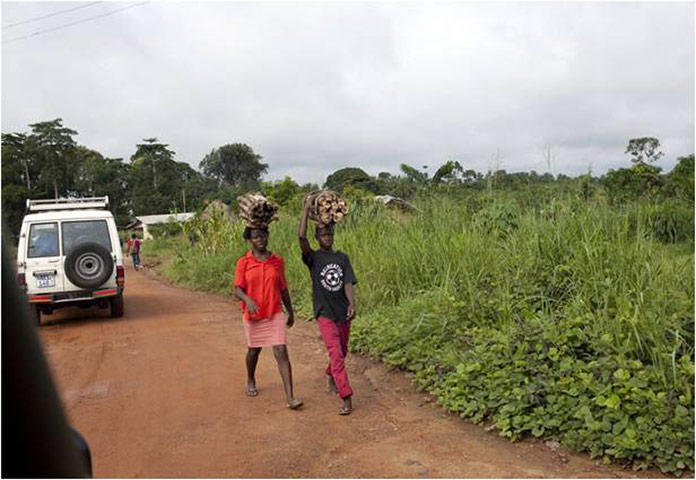
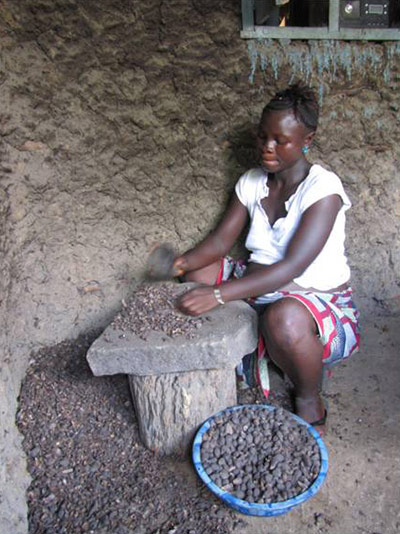
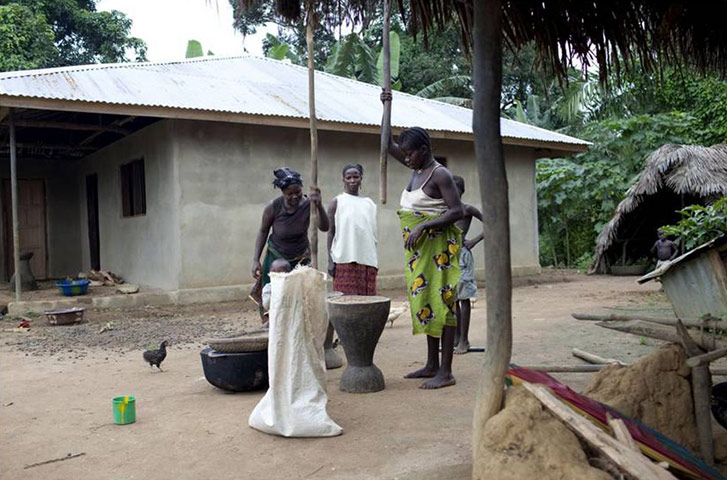
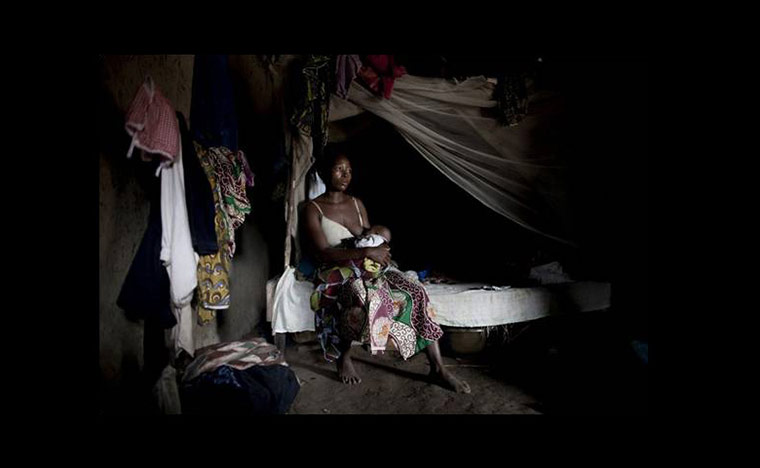
Mamie and Sulaiman Saidu. Mamie was due to deliver any day when this was taken in April this year. Most people in Sierra Leone are subsistence farmers and go to their fields each day to farm rice or cassava, and during the palm oil season they will work to process the palm kernels into oilPhotograph: World VisionOther daily chores include collecting firewood for cooking, going to the stream to wash clothes, collecting water to drink and walking to the market or health centre. People also meet in 'barries' (community shelters) to talk and share news and opinionPhotograph: World VisionPalm oil is an essential source of income in Sierra Leone and the Jaiama Bongor chiefdom, in the south of the country. The men scale palm trees to collect the nuts, and the whole family is usually involved in the labour-intensive oil-making processPhotograph: World Vision
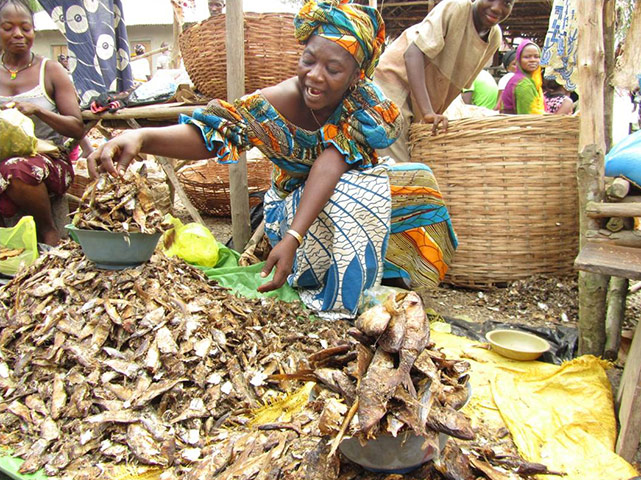
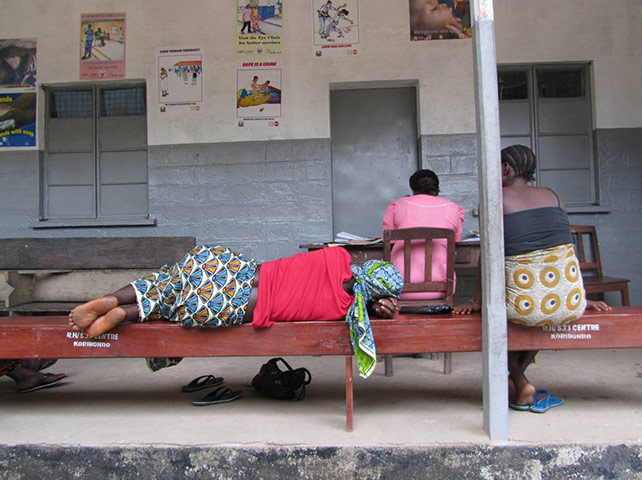
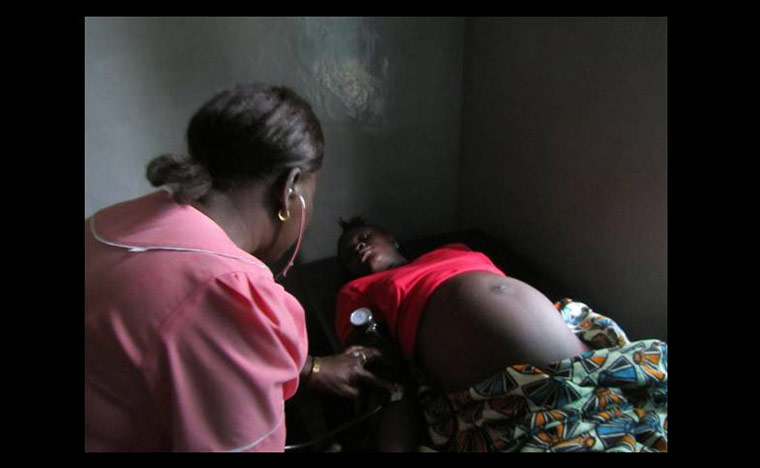
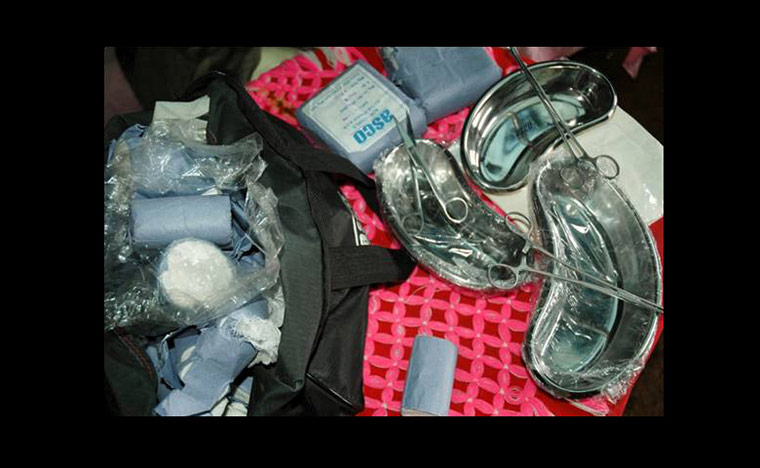
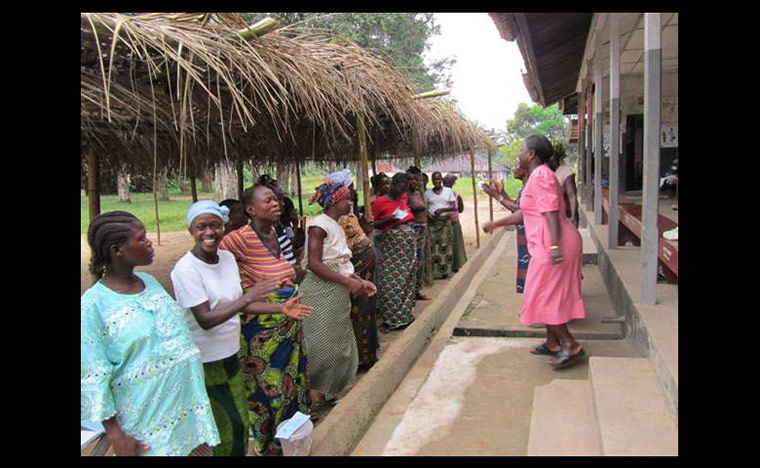
Everyone in Sierra Leone cooks with the deep-red coloured oil. Mamie needs to sell her palm oil before she can walk three miles to the market and buy food for her family, even though she’s expecting to give birth any day Photograph: World VisionMarkets in Sierra Leone are an important meeting place, and provide a space for trading - a key source of income. Most people in the Jaiama Bongor chiefdom are subsistence farmers, reliant on harvesting enough rice to feed their families, and producing some palm oil which they hope to be able to sell at the market. Mamie buys food for her family at the market for the week, providing she’s been able to sell her oil Photograph: World VisionMost pregnant women in Jaiama Bongor have to walk several miles to get to their nearest health clinic. Only 20% of women give birth in health centres with the remaining 80% choosing to give birth in their village with the help of a traditional birth attendantPhotograph: World VisionMamie Saidu, a 29-year old mother, has had seven births, but only two of her children survived. She could not afford to go to the clinic where they charged 2,000 Leones (30p) for a check-up. Here, a week past her due date, she was experiencing such pain that she thought she was in labour. She had just walked the 1.5-mile dirt-track to Koribondo health centre where maternal health worker, Elizabeth Tamu, checked her over. Elizabeth diagnosed an infection and Mamie received antibiotic injections. Her treatment was free of charge after the government removed user fees for pregnant women, mothers and children under five last April, with support from the UK's Department for International DevelopmentPhotograph: World VisionFor every birth until this one, Mamie has been assisted by the village’s traditional birth attendant. However, the government of Sierra Leone recently brought in a law to discourage women from giving birth at home. Women are strongly encouraged to give birth in a health centre where they are supported by maternal and child health aides. In Jaiama Bongor chiefdom there are 13 such workers, but no doctors or nurses. Many of the chiefdom’s health posts are ill-equipped, and the cost of transport to the centres, along with preference for traditional practices means that many women still prefer to give birth at homePhotograph: World VisionThe health centres and posts in the Jaiama Bongor chiefdom run education sessions for pregnant women, teaching them - often through song - about nutrition, breastfeeding, maternal care and hygiene. They also run clinics for under-fives, and can administer immunisations. One-in-five children in Sierra Leone do not make it to their fifth birthday because of preventable diseases such as diarrhoea, pneumonia and malariaPhotograph: World VisionBabies who are not breastfed are six times more likely to die in the first two months of their life than children whose mothers breastfeed. But relatively few women in the developing world realise the huge impact that this simple measure can have on their child's chances of survival. Community-level programmes (such as those run by World Vision) to encourage and maintain breastfeeding are an essential component of improving nutrition for children and reducing infant mortality rates in the developing worldPhotograph: World Vision
Sign up to read this article
Read news from 100’s of titles, curated specifically for you.