
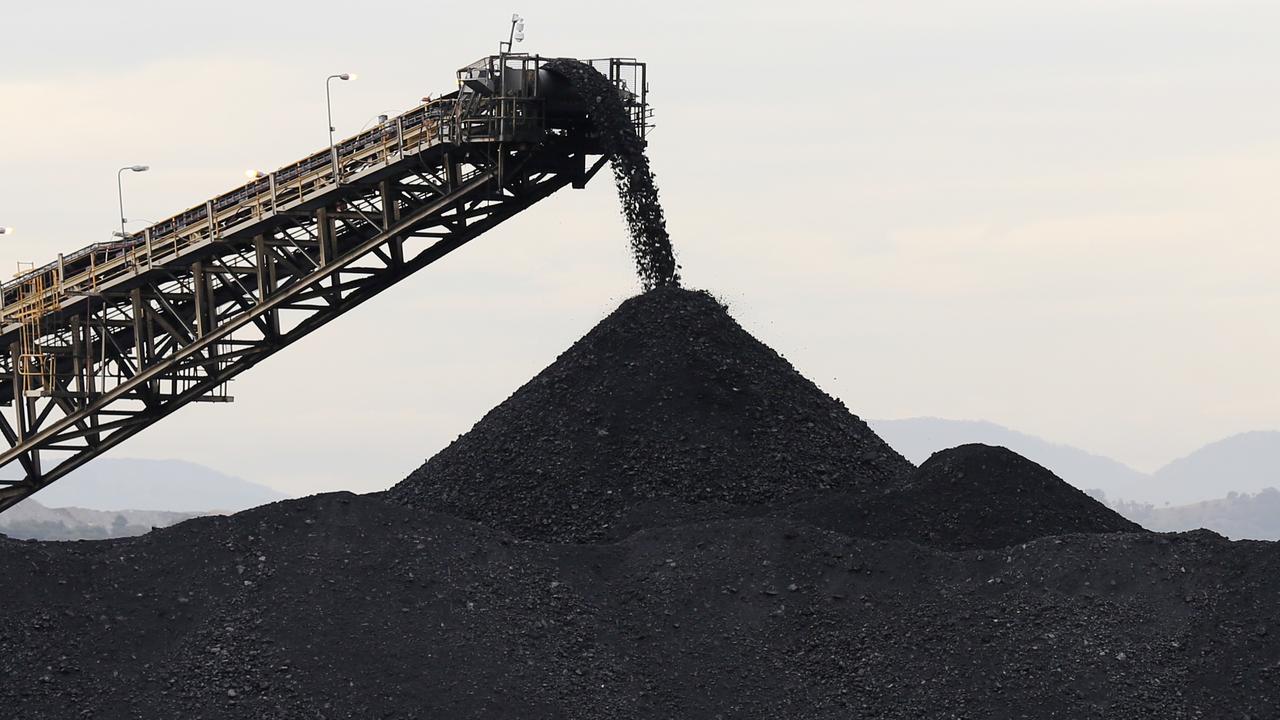
Australia's biggest coal-fired power station has been thrown its second lifeline in a move critics warn risks power bill pain, extra climate pollution and less money flowing into clean energy.
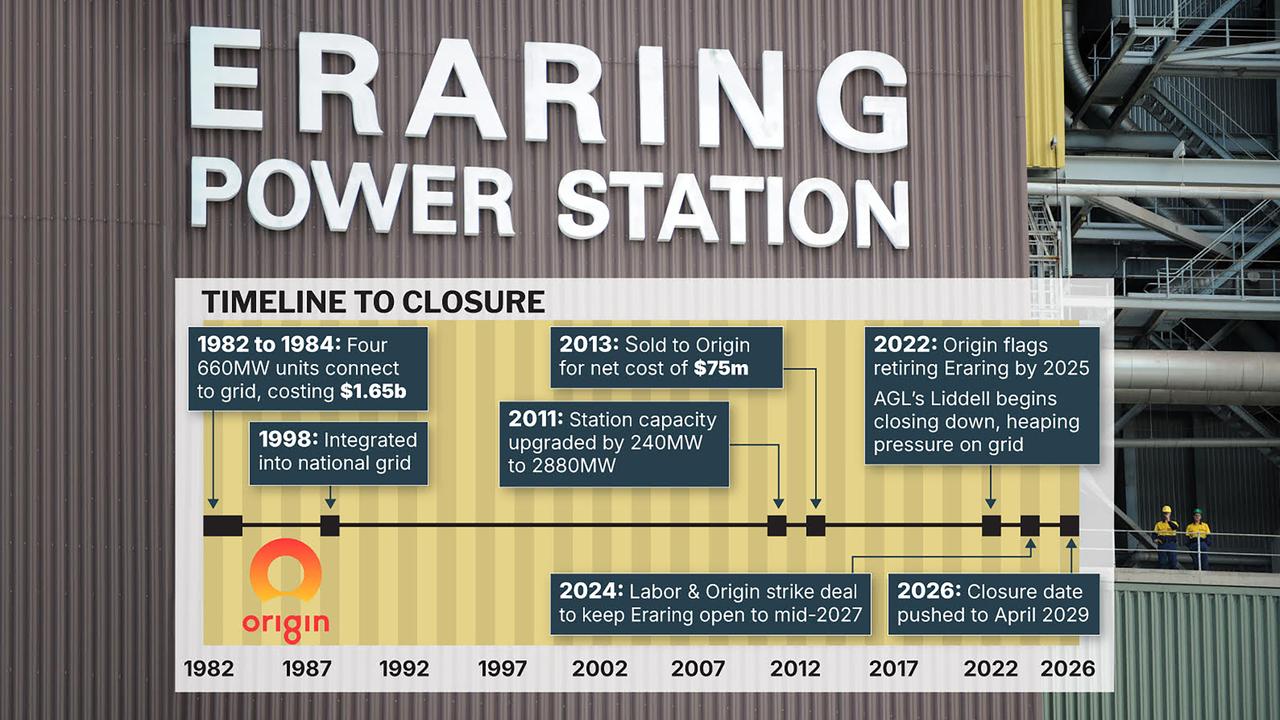
The Eraring plant on the shores of Lake Macquarie, north of Sydney, will stay open for another two years until 2029, owner and operator Origin Energy has announced.
Extending Eraring's operation would reduce risks to system security identified by the Australian Energy Market Operator in a recent report, chief executive officer Frank Calabria said.
The decision provided more time for renewables, storage and transmission projects to be delivered, Mr Calabria said in a statement to the ASX.
Australia has been gradually replacing its ageing fleet of coal-fired power stations with wind, solar and storage in pursuit of greenhouse gas emissions-reduction commitments.
As well as running off polluting fuel, coal power stations become less reliable and more prone to outages as they approach retirement age, driving spikes in wholesale prices that feed into higher power bills.
The state coalition and Greens - usual foes - attributed Origin's decision to a stalling of the energy transition, taking aim at the state Labor government.
"We have seen project after project delayed, while regional communities are being ignored and steamrolled by a government that doesn't listen," coalition environment spokesman James Griffin said.
Labor had lacked ambition and urgency to transition from fossil fuels and had been focused on building power-hungry data centres, Greens MP Abigail Boyd said.
"Keeping any coal power station open longer is a cost-of-living and human health disaster."
But the government's key focus was keeping the lights on and putting a lid on power prices, Energy Minister Penny Sharpe said.
"Since the election, we have increased the amount of renewable energy capacity in operation by almost 70 per cent," she said.
"That's equivalent to Eraring's capacity."

Johanna Bowyer, from the Institute for Energy Economics and Financial Analysis, said there was little evidence of looming breach in reliability under the 2027 Eraring exit, which refers to a forecasted gap between electricity supply and demand.
But there were questions about system security - the network's ability to withstand sudden disturbances - without timely investments in supporting infrastructure and technical upgrades.
Delaying coal plant exits came at a cost, she warned, including burning more fossil fuels.
While it was unclear how the latest Eraring extension would influence state and national climate targets, the electricity market analyst told AAP the pace of cuts mattered and faster reductions were better for limiting overall warming.
The continual extension of coal plants could further "scare off" renewables investment.
"Clear, credible coal closure dates are essential if we want new clean energy built on time," Ms Bowyer said.
She criticised the original agreement struck between the NSW government and Origin that left the door open to the 2029 extension, effectively prolonging uncertainty.
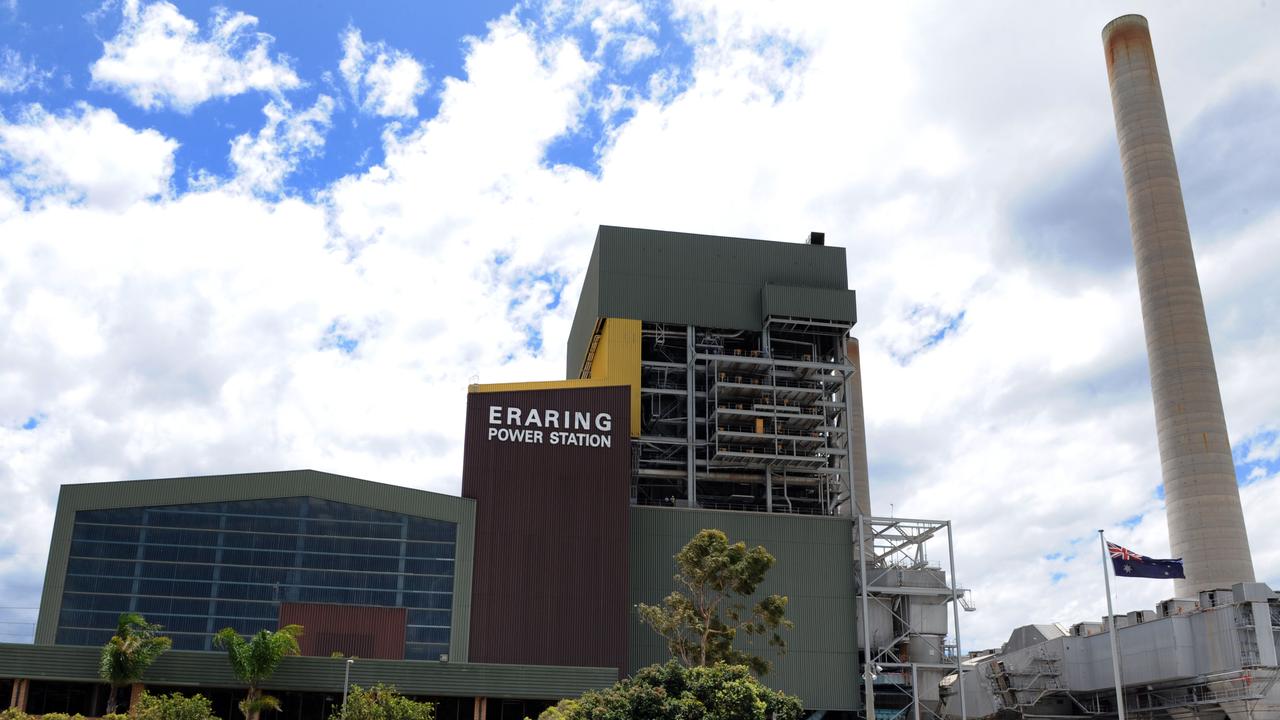
The 2880-megawatt plant was initially slated to close in 2025.
But that was pushed out to August 2027 after the state government struck a $450 million risk-sharing deal for the facility.
Under the deal, NSW would cover a percentage of losses up to $225 million per year if given advance notice by Origin.
Origin has until March to activate the second year of the deal, having not done so for 2025/26.
The deal won't be extended beyond 2027, Labor says.
Mining and Energy Union's Robin Williams welcomed a longer operating life for the Eraring plant but said rumours about the extension had made it difficult for workers trying to prepare.
"This decision finally provides some certainty for the employees at Eraring," Mr Williams said.