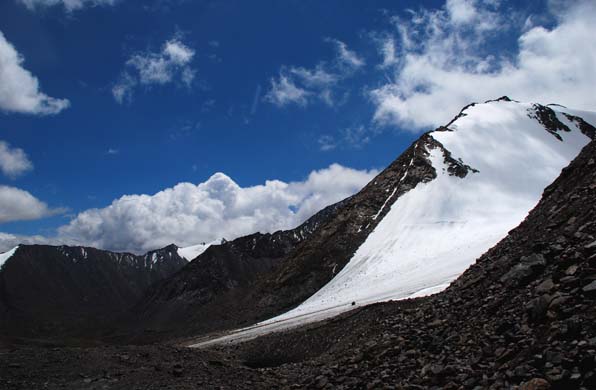
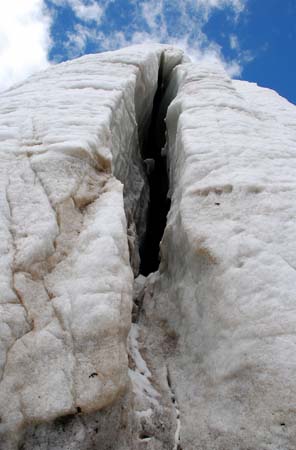
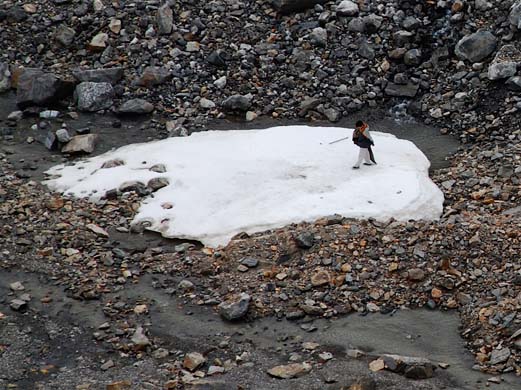
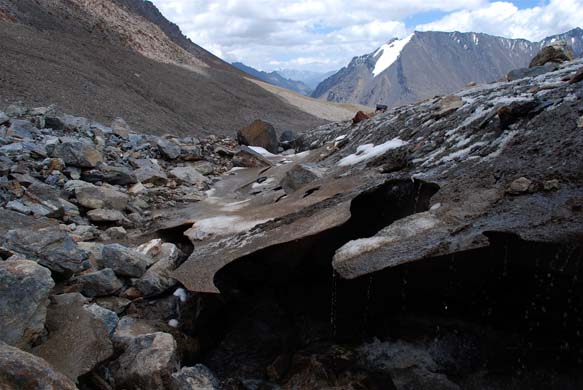
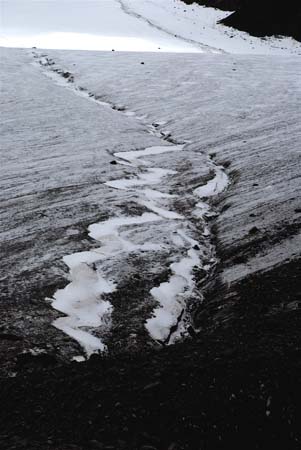
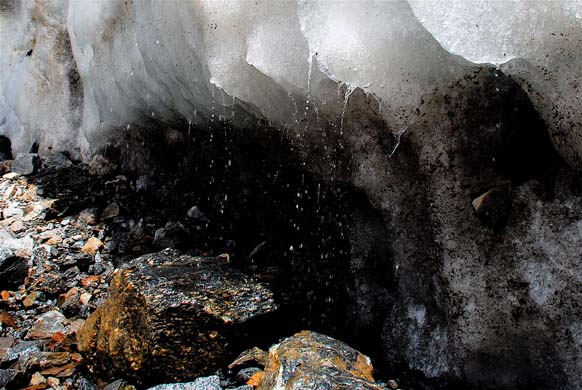
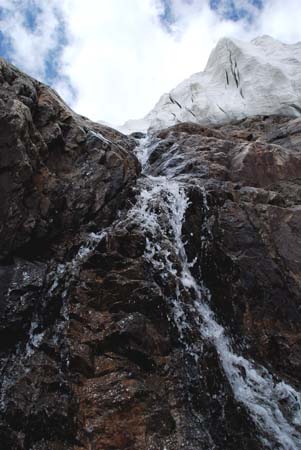
The Urumqi number three glacier, which is shrinking and getting thinnerPhotograph: Jonathan Watts/FreelancerThe Urumqi glacier is cracked and gnarled by wind erosion and changing temperaturePhotograph: Jonathan Watts/freelancerA visitor walks across a large piece of ice that has been separated from the glacier as the ice-field shrinks Photograph: Jonathan Watts/freelancer
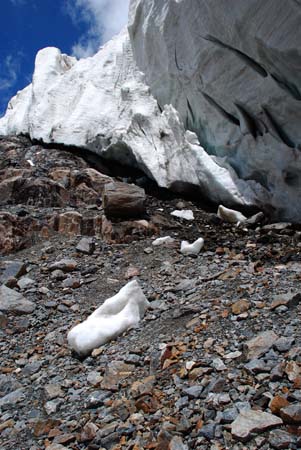
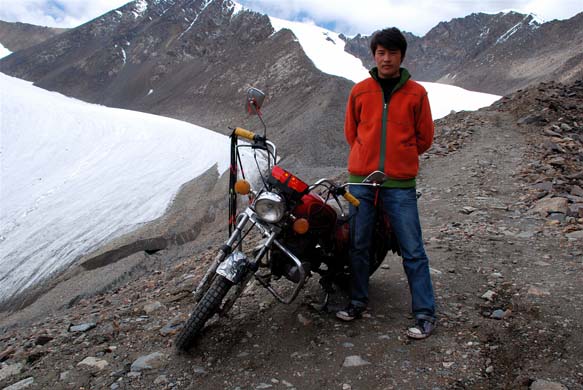
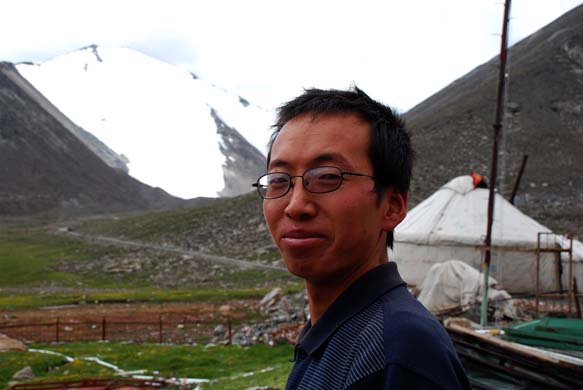
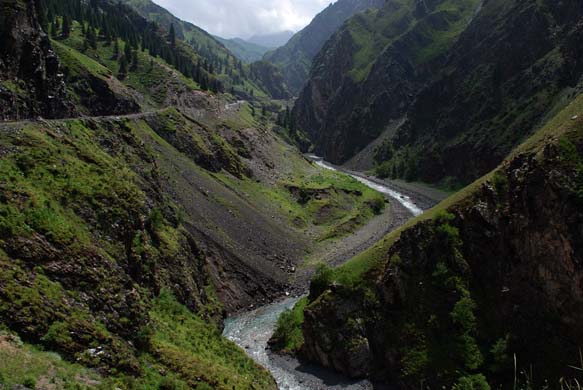
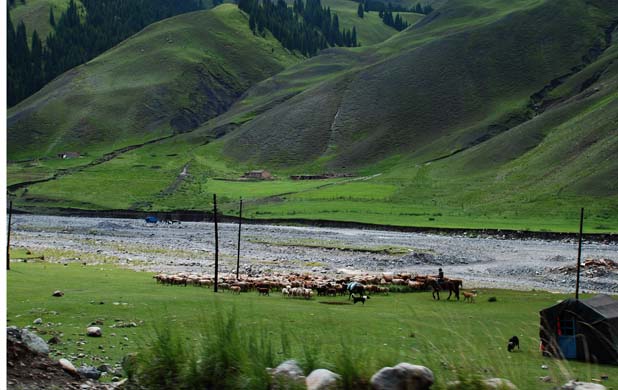
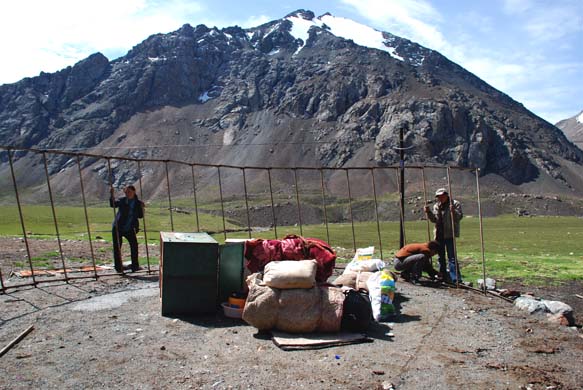
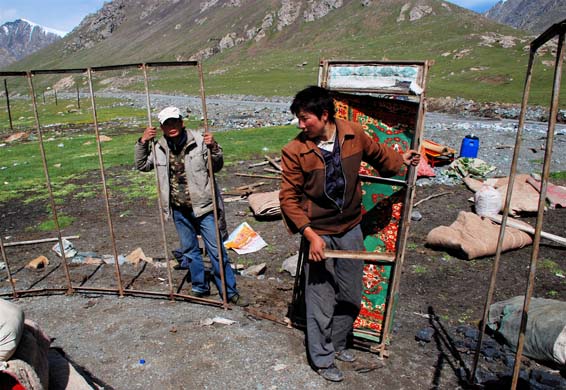
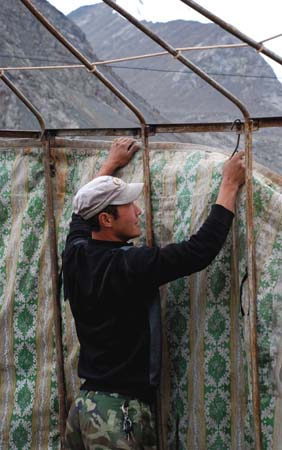
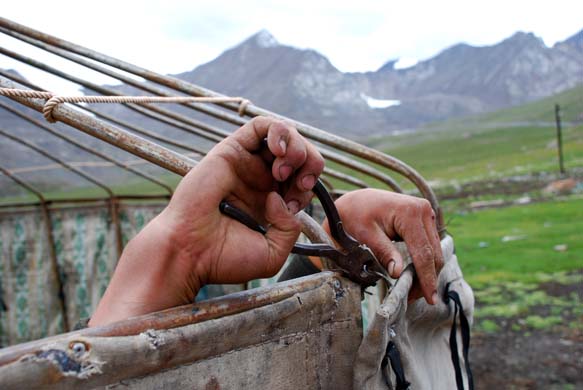
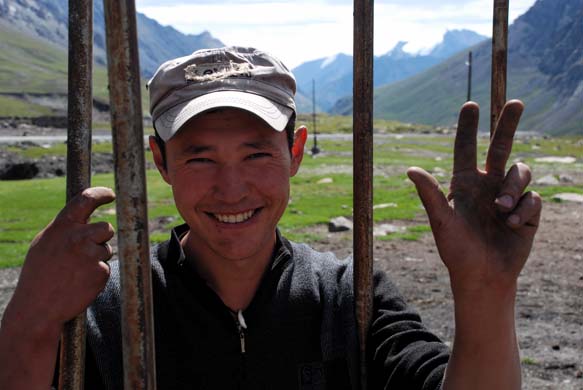
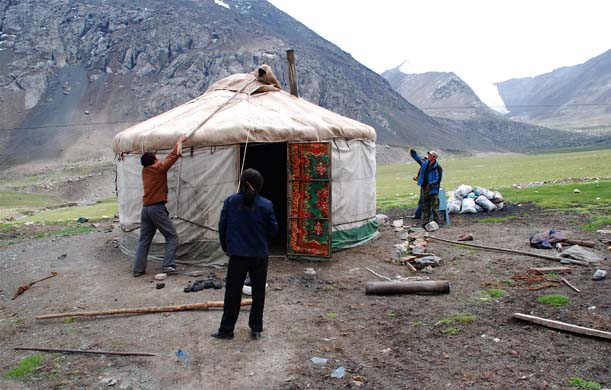
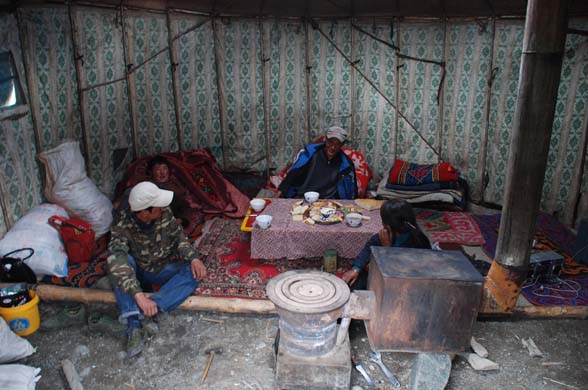
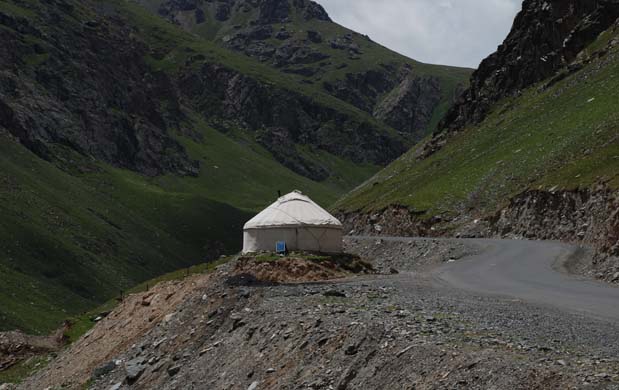
A large chunk of ice lies below the glacier wall that it fell from. Every year, the ice field is retreating at the rate of more than 8m and losing 3m of thicknessPhotograph: Jonathan Watts/freelancerHoles appear in the dirty, wafer thin ice above a torrent of water. Meltwater cuts a tunnel below the darkened icePhotograph: Jonathan Watts/freelancerRivulets just below the surface snake to the edge of the ice field. Last year, scientists say a small lake formed at the top for the first timePhotograph: Jonathan Watts/freelancerClose-up of the melting ice. The glacier always shrinks in the summer, but the speed of its retreat up the mountain is increasing every yearPhotograph: Jonathan Watts/freelancerThe trickle becomes a streamPhotograph: Jonathan Watts/freelancerAshengbieke takes tourists on his motorbike up to see the glaciers. Since his childhood, he says the ice field behind him has split in two and the snow has grown dirty from pollutionPhotograph: Jonathan Watts/freelancerScientist Zhang Enzi has been living at the weather monitoring station near the glaciers for four years. He is frightened that the rising temperatures and glacier melt will hurt water supplies for millions of people downstream Photograph: Jonathan Watts/freelancerLush green slopes flank the road and river that link the glacier and UrumqiPhotograph: Jonathan Watts/freelancerNomads herd their flocks beside the river that flows from the glacier. The river runs crystal clear near the glacier that is its main source. Downstream, more than 2 million people depend on water partly supplied from the melting mountain icePhotograph: Jonathan Watts/FreelancerBahabieke and other Kazakh nomads begin erecting their yurt in the summer camp in the Tian mountains, above 3,000m, in the far west of China. They are moving here a month earlier than five years ago because temperatures are rising Photograph: Jonathan Watts/freelancerThe brightly coloured door of the nomad's yurt is moved into placePhotograph: Jonathan Watts/freelancerBahabieke clips the thick, colourful tent wall to the frame of the yurtPhotograph: Jonathan Watts/freelancerThe nomads use pliars to twist the wire together than join the heavy fabric wall to the metal frame of the yurt. In the background are the Urumqi glaciers, about 20 minutes away by motorbikePhotograph: Jonathan Watts/freelancerBahebieke, a nomadic herder from the Kazakh ethnic group poses as he erects his summer camp above 3,000m altitudePhotograph: Jonathan Watts/freelancerPutting the finishing touches on the yurt. A thick sheet is tied across the hole in the roof that serves as a chimney. From start to finish, it takes about three hours to erect the home Photograph: Jonathan Watts/freelancerInside the completed yurt. The nomad, Bahebieke and his family prepare goat cheese and bread cooked on the wooden stovePhotograph: Jonathan Watts/freelancerA nomad's yurt on the road up to the glacier. Locals say the nomadic life has improved in recent years thanks to mobile phones and solar panels that allow them to listen to the radio and use light bulbsPhotograph: Jonathan Watts/freelancer
Sign up to read this article
Read news from 100’s of titles, curated specifically for you.