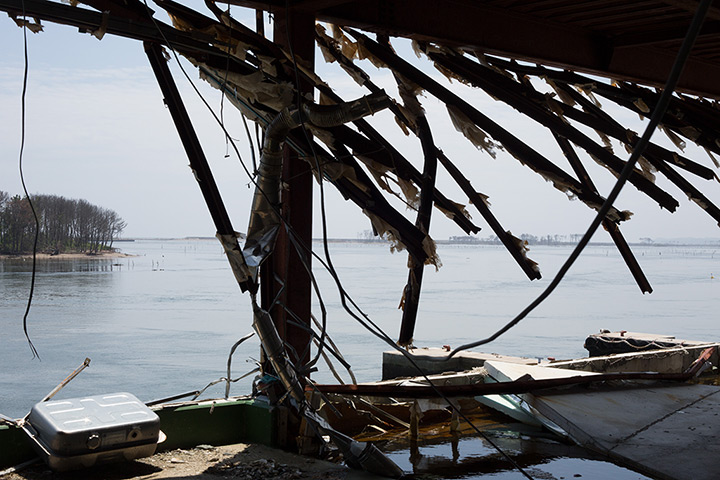
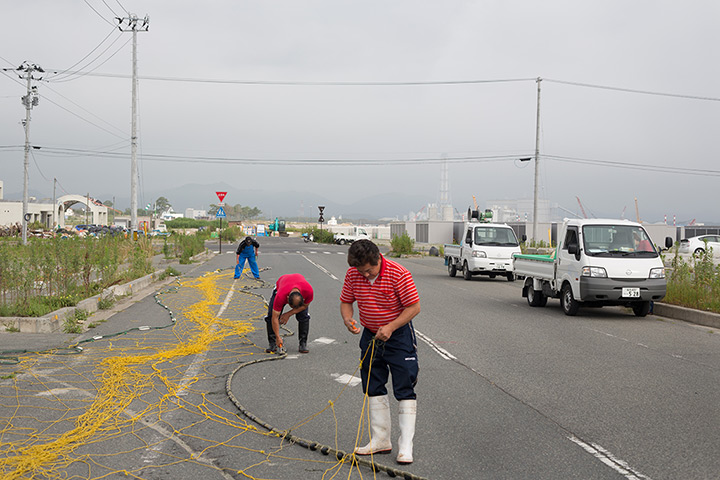
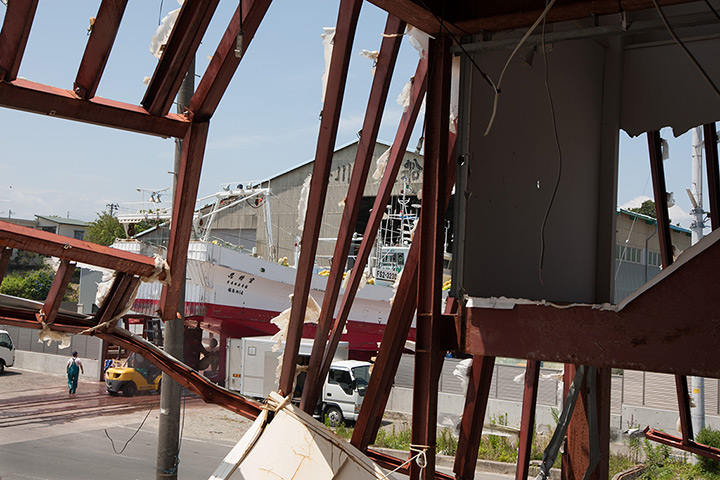
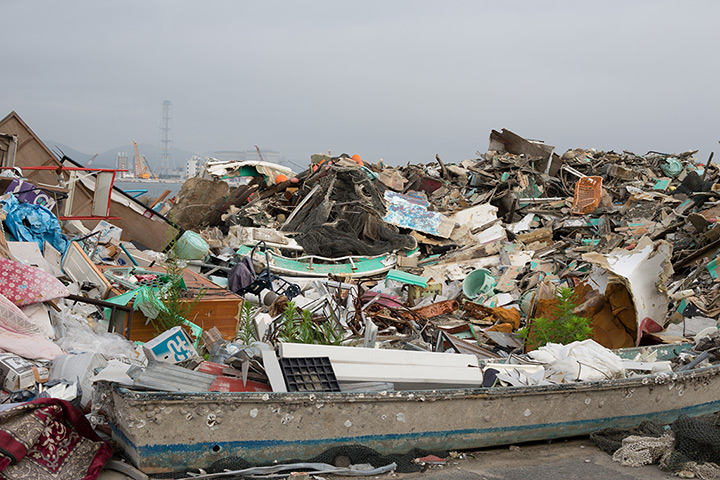
The bay area of Matsukawaura, Soma, through the remnants of a shoreline building damaged in the 2011 tsunamiPhotograph: Jeremy Sutton-Hibbert for the GuardianFishermen mend their nets in MatsukawauraPhotograph: Jeremy Sutton-Hibbert for the GuardianA fishing boat sits in a ship repair boatyard, the buildings nearby were buckled and ripped apart by the 2011 tsunamiPhotograph: Jeremy Sutton-Hibbert for the Guardian
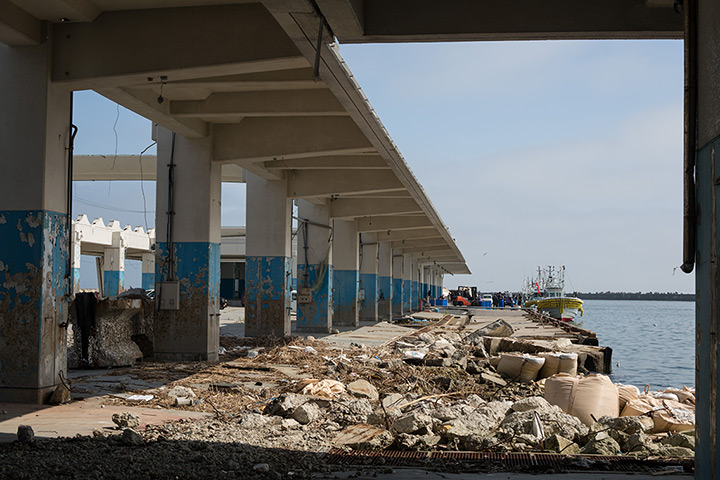
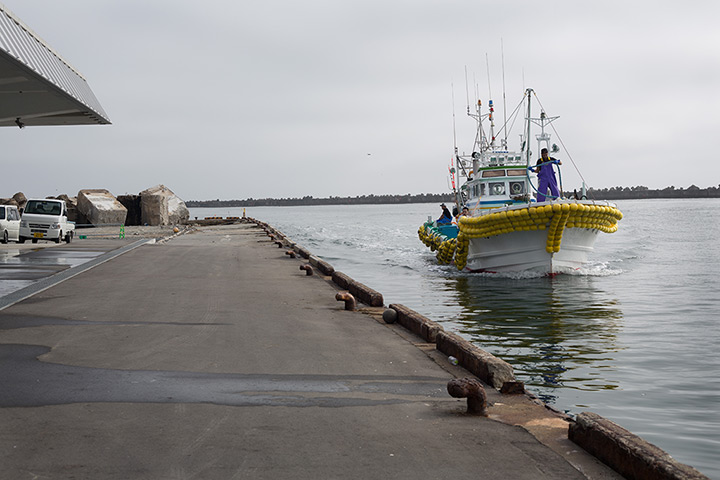
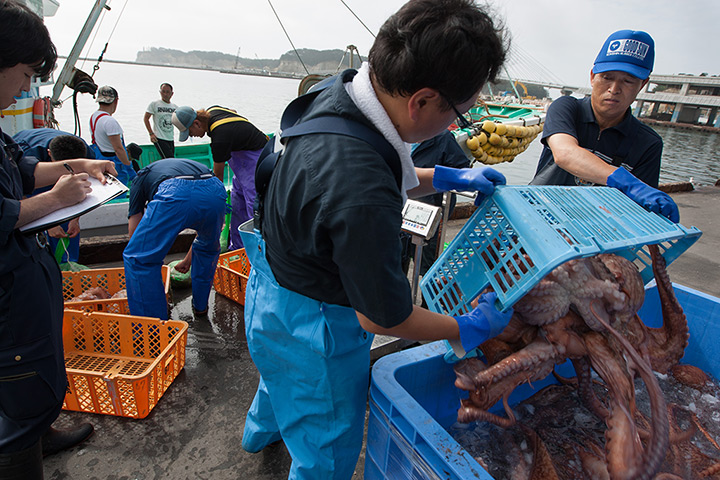
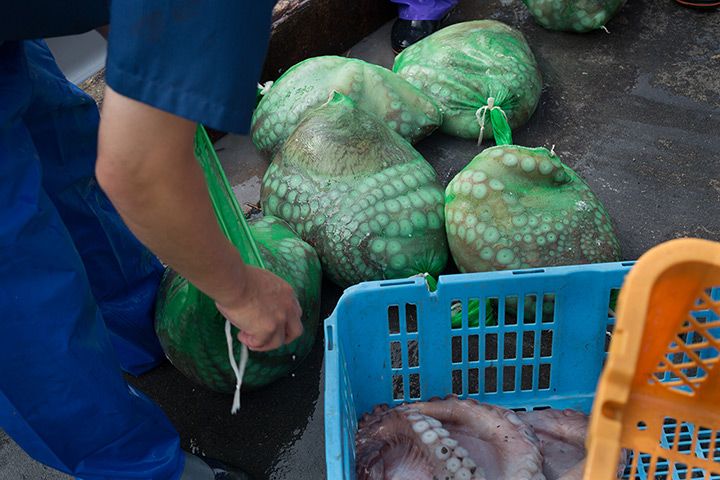
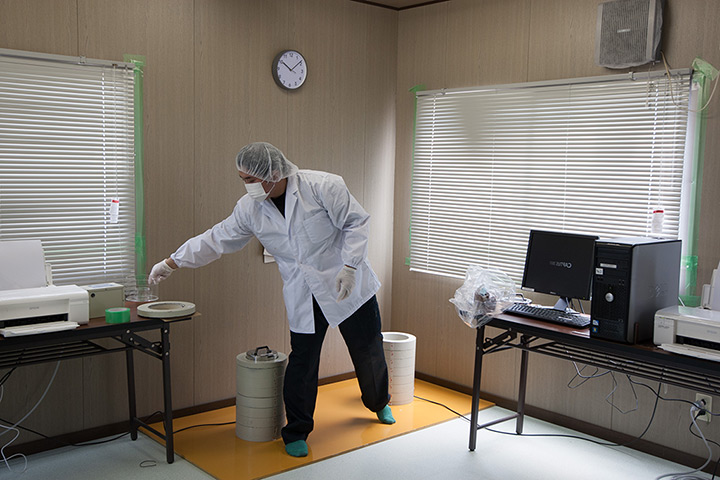
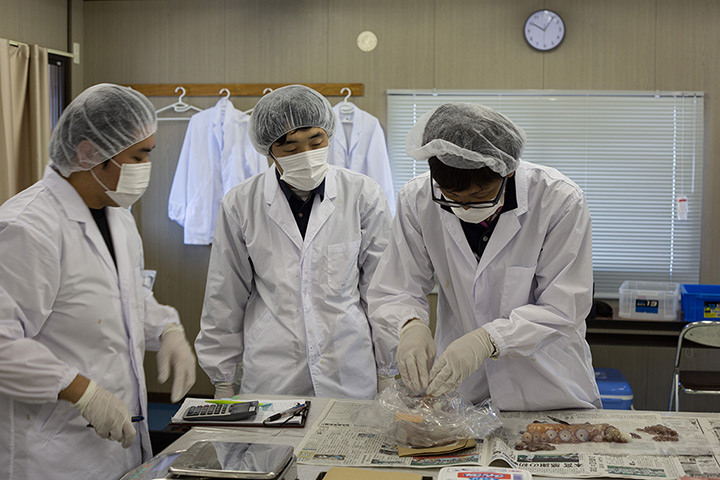
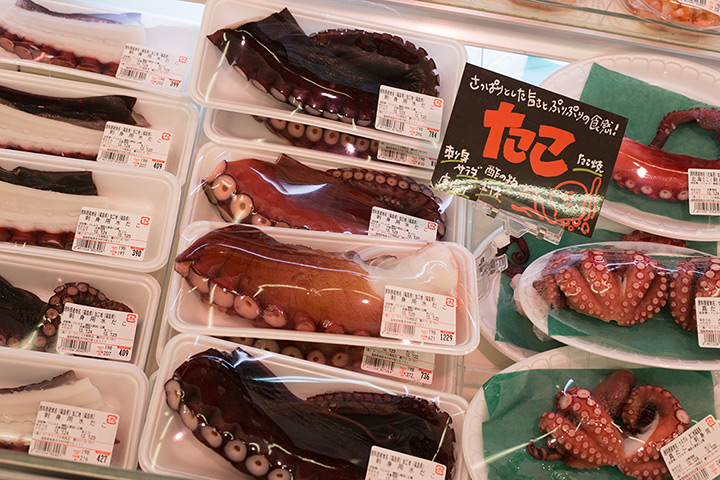
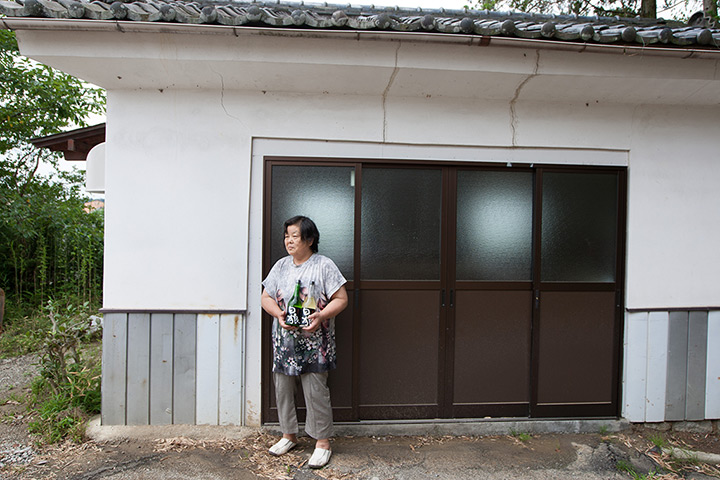
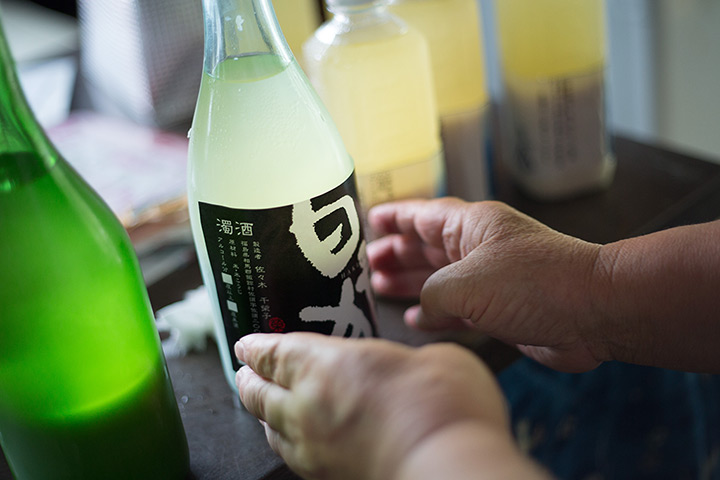
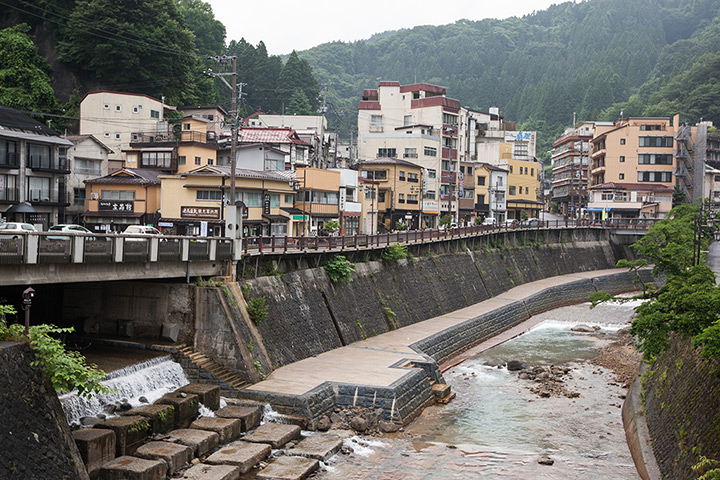
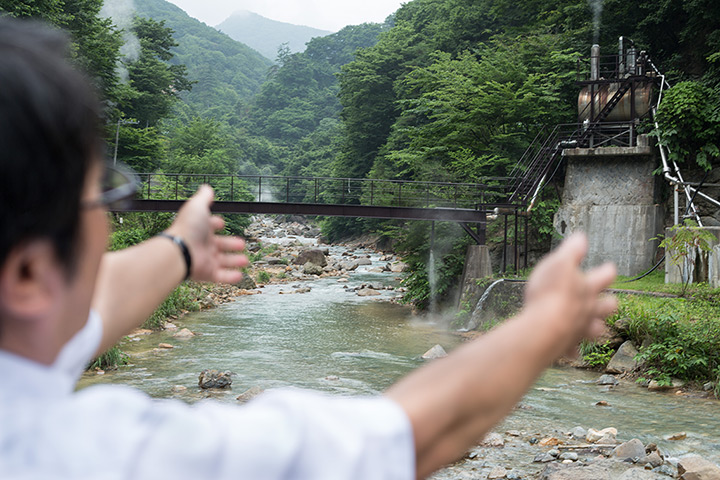
Fishing boats arrive at the fish market landing area, which still shows signs of tsunami damagePhotograph: Jeremy Sutton-Hibbert for the GuardianDamaged fishing boats and debris from the destruction caused by the 2011 tsunamiPhotograph: Jeremy Sutton-Hibbert for the GuardianEarly morning and the first of five fishing boats arrives at the fish market landing area to unload its catch of large whelks and octopusPhotograph: Jeremy Sutton-Hibbert for the GuardianFisherman land their catch of octopus, and large whelks, at the fishing port which has barely recovered from the March 2011 tsunami, in the Matsukawaura, Soma. The octopus and whelks are then checked for radiation contamination, at the seafood radiation testing centre, located beside the port, and if found to be clear will be put on sale in local shopsPhotograph: Jeremy Sutton-Hibbert for the GuardianFisherman prepare their catch to take it to the radiation testing centrePhotograph: Jeremy Sutton-Hibbert for the GuardianAt the seafood radiation testing centre, Haga Noriaki conducts checks for radiation contamination on the octopus and whelks Photograph: Jeremy Sutton-Hibbert for the GuardianOctopus and whelks are checked for radiation contaminationPhotograph: Jeremy Sutton-Hibbert for the GuardianLocally caught octopus on sale in a supermarket, beside signs explaining the radiation contamination checking procedure and results of the checks on the seafoodPhotograph: Jeremy Sutton-Hibbert for the GuardianChieko Sasaki-san, 66, stands outside the storehouse in which she makes her own sake alcohol. She calls it 'Hakuro', named after a God in her village shrine in Iitate, which was evacuated over fears of radiation fallout from the Fukushima nuclear disaster Photograph: Jeremy Sutton-Hibbert for the GuardianSasaki-san has been using her last stock of supply of Iitate rice, from 2010 harvest, to make her current batch of sake alcohol. Her next batch of sake will be made from rice that comes from Aizuwakamatsu, an area unaffected by the nuclear radiation falloutPhotograph: Jeremy Sutton-Hibbert for the GuardianThe town of Tsuchiyu Onsen in Fukushima plans to install a geothermal plant to produce electricity from the town's volcanic hot springsPhotograph: Jeremy Sutton-Hibbert for the GuardianKazuya Ikeda, office manager of the Tsuchiyu-Onsen tourist association, shows the location where the geothermal plant will be build. It is expected to produce 250kw of electricity per hour – meeting a quarter of the town's power requirementPhotograph: Jeremy Sutton-Hibbert for the Guardian
Sign up to read this article
Read news from 100’s of titles, curated specifically for you.