Almost 100 Libyans, including a parade of divisive politicians and warlords from the past decade of violence, have registered as presidential candidates for an election that poses the biggest challenge yet to a U.N.-backed peace initiative.
Libya's electoral commission said on Tuesday it would take about two weeks to finalise the list of eligible candidates after any legal challenges to the 98 who have registered for the Dec. 24 vote.
Arguments over the rules, including who can run, threaten to derail efforts to bring myriad warring factions to accept the legitimacy of a newly unified political leadership.
Three of the most prominent candidates may be accused of disqualifying violations.
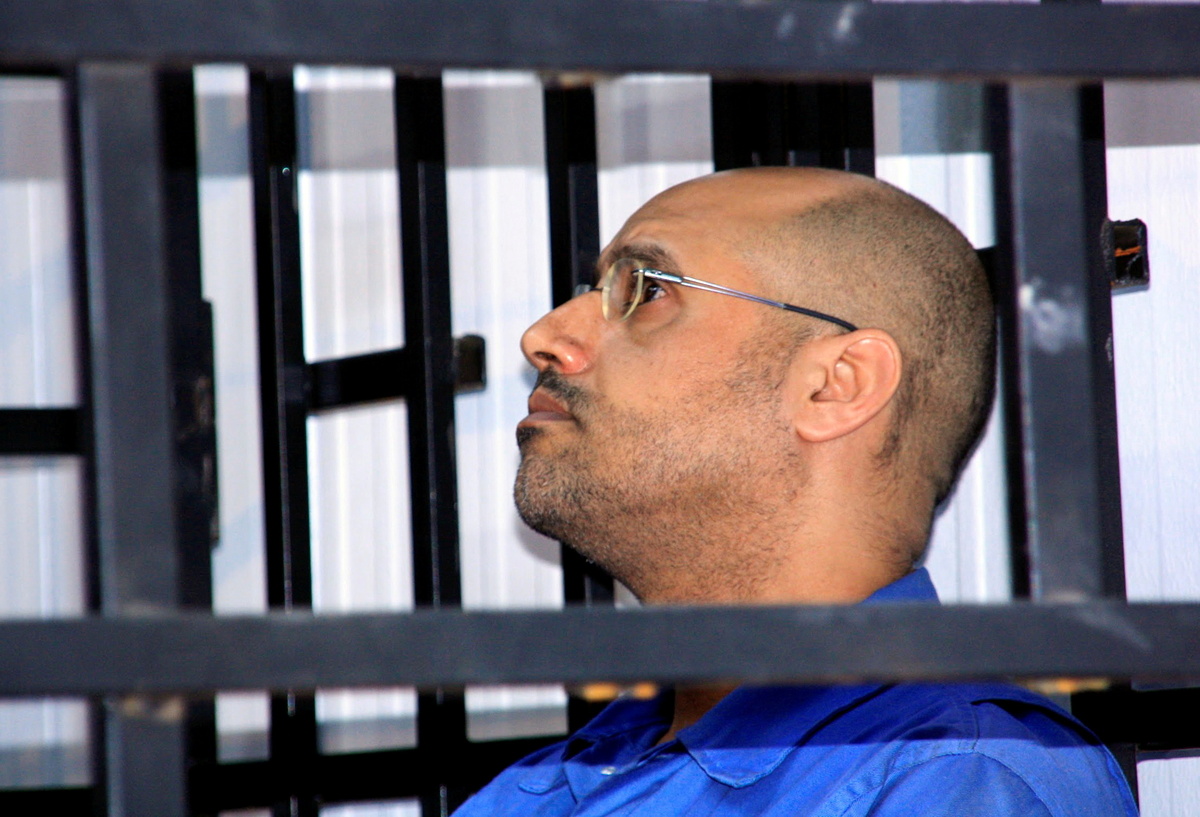
Saif al-Islam Gaddafi was convicted in absentia by a Libyan court in 2015 of war crimes for his part in fighting the 2011 uprising that ended his father's 42-year rule, and is wanted by the International Criminal Court.
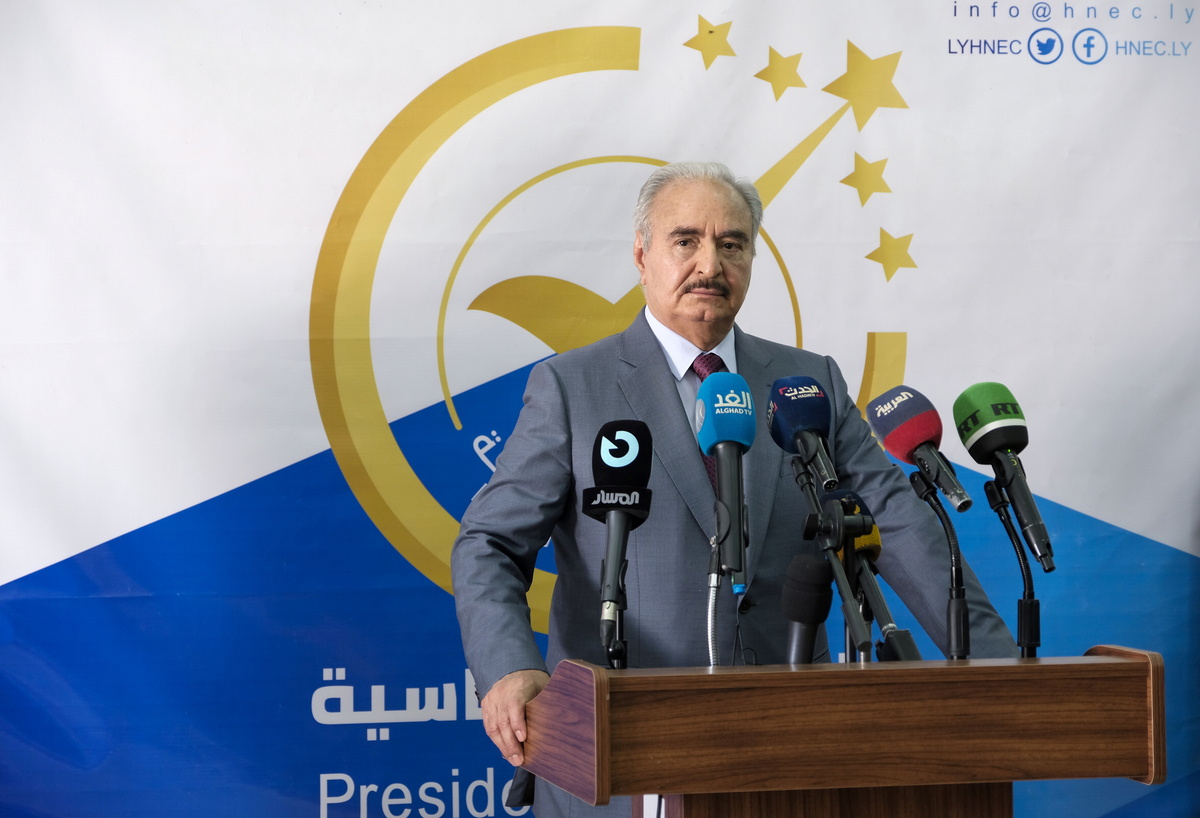
Khalifa Haftar, head of the eastern-based Libyan National Army, is accused of war crimes and other abuses, including during his 14-month assault on Tripoli, which was foiled last year. Diplomats say he also holds U.S. citizenship despite a ban on dual nationals running for the presidency.
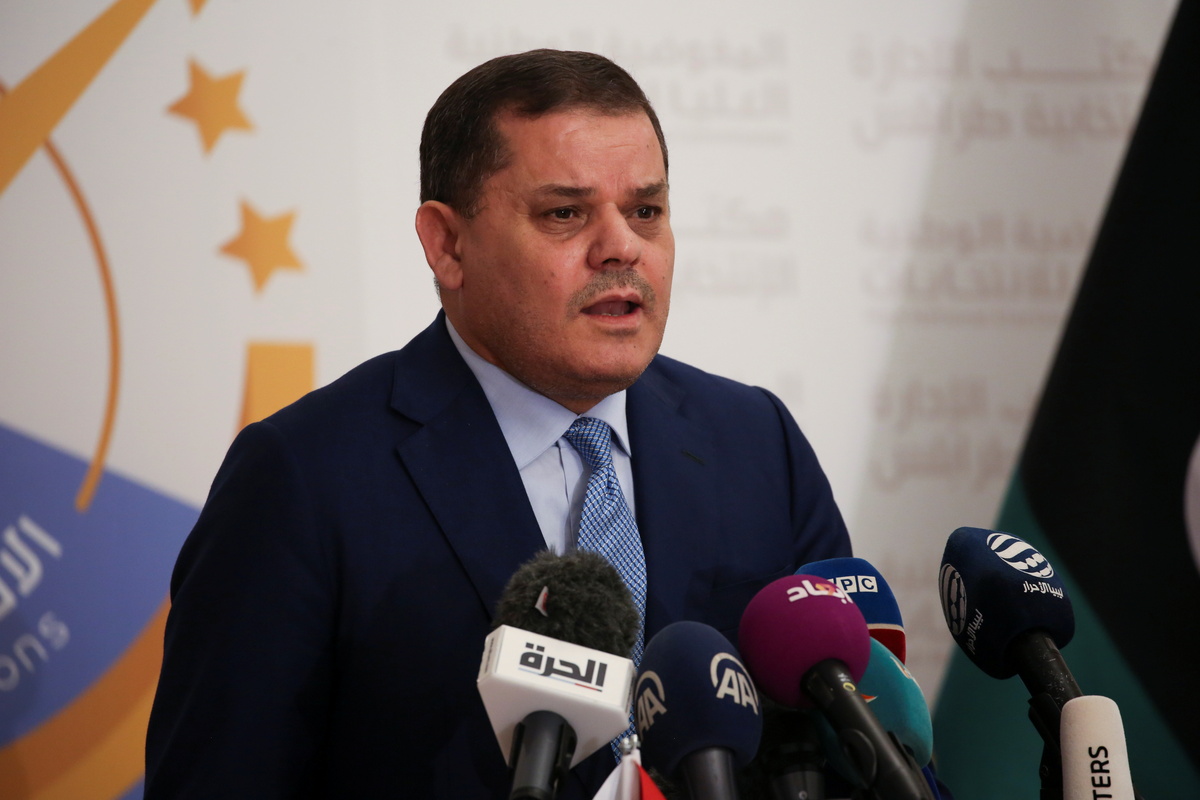
Abdulhamid al-Dbeibah made a public vow not to take part in the election when he was chosen in March to be the interim prime minister in order to prevent him using the offices of state for electioneering.
He also did not step down from his role three months before the vote as demanded by an electoral law issued by the parliament speaker in September.
Both Gaddafi and Haftar deny war crimes. Haftar has denied being a dual national. Dbeibah has said the people want him to run and that the electoral law is flawed.
The electoral commission, a technical rather than political body, has said most questions about candidates' eligibility should be resolved by Libyan courts.
Ruling out one of the major candidates but not all of them would probably trigger an angry reaction among their supporters and attacks on the integrity of the election.
Other prominent candidates include former prime ministers, ministers and legislators from previous transitional governments and from breakaway administrations established during the past 10 years of turmoil.
There will be two rounds of voting if no one receives at least 50% of the vote plus one in the first round.
(Reporting by Reuters Libya newsroom, writing by Angus McDowall, editing by Mark Heinrich)