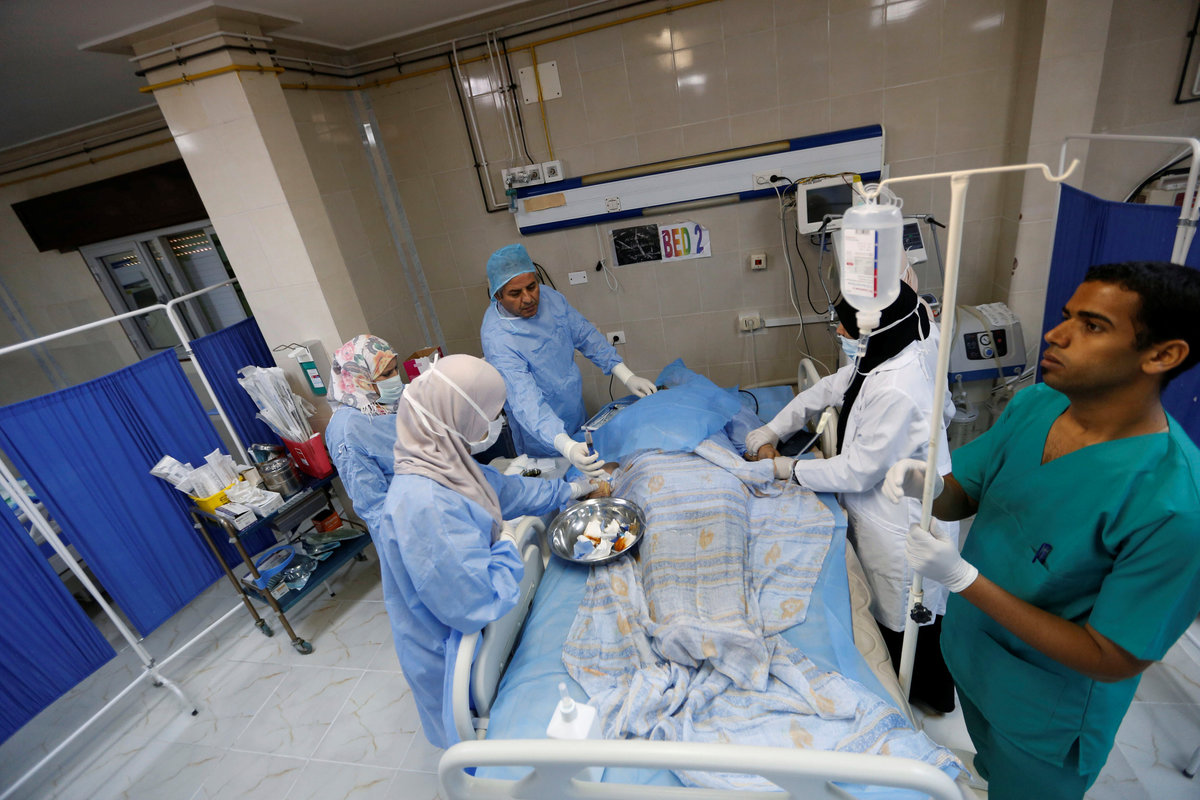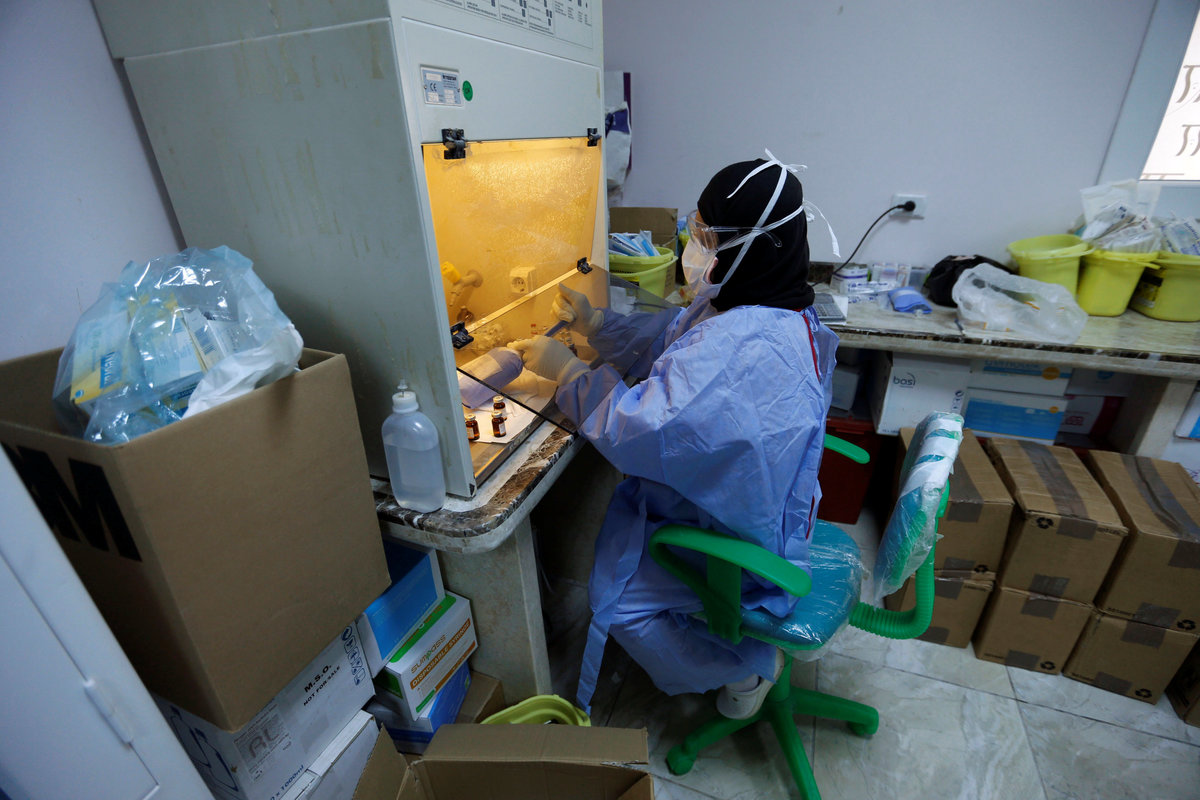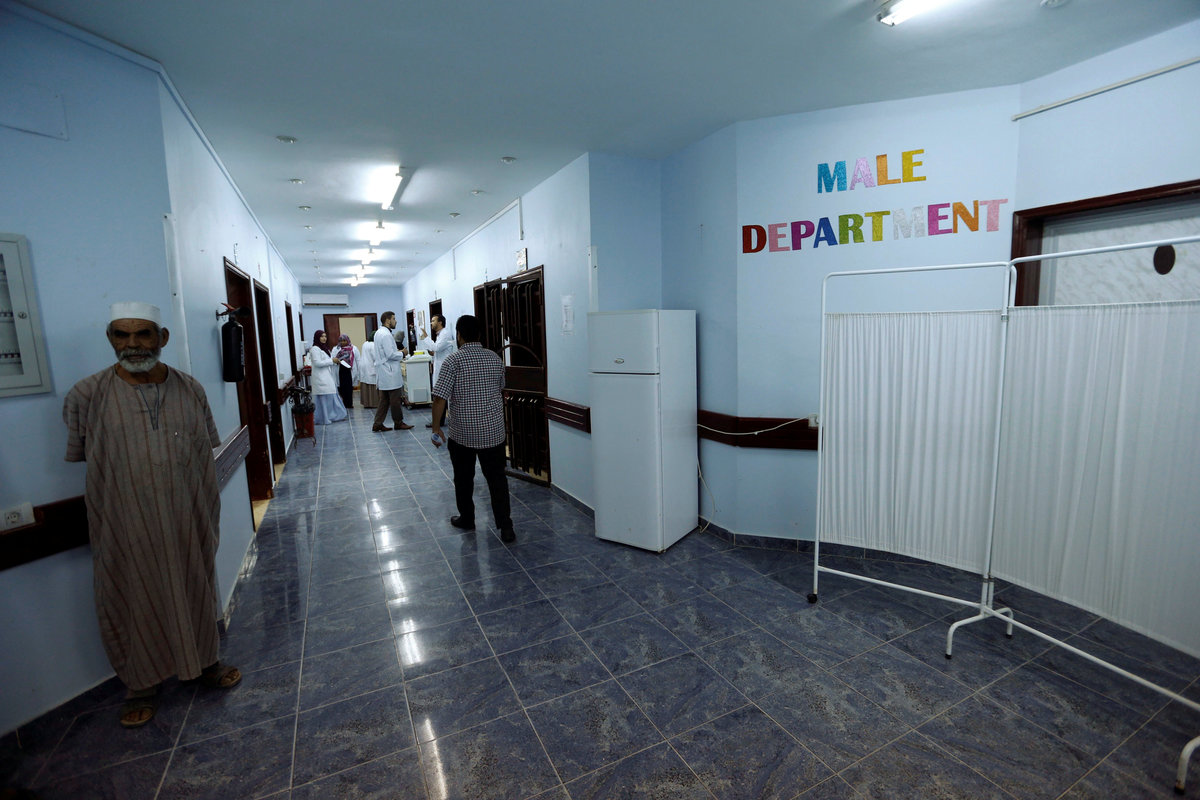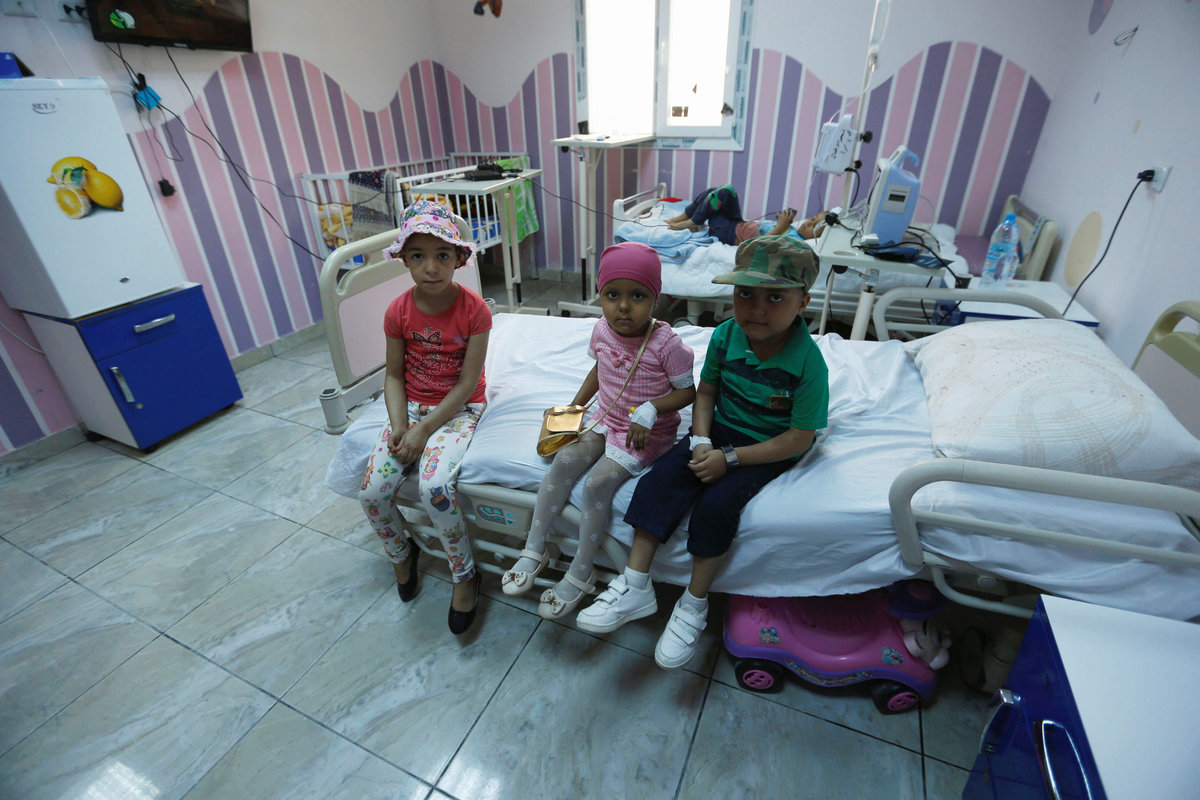
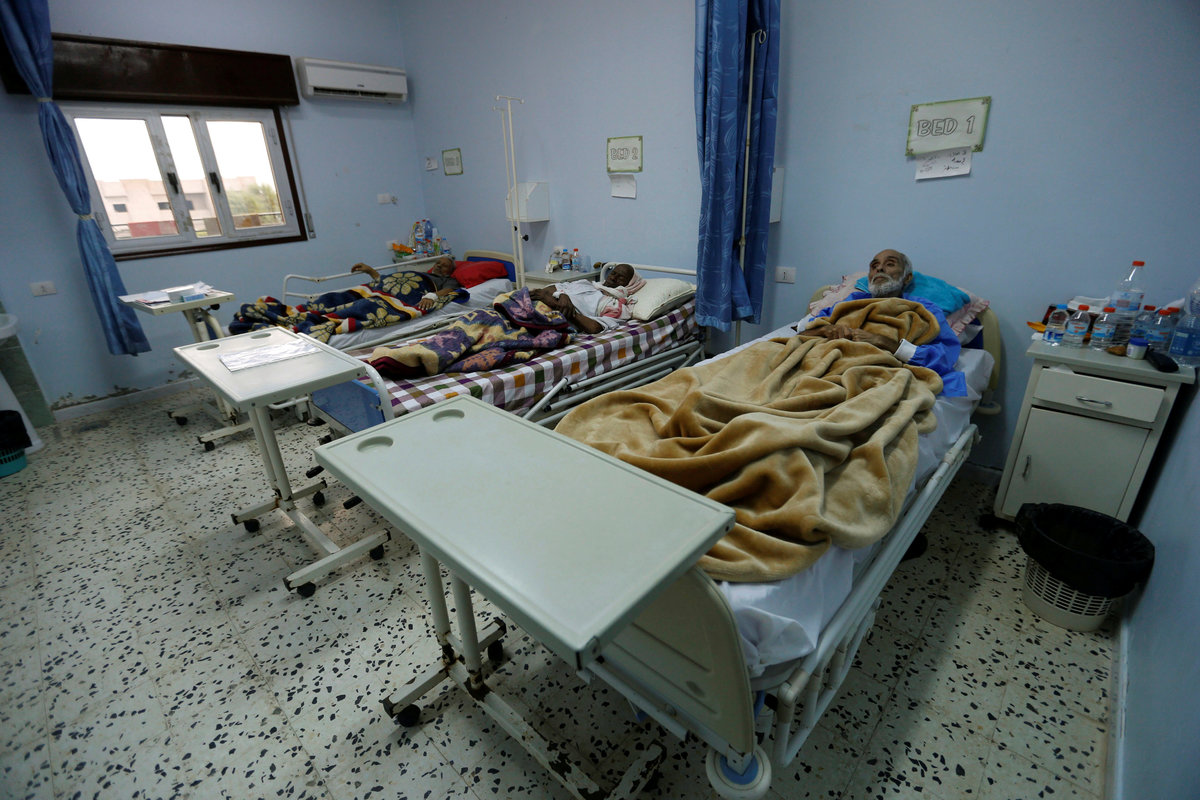
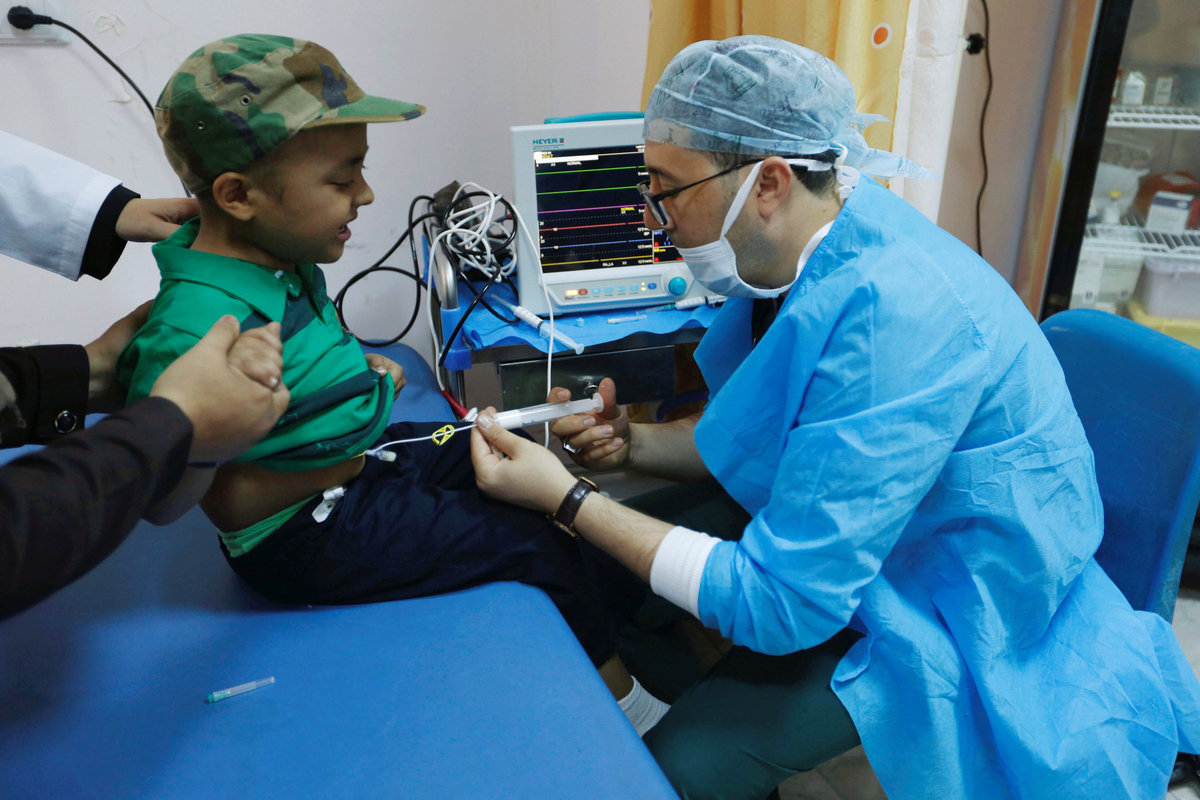
MISRATA, Libya (Reuters) - One of Libya's few cancer clinics is relying on donors to keep its doors open for patients who often travel hundreds of kilometers (miles) for life-saving treatment.
Conflict and economic crisis since Libya's 2011 uprising have gutted the health system and made it harder for Libyans to afford private treatment or travel to hospitals abroad.
Medicines and equipment are in short supply, and many of the foreign staff on which the health system previously depended have left Libya.
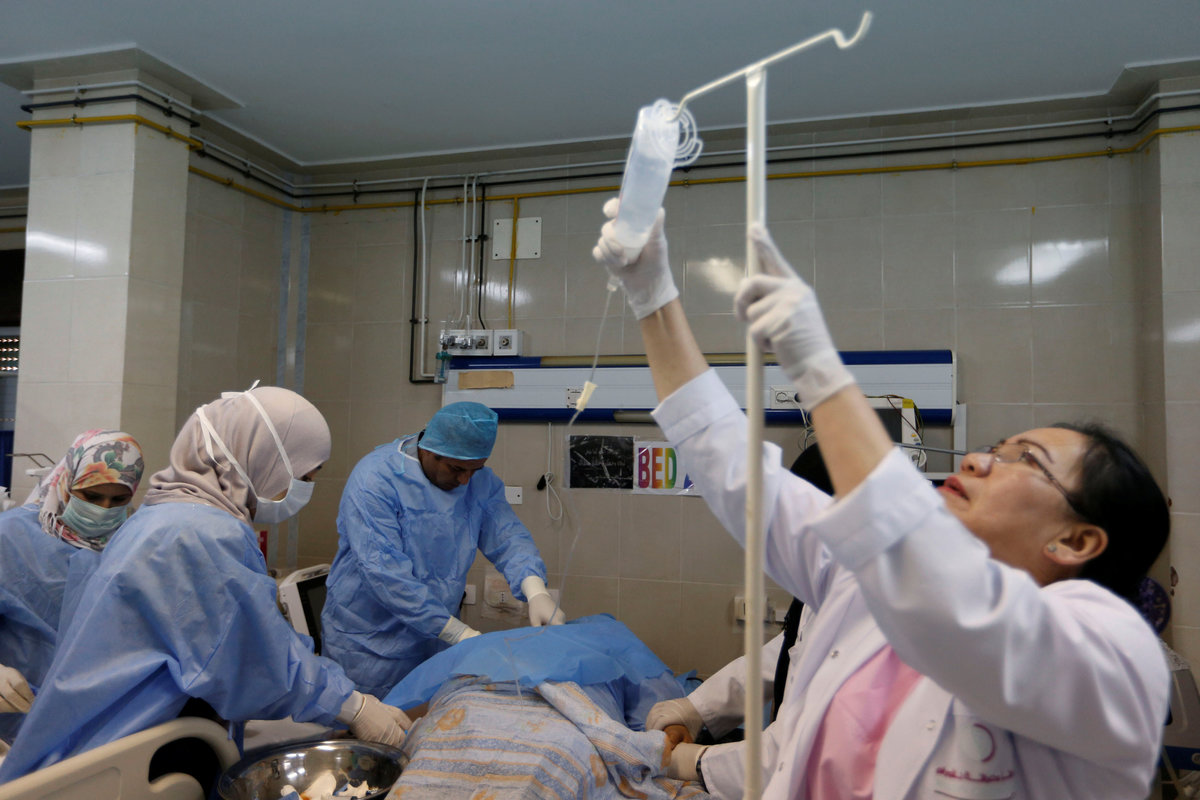
Internal displacement due to conflict has added to the challenges for facilities that are still functioning, such as the Misrata Cancer Centre, said Mohamed el-Feki, its director.
Some patients travel to the state-run clinic in the port city of Misrata, about 190 km (120 miles) east of the capital, Tripoli, from deep in the Sahara desert.
"The displacement of a large number of people led to crowding and overpopulation in the west (of Libya) and to an increase in the burden on the cancer treatment center," Feki said.
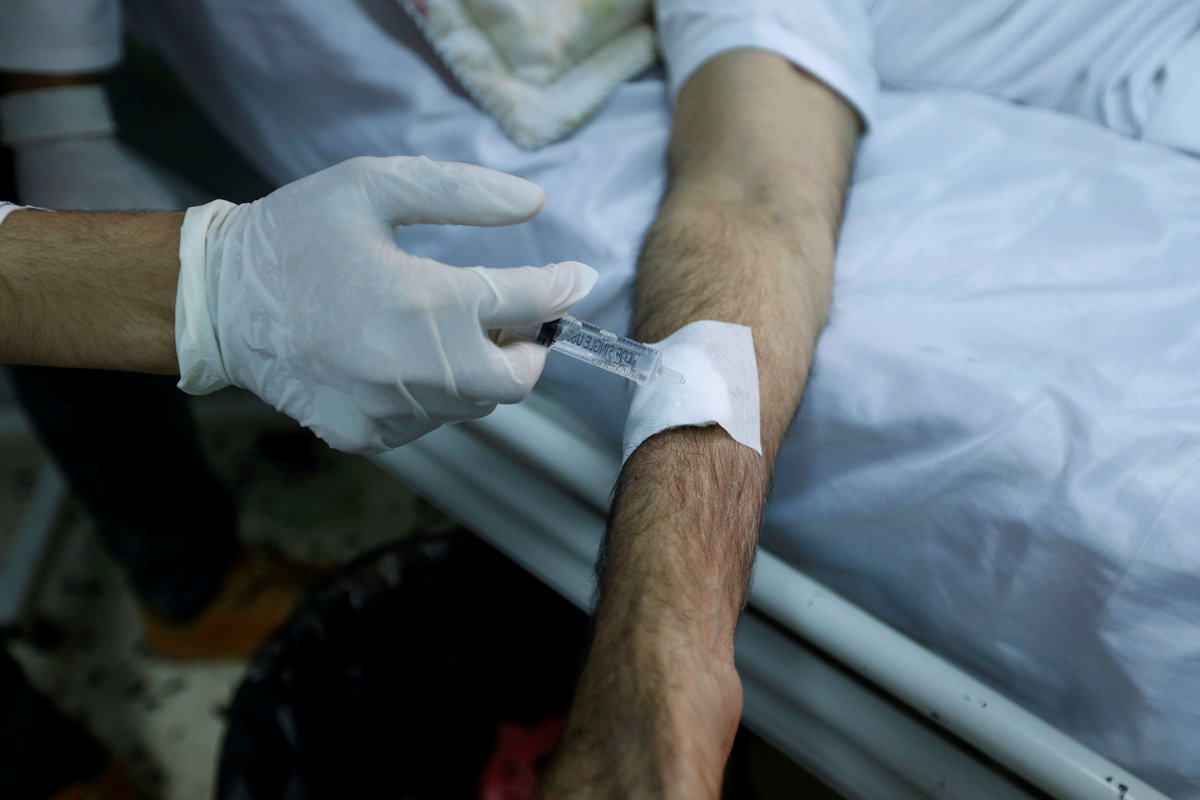
The center has been forced to turn to charities and private donors to keep operating.
"We have shortages in all treatments, first and foremost for chemotherapy. It all comes from donations," said Haweya Ahmed, a nurse and supervisor in the children's ward.
"One dose can cost 3,000 to 4,000 (Libyan dinars)," she said, an amount equivalent to between $2,170 and $2,900 at the official exchange rate.
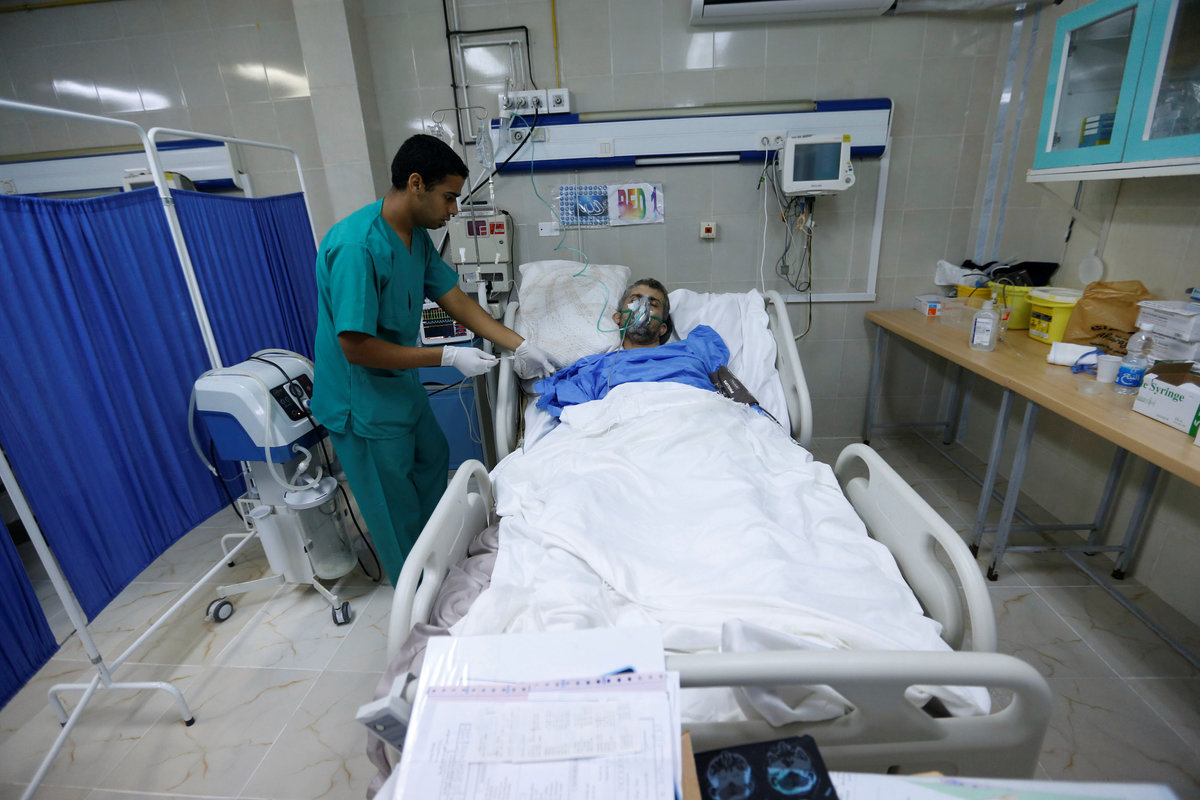
"Some patients come every 15 days, how will they afford this?"
Libya's conflict has left more than 1 million of its 6.5 million inhabitants in need of humanitarian assistance, according to the United Nations.
Oil revenues that account for almost all Libya's income have fluctuated and rival governments in the east and west of the country have largely failed to provide public services.
A liquidity crisis and fall in the value of the dinar on the parallel market have left Libyans struggling to pay for basic needs.
"It has become really expensive in pharmacies and impoverished citizens are even unable to buy a loaf of bread," said cancer patient Ali al-Qantary, who still had not given up on receiving proper state support.
"We hope the government provides the treatment that patients here need."
(Reporting by Ayman al-Sahli; Writing by Hend Kortam and Aidan Lewis; Editing by Robin Pomeroy)