Liberians grapple with potential loss of U.S. legal status
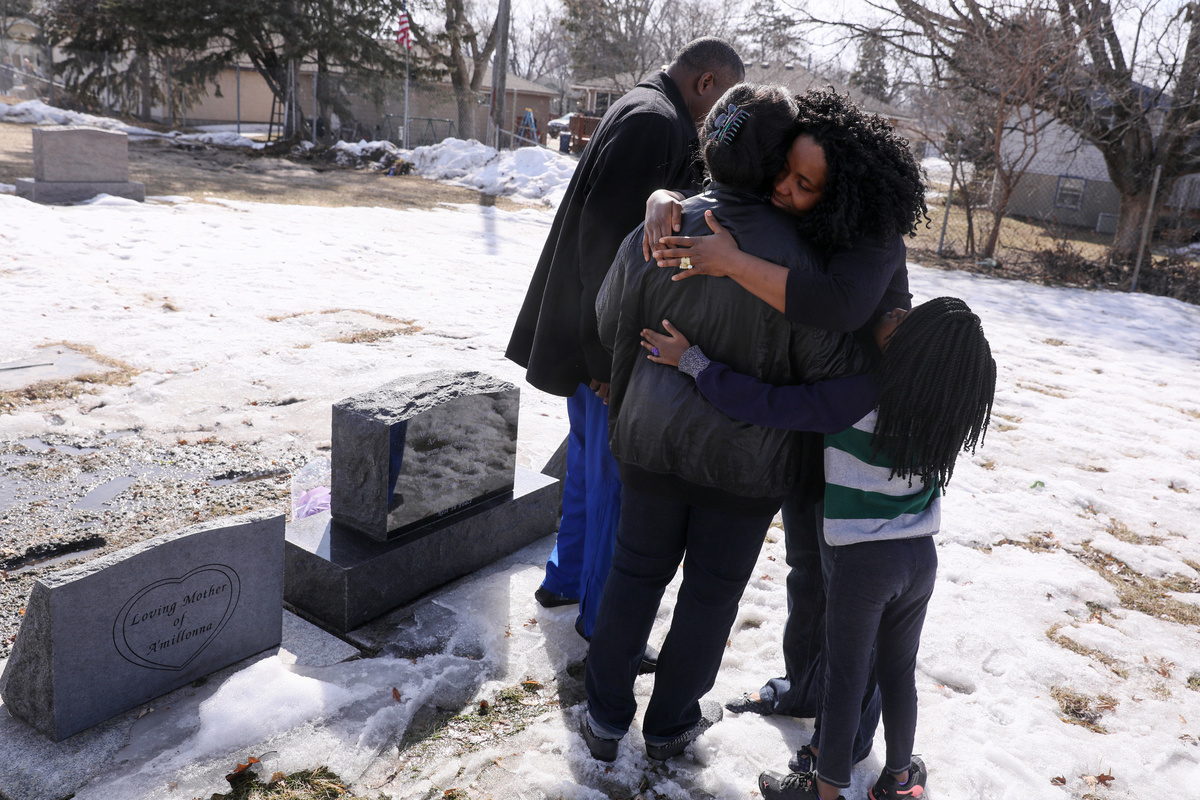
Liberian immigrant Harrietta Bettie visits her family gravesite at Mound Cemetery, which dates to 1862 but now also makes room for the graves of African and Asian immigrants, in Brooklyn Center, Minnesota, U.S., March 23, 2019. REUTERS/Jonathan Ernst
BROOKLYN PARK, Minn. (Reuters) - As snow blanketed African markets, churches and graves in Brooklyn Park, Minnesota, in February, members of the Liberian community were praying fervently that this would not be their last winter in the United States.
A form of immigration status known as Deferred Enforced Departure (DED) – which had protected the migrants from deportation and allowed them to work legally – was due to expire in March, meaning they would have had to leave the country voluntarily or be deported.
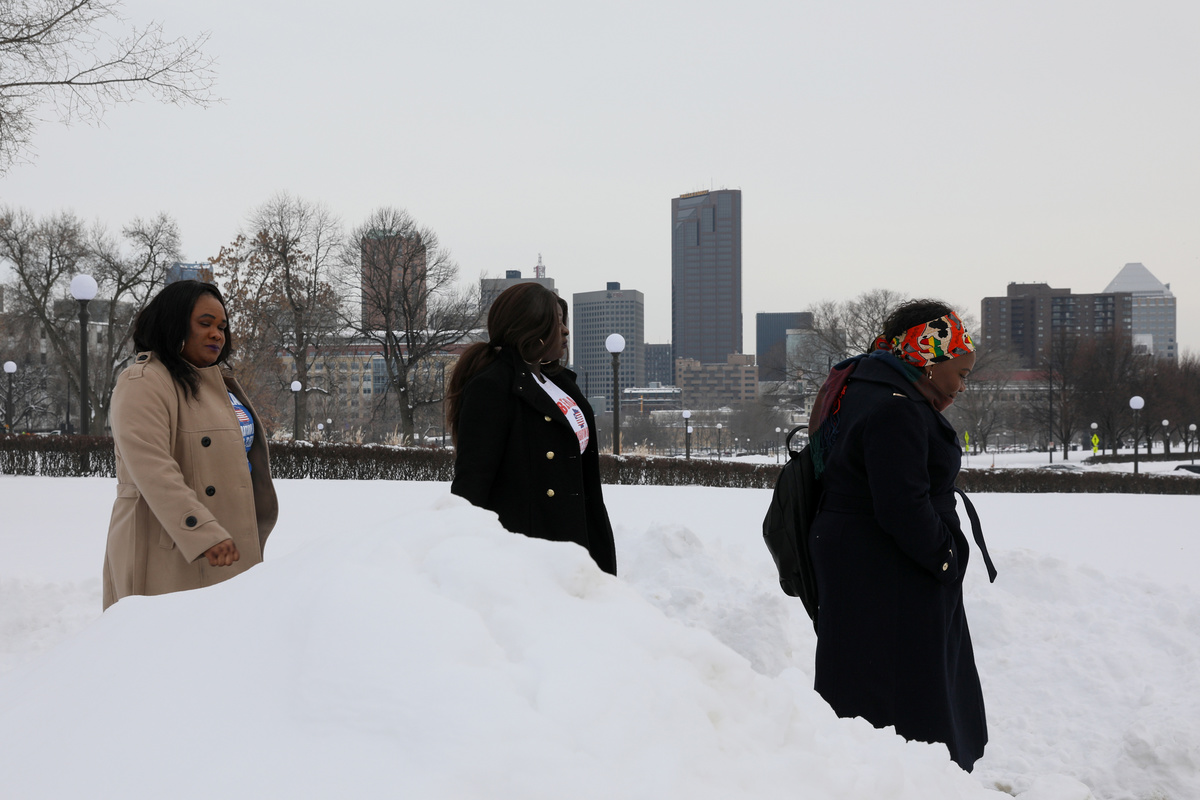
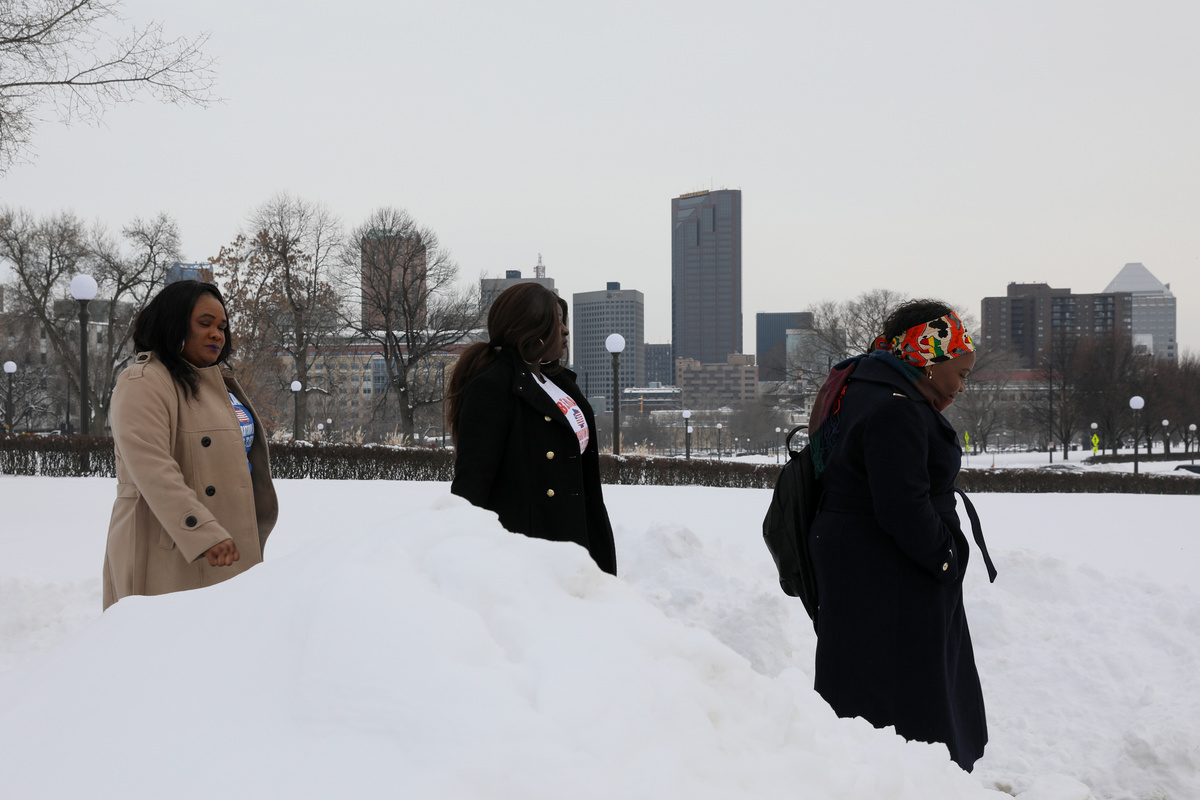
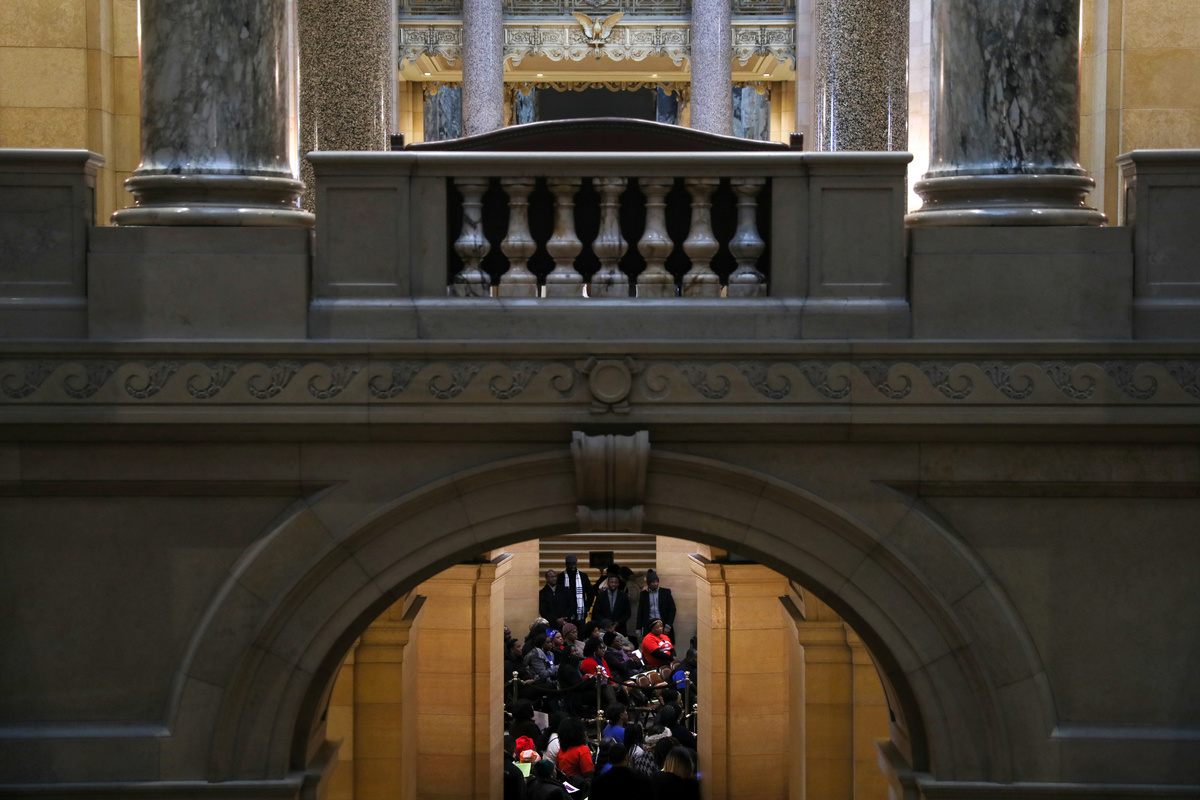
Women depart in the snow after a Deferred Enforced Departure (DED) rally at the Minnesota State Capitol in St. Paul, Minnesota, U.S., February 22, 2019. REUTERS/Jonathan Ernst
It was all part of the effort by President Donald Trump's administration to widen its crackdown on legal and illegal immigration to the United States.
Days before the March deadline, Trump granted Liberians a reprieve to last through March 30, 2020. Though relieved, community members recognised that the clock was simply reset for the thousands of Liberians who fled civil war and instability in their home country in the 1990s and early 2000s.
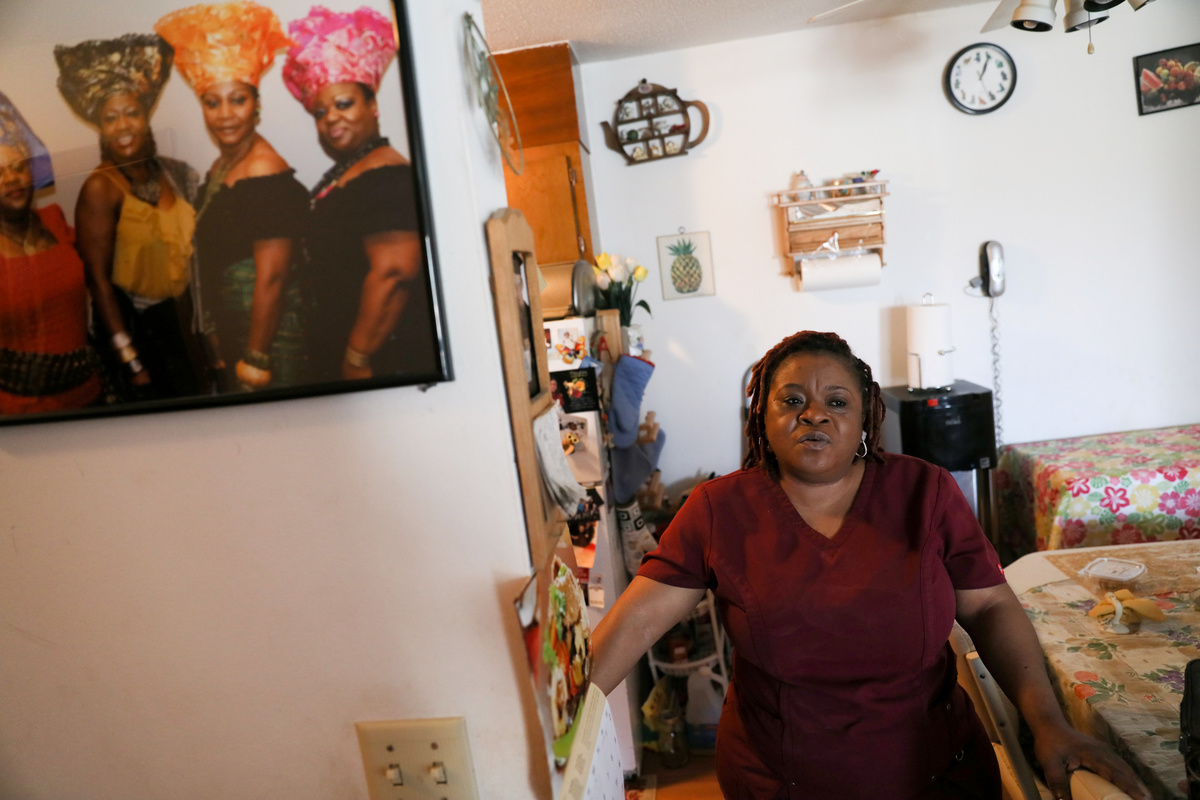
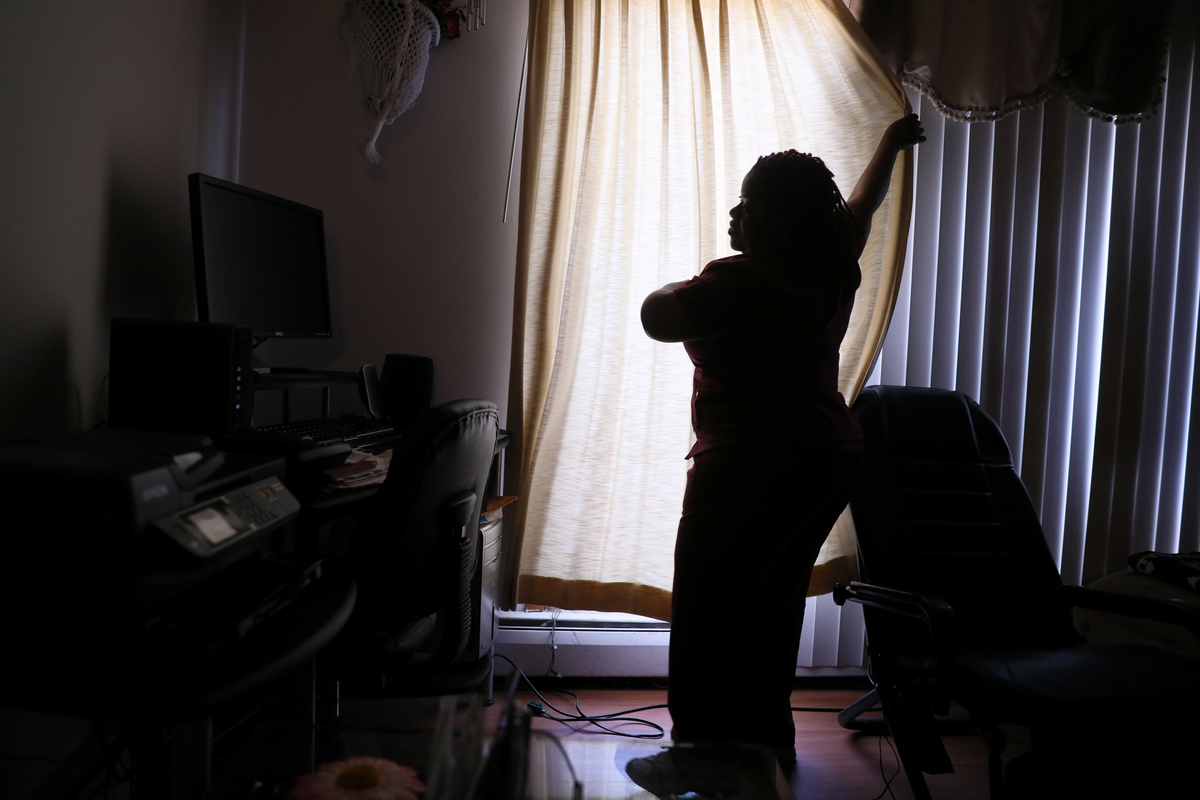
Marie Zar, 52, who has been in the United States for nearly two decades, holds DED status. Like many Liberians in Minnesota, she works in the healthcare industry. She's a nurse's assistant, who also picks up shifts at the local hospital as an interpreter for Liberian patients.
Women depart in the snow after a Deferred Enforced Departure (DED) rally at the Minnesota State Capitol in St. Paul, Minnesota, U.S., February 22, 2019. REUTERS/Jonathan Ernst
The money she makes supports nearly two dozen family members in Liberia. She said her family's lives will be upended if her DED status ends.
"My nieces are going to school from the money I make here," Zar said. "We don't know what's going to happen. We're not sure what's going to happen to us."
Famatta Zeon, 43, a local Liberian organizer with DED status, had worked furiously throughout winter to lobby the government and raise awareness of her community's plight.
Liberian immigration activist Erasmus Williams drives to a meeting at the State Capitol the day after the Deferred Enforced Departure (DED) status was extended for a year by the Trump administration, in Minneapolis, Minnesota, U.S., March 29, 2019. REUTERS/Jonathan Ernst
"There are some families who have been here 23, 25 years on this status," she said. "We've worked here, we've paid our taxes, we have homes here. We don't want our children to be put in the system here. We have tried our honest best to work here and not be dependent on the system."
But Zeon lamented: "He's the only one that can put that gavel down," referring to President Donald Trump. "Give us ... a clear pathway to citizenship. We're taxpayers, we're not problems."
See related photo essay here: https://reut.rs/2YpQSY8
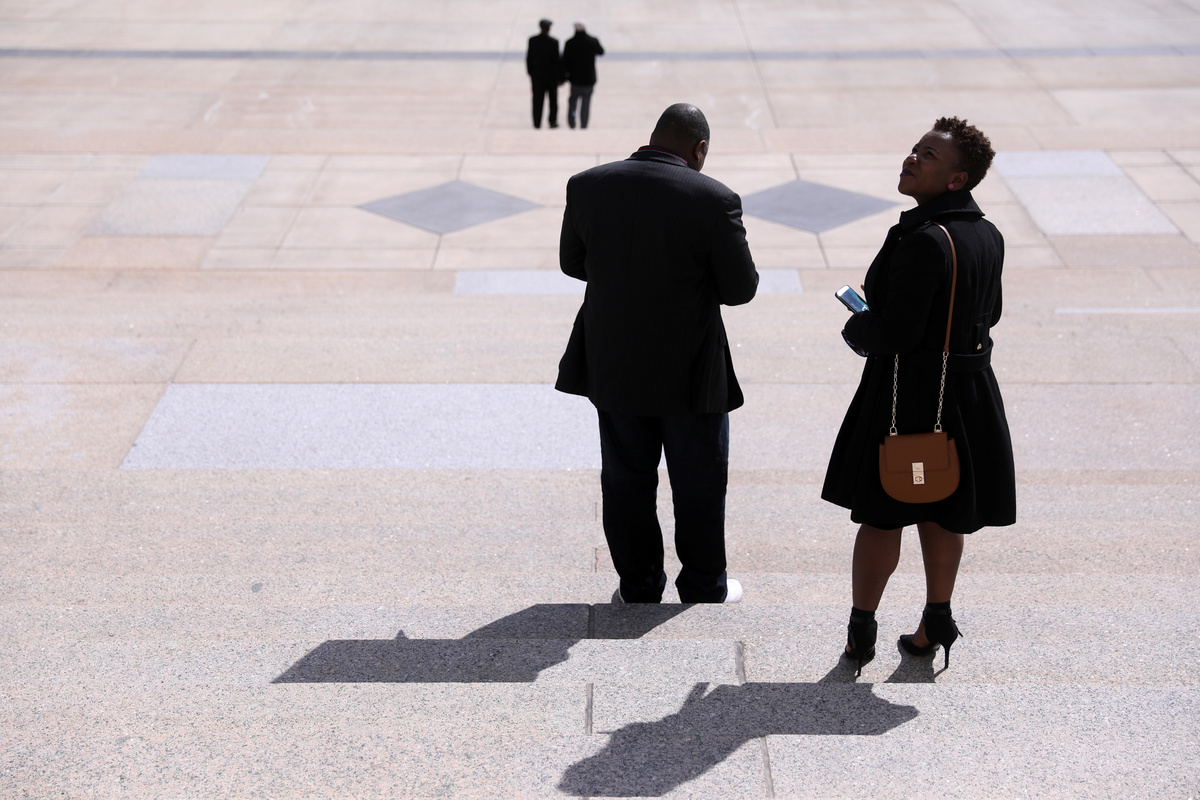
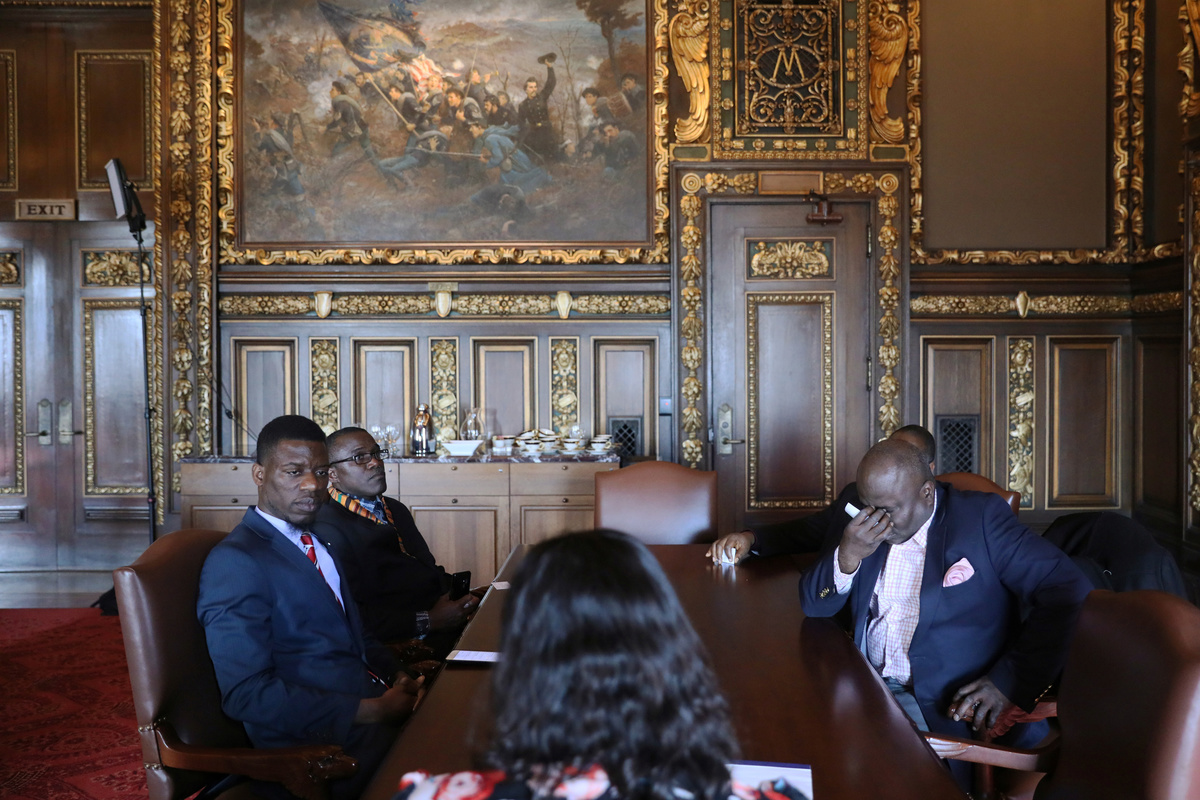
Liberian immigration activists depart after their meeting with Minnesota Governor Tim Walz was cancelled, the day after the DED (Deferred Enforced Departure) status was extended for one year by the Trump administration, at the State Capitol in St. Paul, Minnesota, U.S., March 29, 2019. REUTERS/Jonathan Ernst
(Reporting by Jonathan Ernst in Brooklyn Park, Minnesota; additional reporting by Yeganeh Torbati in Washington; editing by Diane Craft)
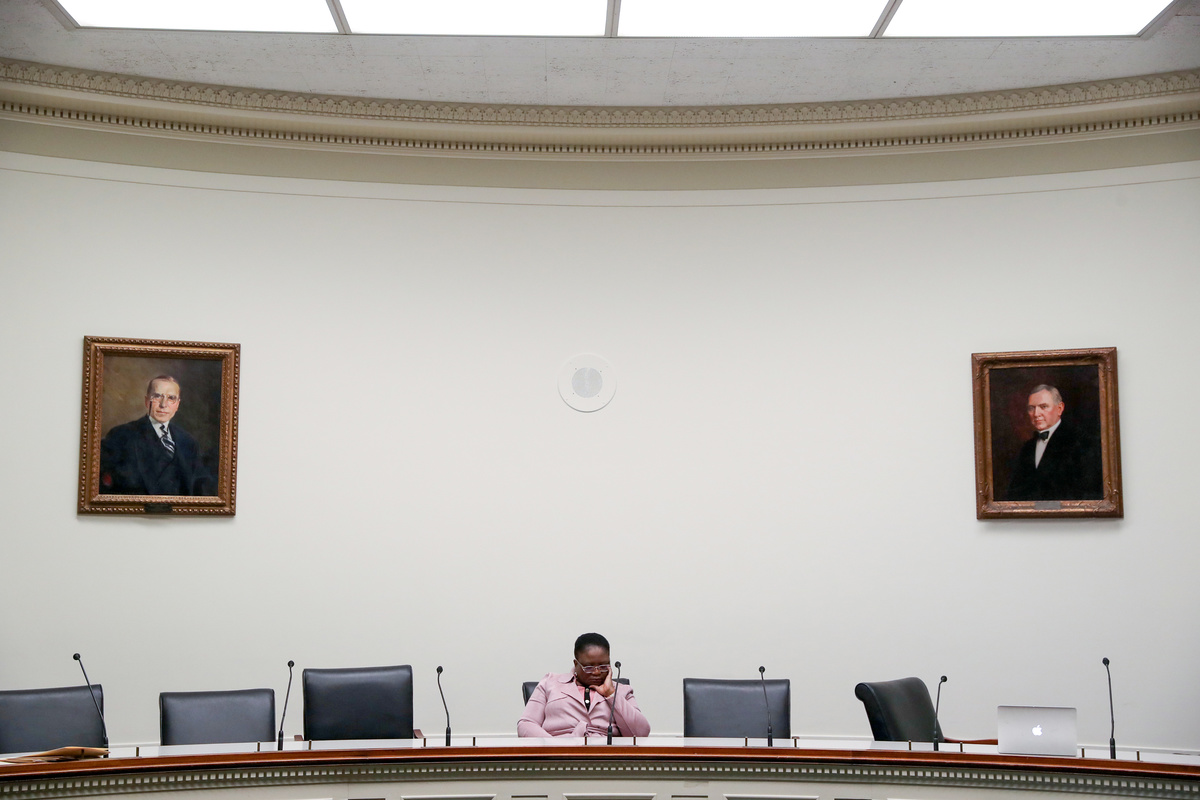
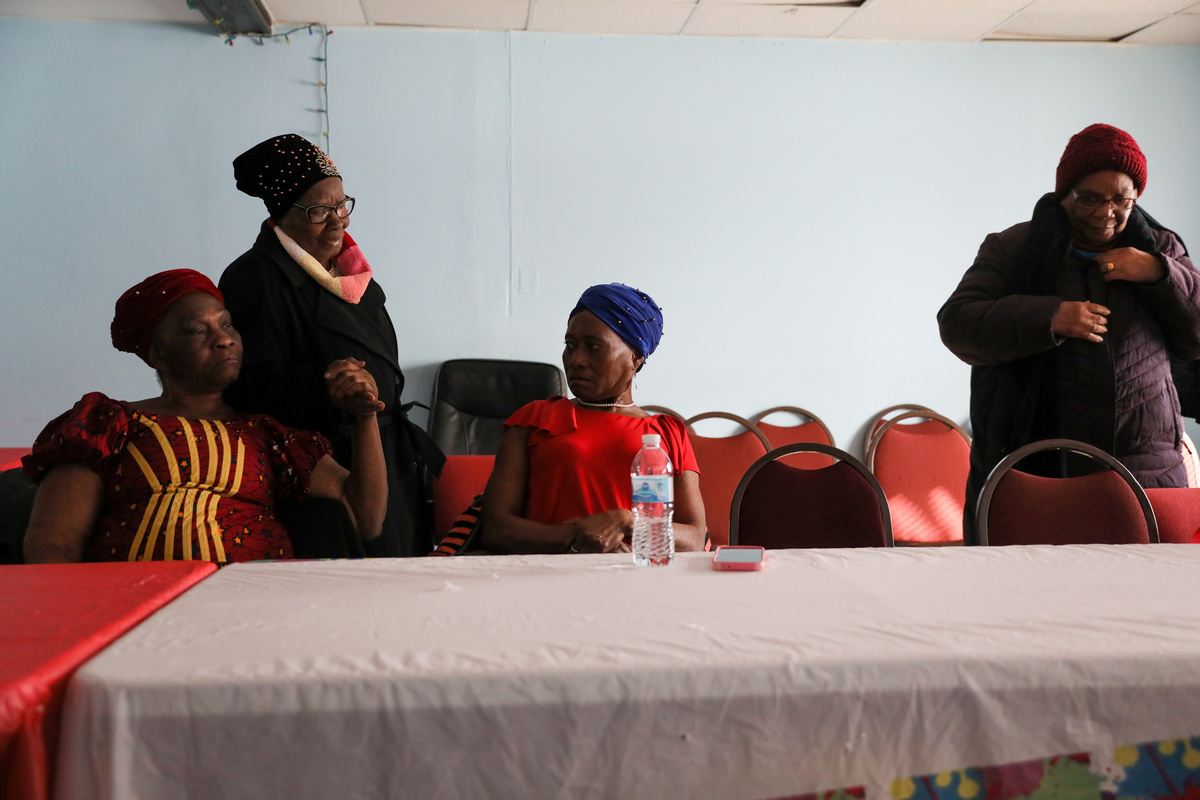
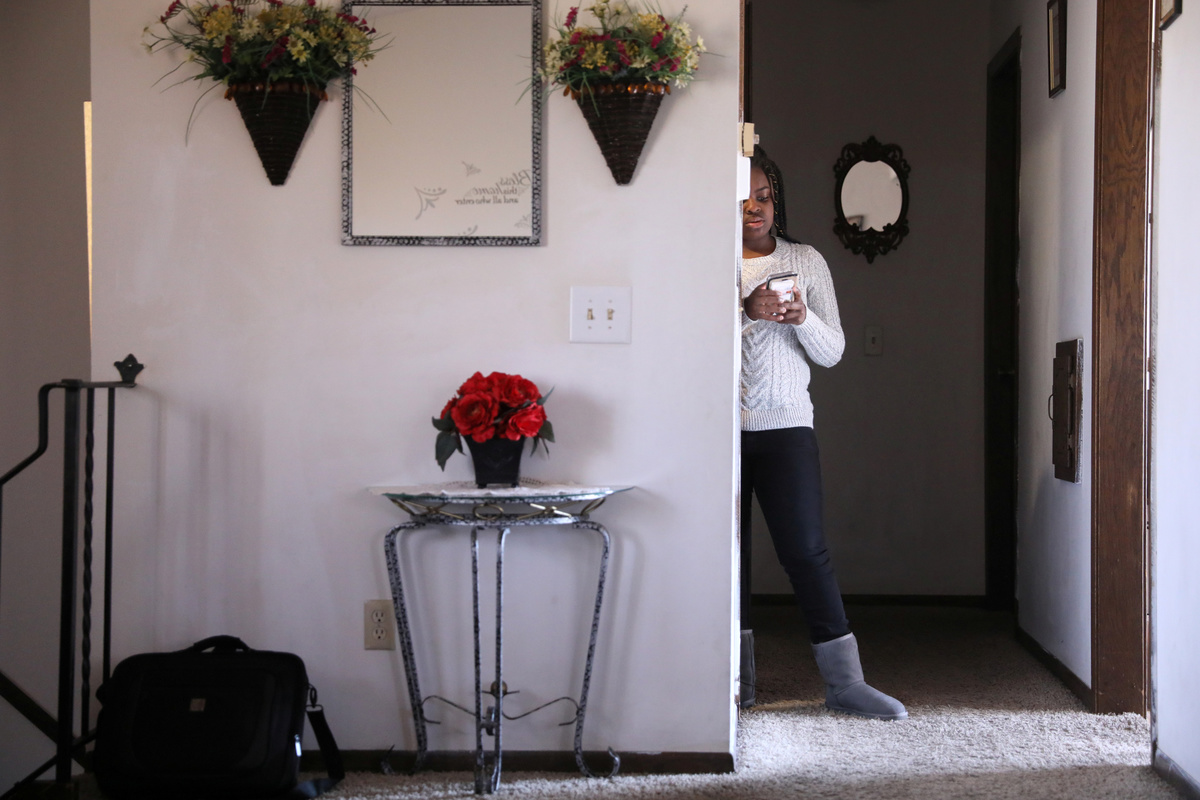
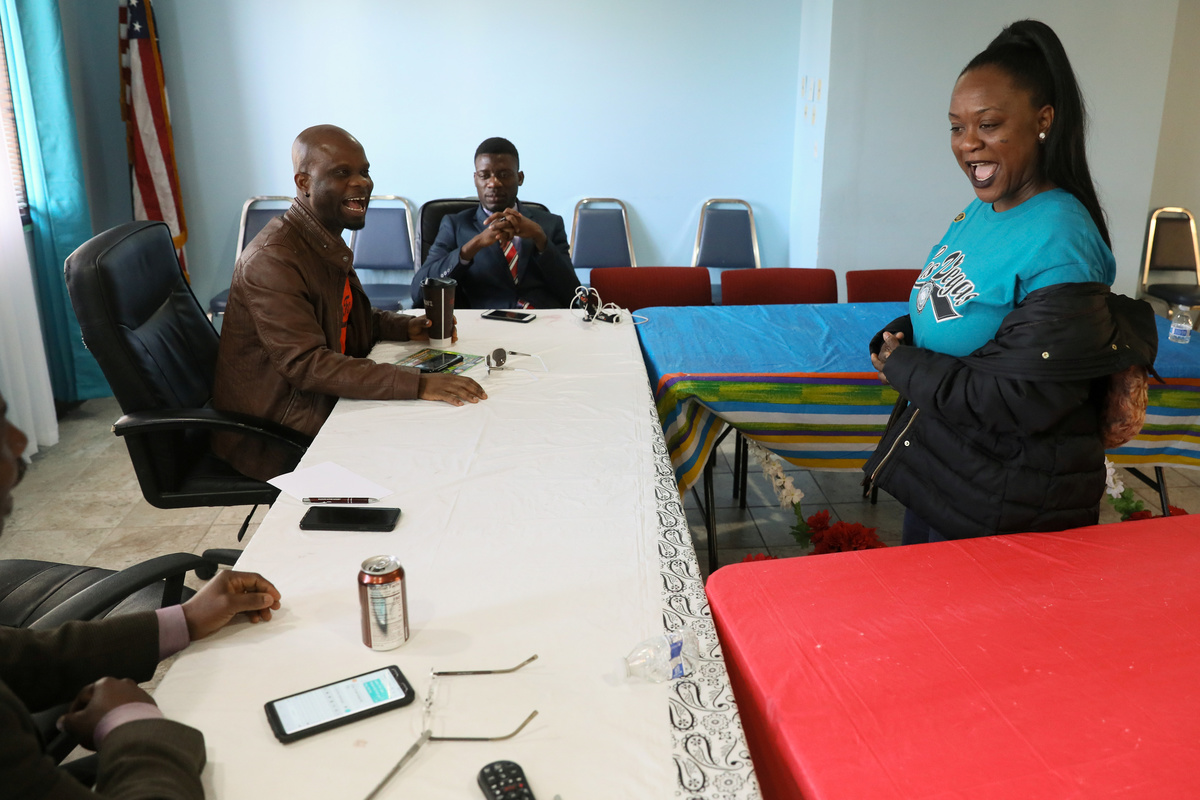
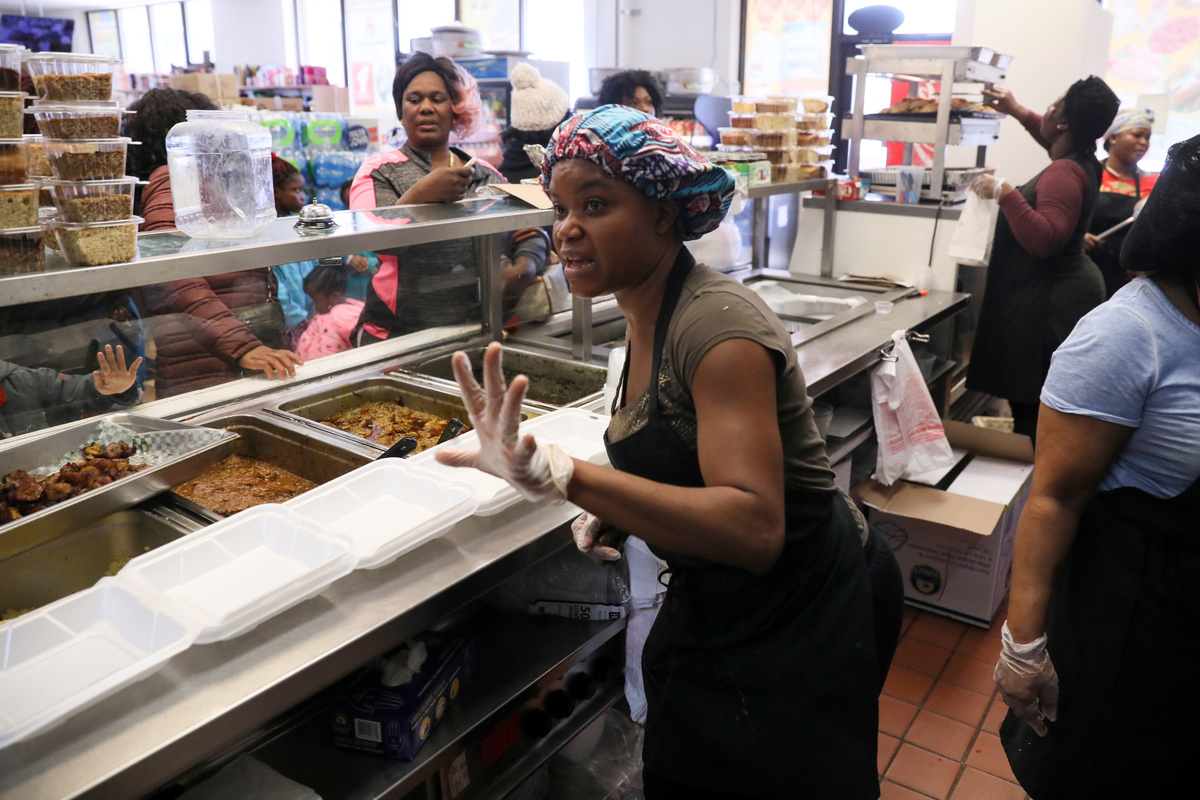
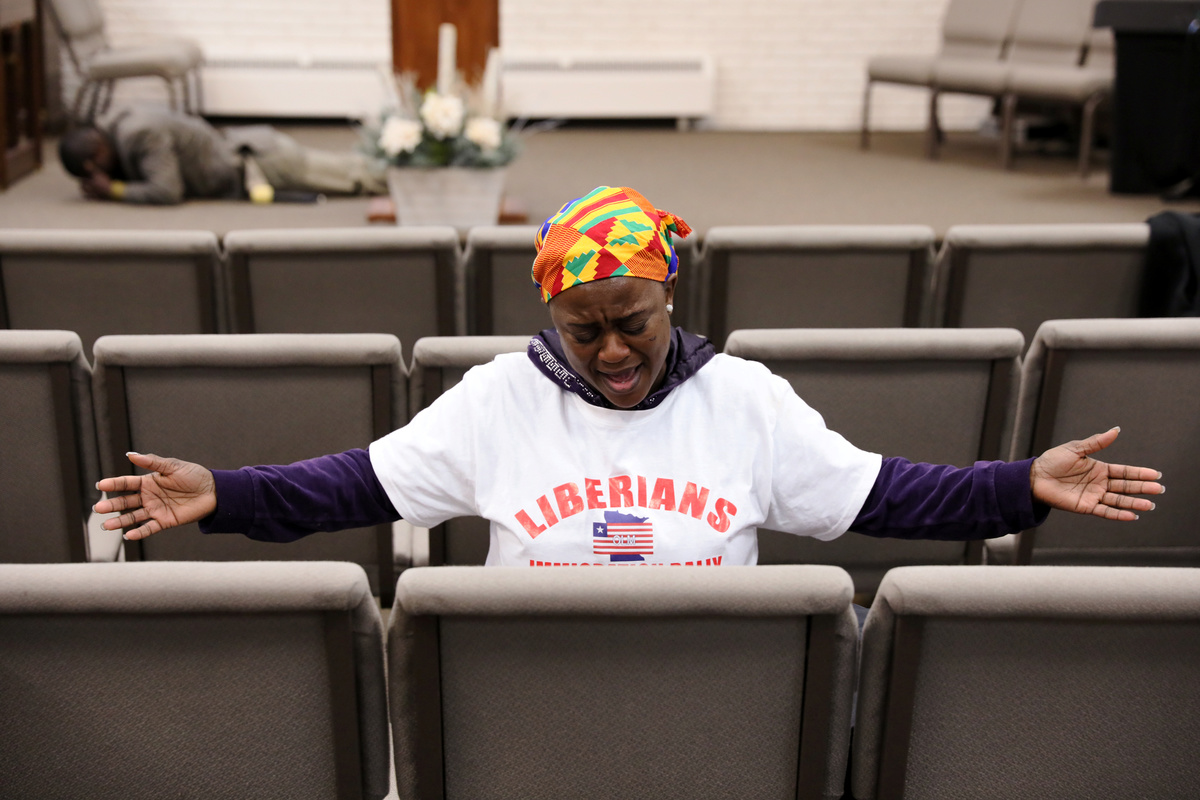
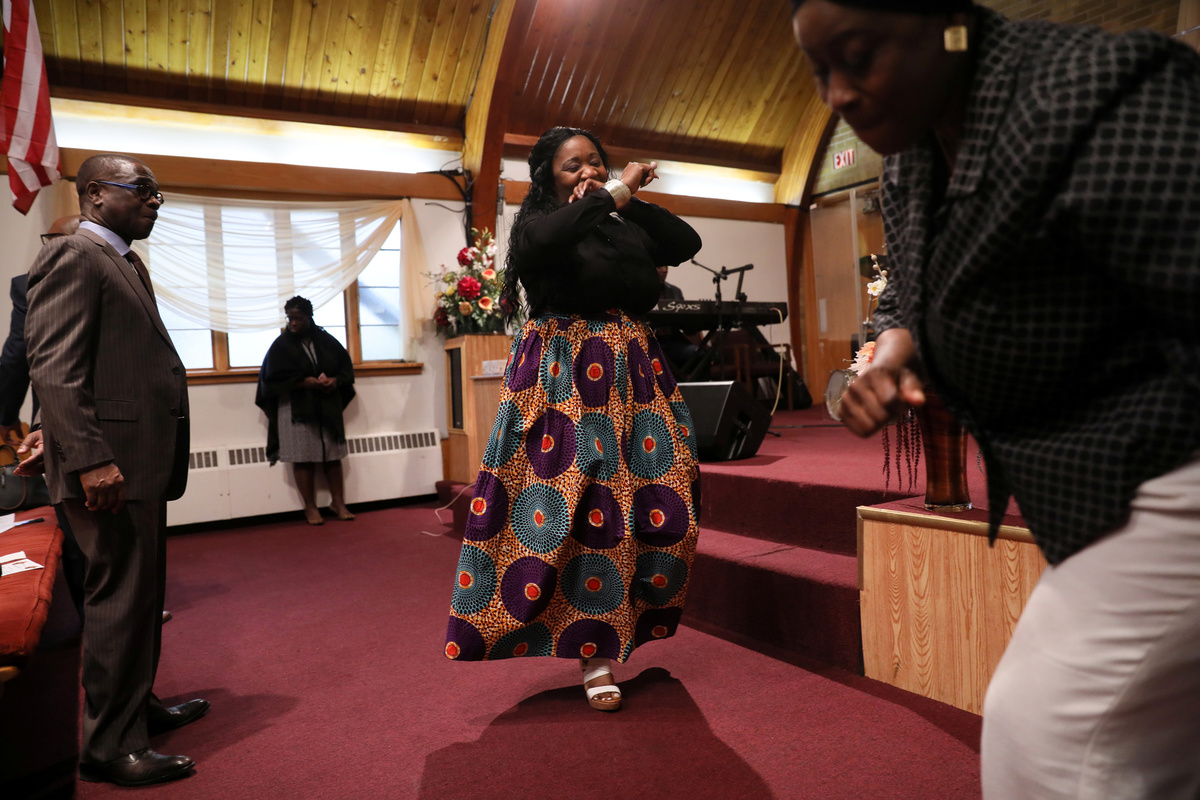
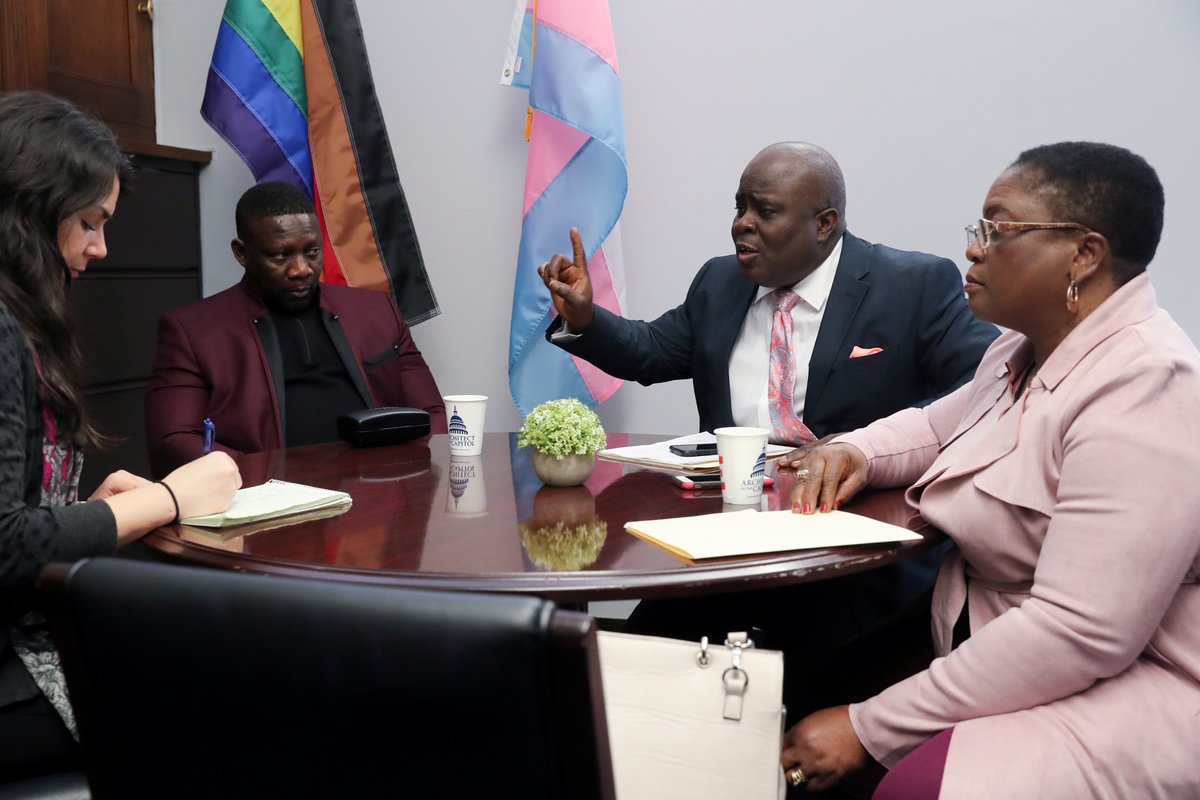
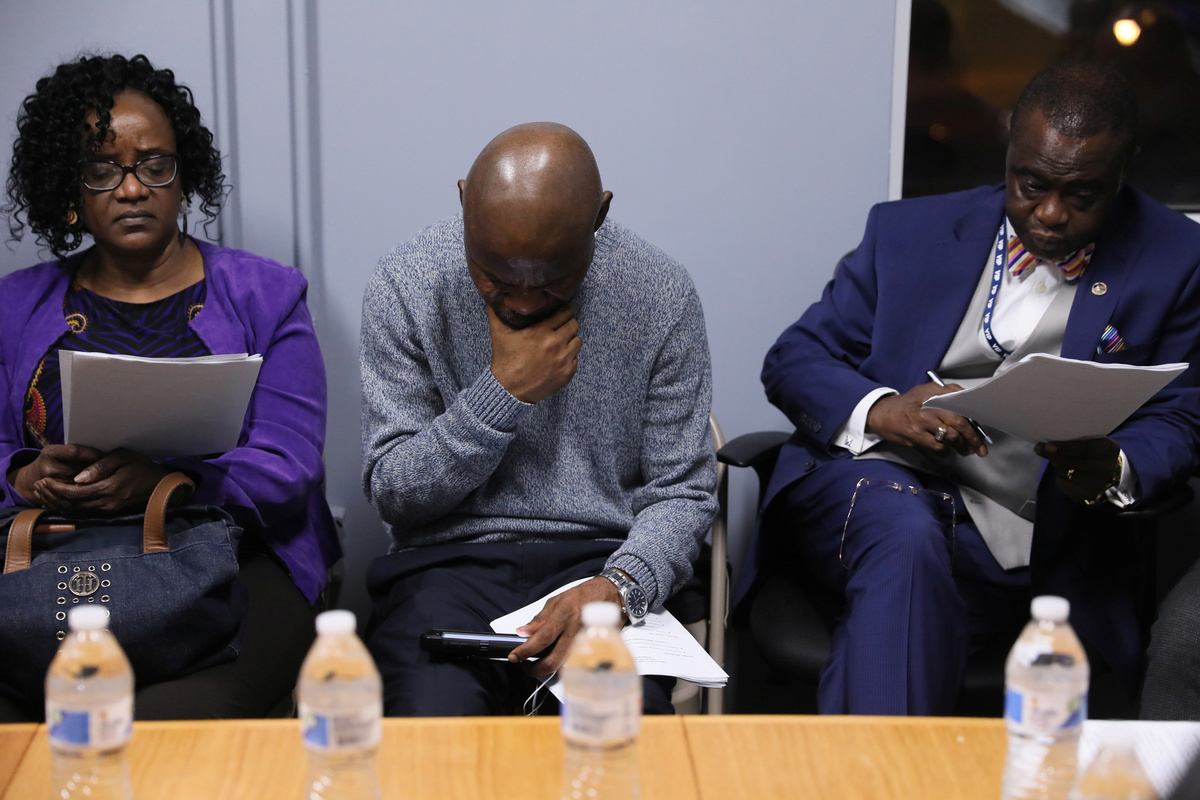
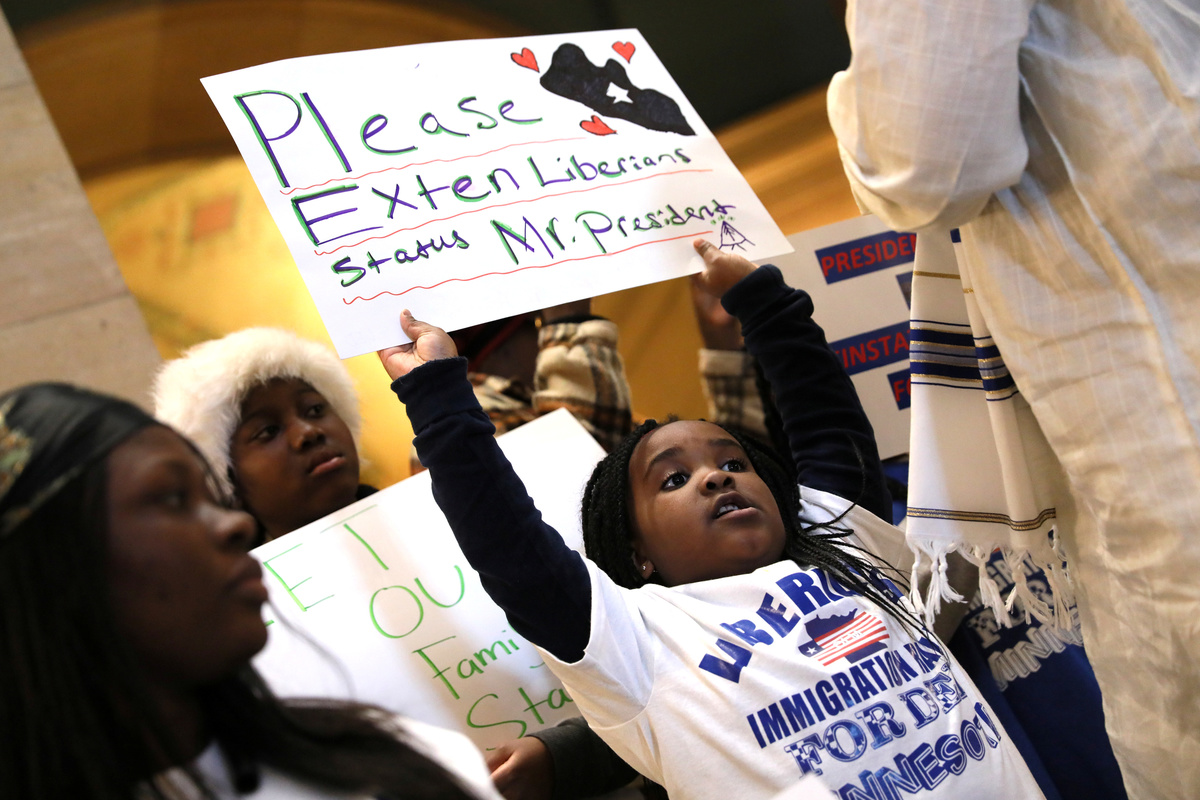
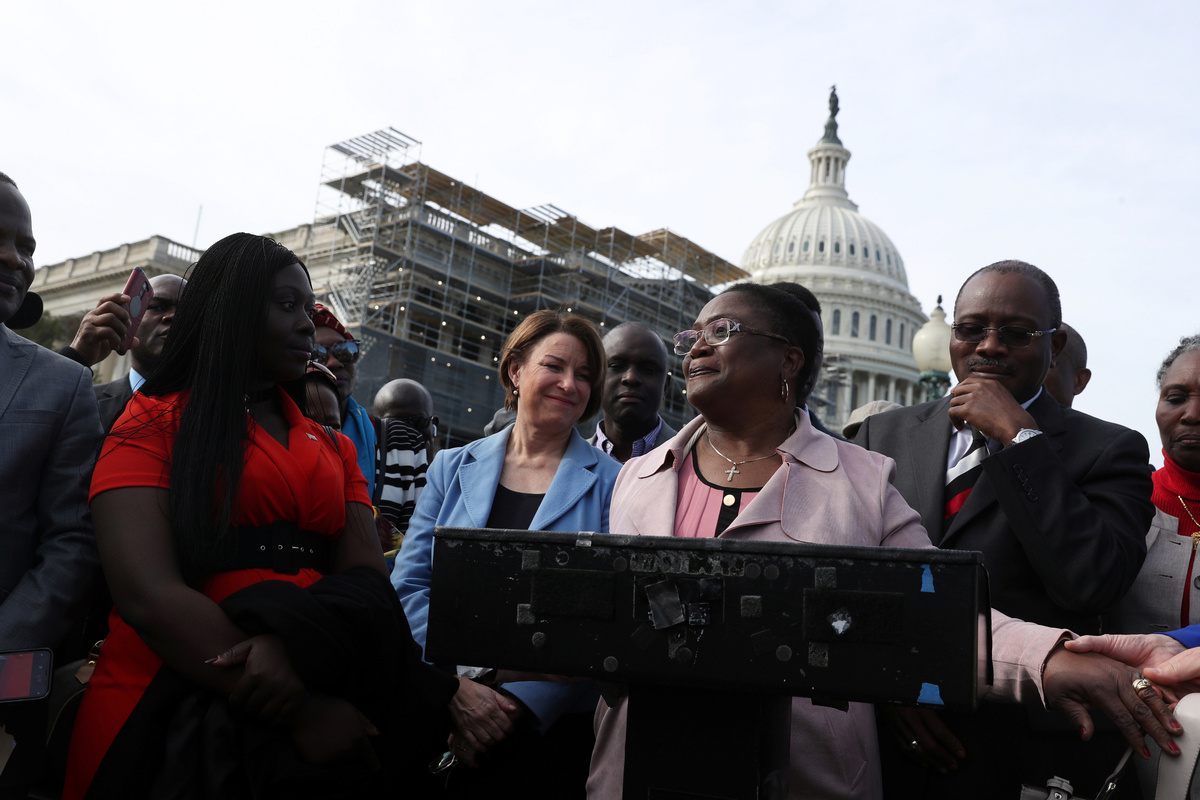
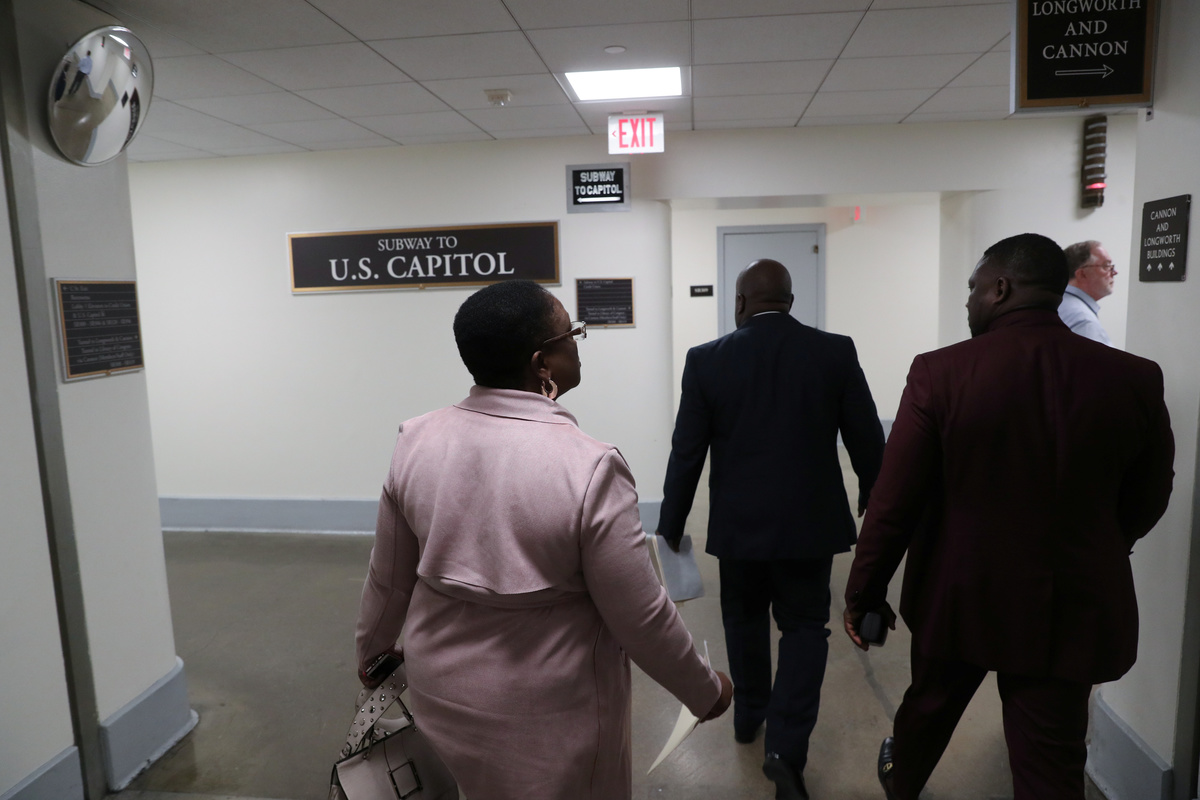
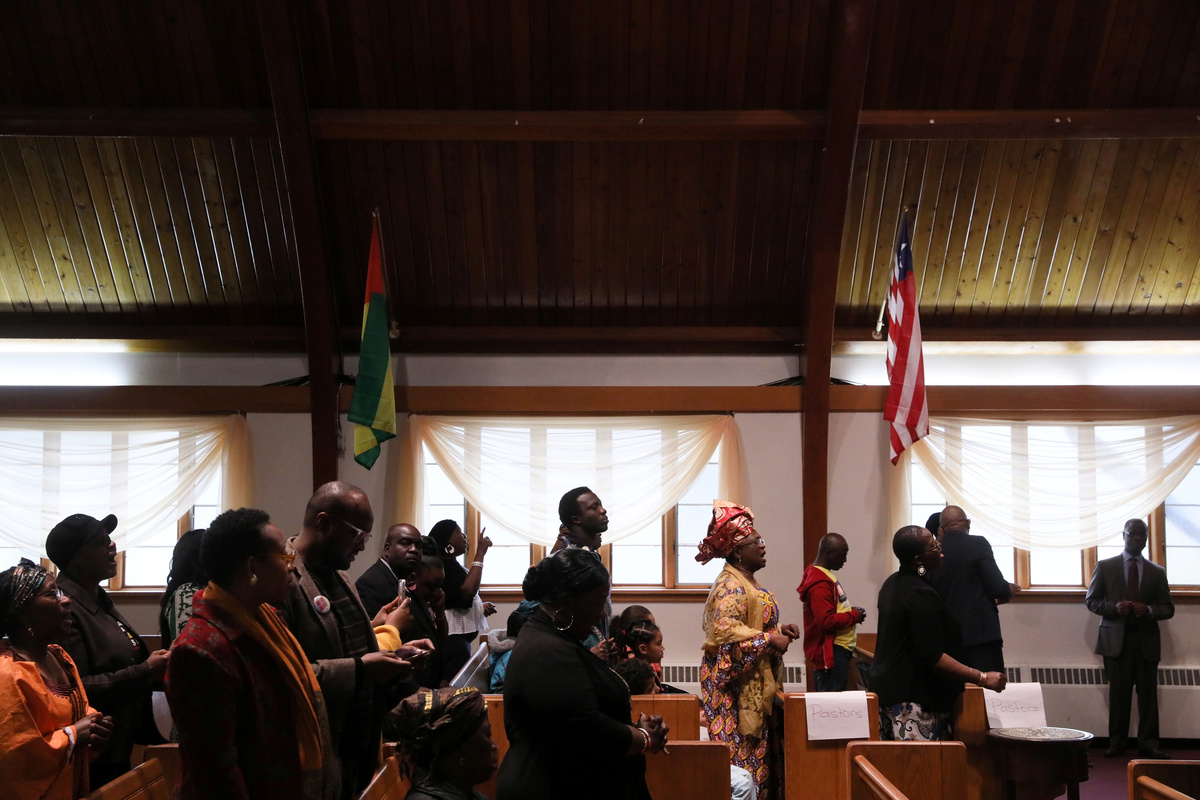
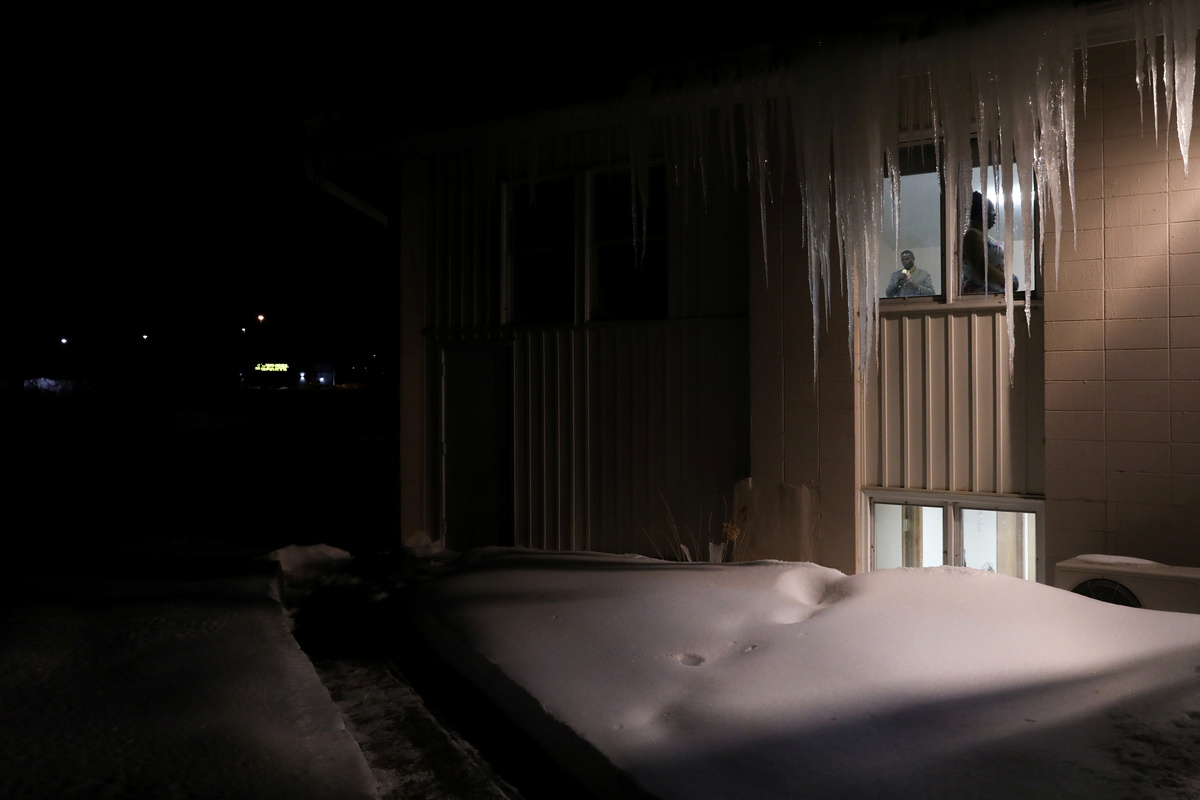
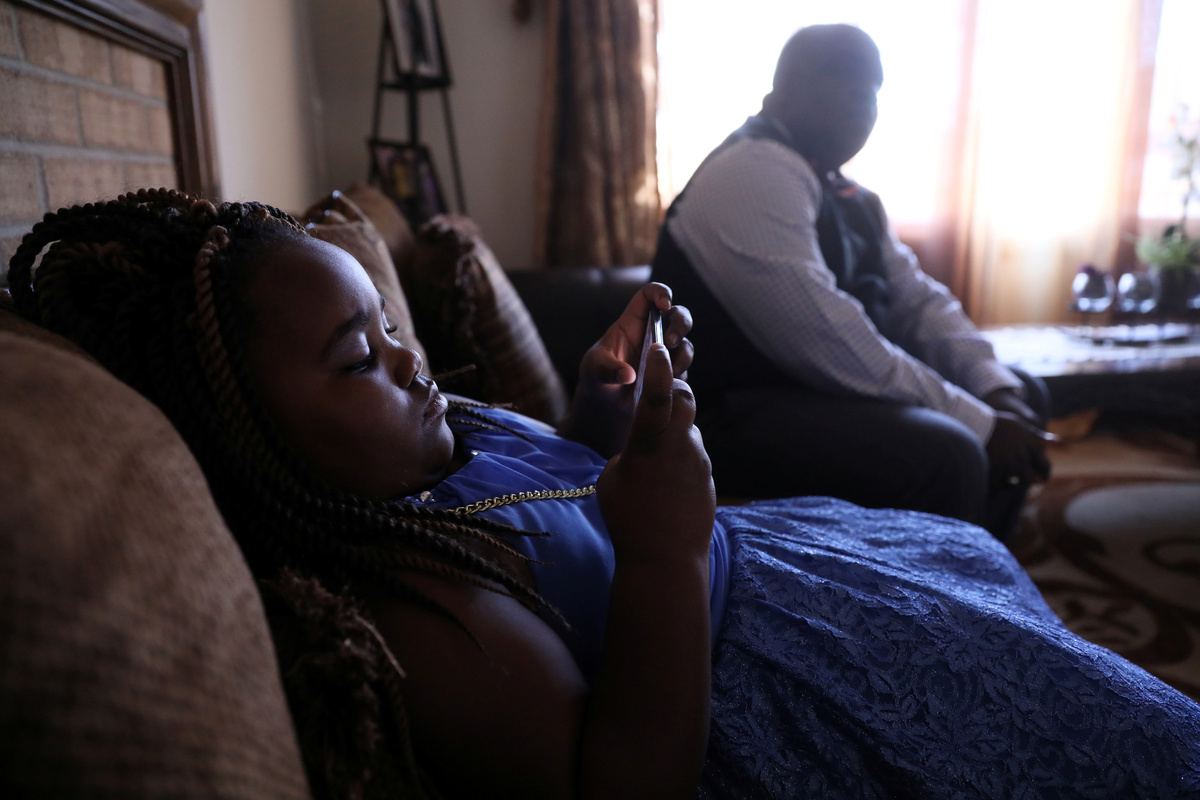
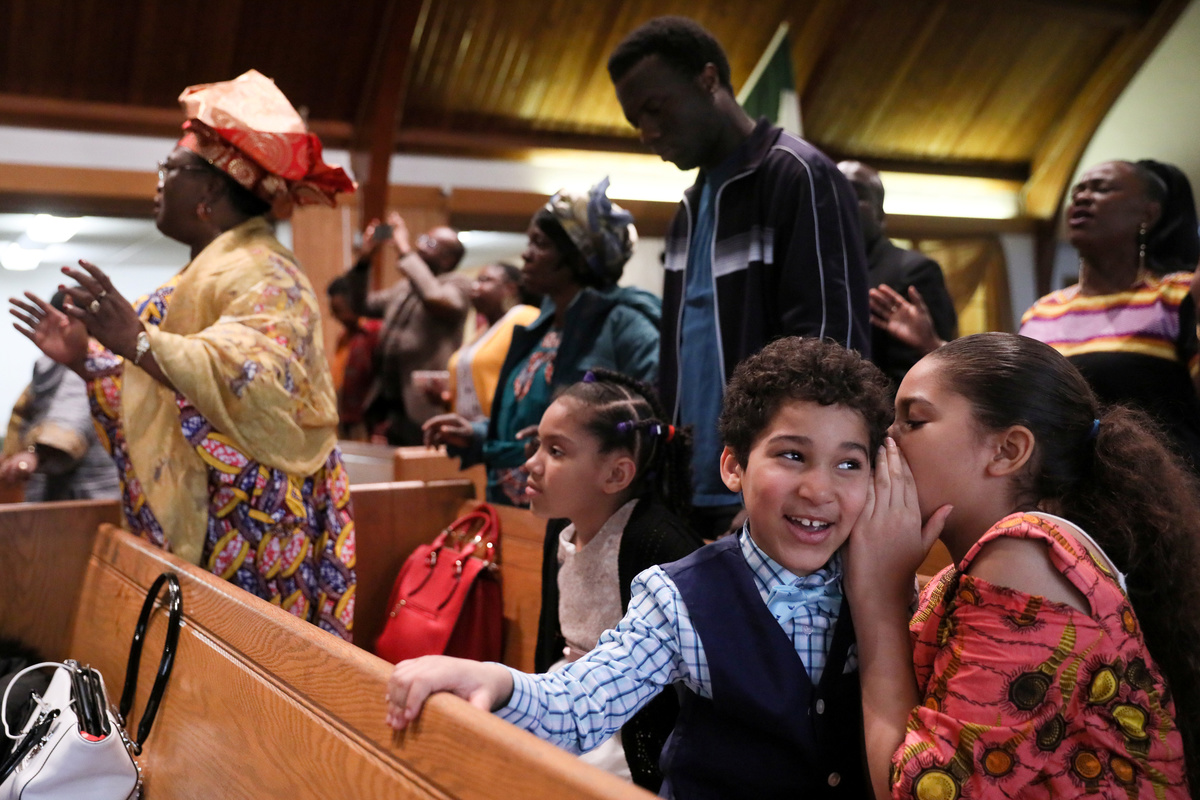
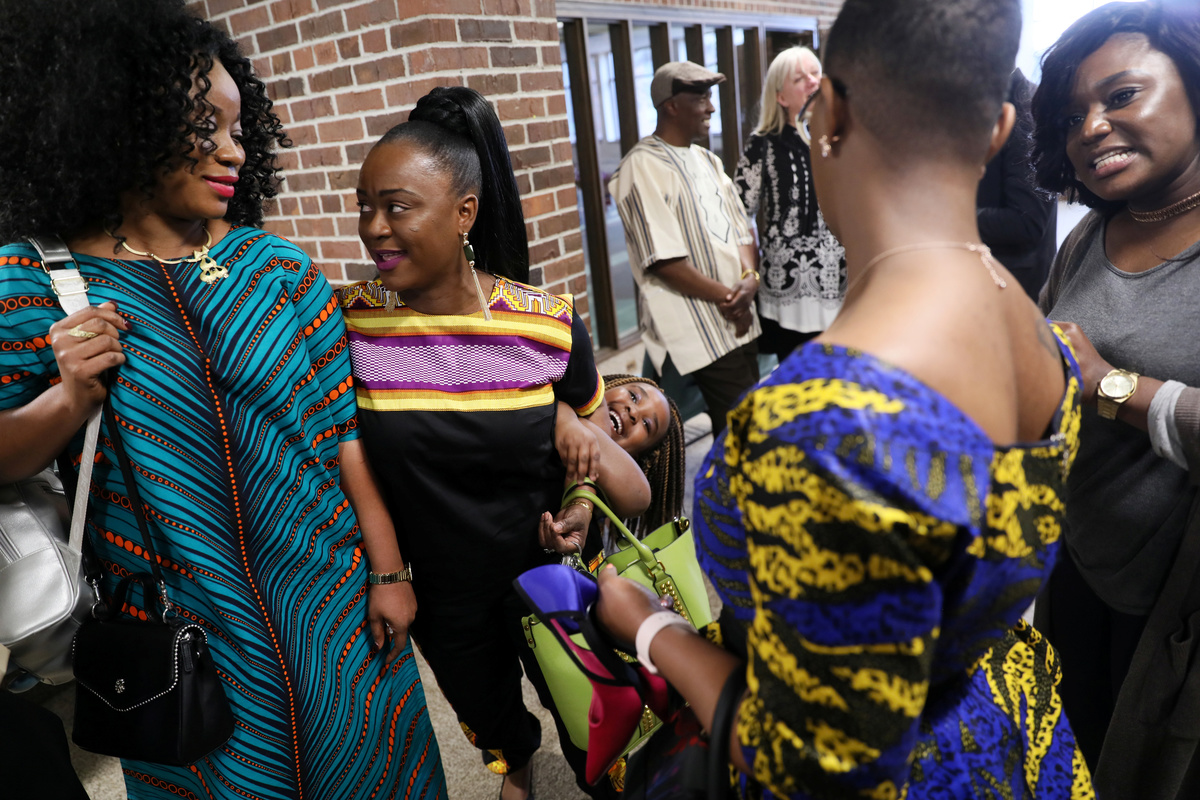
Deferred Enforced Departure (DED) status holders and their supporters hold a DED rally at the Minnesota State Capitol in St. Paul, Minnesota, U.S., February 22, 2019. REUTERS/Jonathan Ernst A U.S. flag tops a noise barrier wall along an interstate highway in Brooklyn Park, Minnesota, U.S. March 24, 2019. REUTERS/Jonathan ErnstDeferred Enforced Departure (DED) status holder Annie Yonly sits in a congressional hearing room as Liberian activists gather on Capitol Hill before lobbying members of Congress in Washington, U.S., March 14, 2019. REUTERS/Jonathan Ernst Liberian immigration activists, led by Erasmus Williams, Pastor Francis Tabla and Kamaty Diahn ask staff members why their meeting with Minnesota Governor Tim Walz was cancelled, the day after the DED (Deferred Enforced Departure) status was extended for one year by the Trump administration, at the State Capitol in St. Paul, Minnesota, U.S., March 29, 2019. REUTERS/Jonathan Ernst Liberian women greet one another during their weekly Senior Day at the Organization of Liberians in Minnesota community centre in Brooklyn Park, Minnesota, U.S., February 13, 2019. REUTERS/Jonathan Ernst Gabrielle Zeon, a U.S. citizen by birth whose parents are Deferred Enforced Departure (DED) status holders, waits to go to church on the Sunday morning after her DED status was extended in Brooklyn Park, Minnesota, U.S., March 31, 2019. REUTERS/Jonathan Ernst People order Liberian stews for lunch at the Africa International Market in the Liberian immigrant enclave of Brooklyn Park, MN, U.S., March 30, 2019. REUTERS/Jonathan Ernst Deferred Enforced Departure (DED) status holder and Liberian community activist Famatta Zeon jokes with fellow community leaders before an Organization of Liberians in Minnesota board meeting in their community centre in Brooklyn Park, Minnesota, U.S., March 29, 2019. REUTERS/Jonathan ErnstWorkers handle the lunchtime rush at the Africa International Market in the Liberian immigrant enclave of Brooklyn Park, MN, U.S., March 30, 2019. REUTERS/Jonathan Ernst Deferred Enforced Departure (DED) status holder and Liberian community activist Famatta Zeon prays during a DED prayer service in Brooklyn Center, Minnesota, U.S., February 22, 2019. REUTERS/Jonathan Ernst Deferred Enforced Departure (DED) status holders and supporters dance during a thanksgiving service on Sunday after the DED status was extended, meaning they were not in immediate danger of family separation, in Robbinsdale, Minnesota, U.S., March 31, 2019. REUTERS/Jonathan Ernst DED (Deferred Enforced Departure) status holder Annie Yonly sits with fellow Liberian activists Kamaty Diahn and Pastor Moses Punni as they lobby a congressional staff member on Capitol Hill in Washington, U.S., March 14, 2019. REUTERS/Jonathan Ernst Under a painting depicting the U.S. Civil War, Liberian immigration activists Erasmus Williams and Kamaty Diahn learn that their scheduled meeting with Minnesota Governor Tim Walz was cancelled, the day after the DED (Deferred Enforced Departure) status was extended for one year by the Trump administration, at the State Capitol in St. Paul, Minnesota, U.S., March 29, 2019. REUTERS/Jonathan Ernst National Deferred Enforced Departure (DED) activists meet the night before lobbying members of Congress in Washington, U.S., March 13, 2019. REUTERS/Jonathan Ernst Grace Zeon, whose parents are Deferred Enforced Departure (DED) status holders, holds a sign at the DED rally at the Minnesota State Capitol in St. Paul, Minnesota, U.S., February 22, 2019. REUTERS/Jonathan Ernst Deferred Enforced Departure (DED) status holder Annie Yonly, flanked by U.S. presidential candidate Senator Amy Klobuchar (D-MN), becomes emotional as she addresses Liberian activists as they rally outside of the U.S. Capitol after a day spent lobbying members of Congress in Washington, U.S., March 14, 2019. REUTERS/Jonathan Ernst Deferred Enforced Departure (DED) status holder Annie Yonly and fellow Liberian activists walk to offices on Capitol Hill to lobby members of Congress in Washington, U.S., March 14, 2019. REUTERS/Jonathan Ernst Deferred Enforced Departure (DED) status holder Marie Zar prepares for work the day after U.S. President Donald Trump granted a one-year extension of her immigration status, in Brooklyn Center, Minnesota, U.S., March 29, 2019. REUTERS/Jonathan Ernst Deferred Enforced Departure (DED) status holders and supporters attend a thanksgiving service on Sunday, after the DED status was extended, meaning they were not in immediate danger of family separation, in Robbinsdale, Minnesota, U.S., March 31, 2019. REUTERS/Jonathan Ernst Deferred Enforced Departure (DED) status holders and supporters hold a DED prayer service at Christian Life Center in Brooklyn Center, Minnesota, U.S., February 22, 2019. REUTERS/Jonathan Ernst Deferred Enforced Departure (DED) status holder Marie Zar closes the curtains at her apartment before she leaves for work the day after U.S. President Donald Trump granted a one-year extension of her immigration status, in Brooklyn Center, Minnesota, U.S., March 29, 2019. REUTERS/Jonathan Ernst Grace Zeon, a U.S. citizen by birth whose parents are Deferred Enforced Departure (DED) status holders, plays a game on her father's phone as she waits to go to church the Sunday morning after her DED status was extended in Brooklyn Park, Minnesota, U.S., March 31, 2019. REUTERS/Jonathan Ernst Deferred Enforced Departure (DED) status holder Annie Yonly attends a thanksgiving service with her children, who are U.S. citizens, on Sunday after her DED status was extended, meaning they were not in immediate danger of family separation, in Robbinsdale, Minnesota, U.S., March 31, 2019. REUTERS/Jonathan Ernst Deferred Enforced Departure (DED) status holder and Liberian community activist Famatta Zeon, with her daughter Grace, visits Brooklyn United Methodist Church to thank the congregants for their support on the Sunday morning after the DED status was extended in Brooklyn Center, Minnesota, U.S., March 31, 2019. REUTERS/Jonathan Ernst
Sign up to read this article
Read news from 100’s of titles, curated specifically for you.