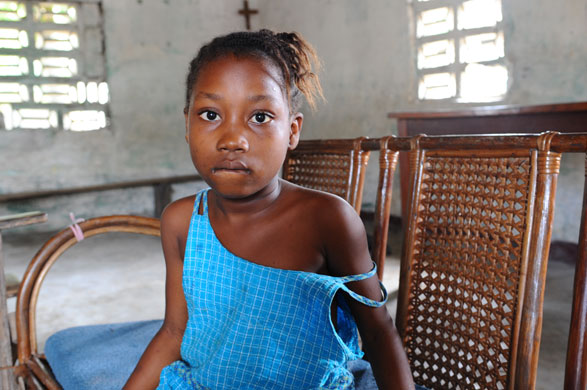
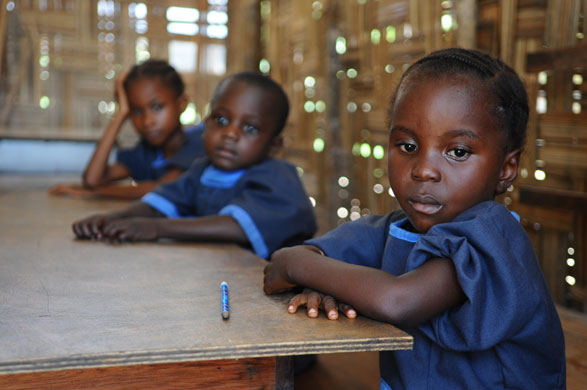
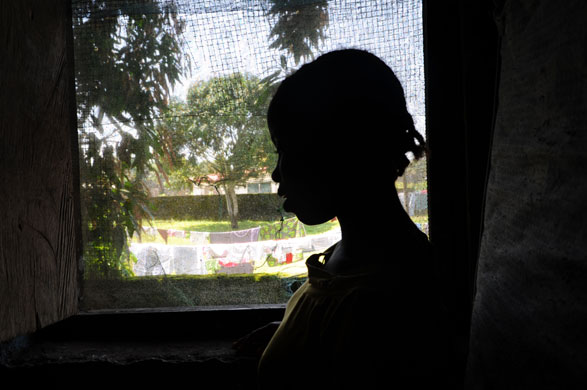
A new report from Save the Children reveals that in many countries four out of five children living in ‘orphanages’ still have a living parent. Photograph: Rachel Palmer/Save the Children/guardian.co.ukIn Liberia, 88% of children living in orphanages have one or both parents still alive. Rosana*, 9, says her parents wanted her to have a good education. Because they are poor and couldn’t afford to send her to school she’s ended up in this orphanage on the outskirts of Monrovia. *name changed Photograph: Rachel Palmer/Save the Children/guardian.co.ukFamilies often feel that the only way they can provide their children with an education is to put them in an orphanage. Many orphanages provide the only source of free education in communities, creating a significant pull factor to families wanting to give their children an education.Photograph: Rachel Palmer/Save the Children/guardian.co.uk
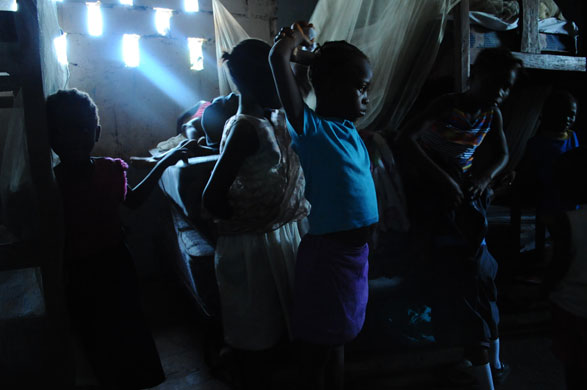
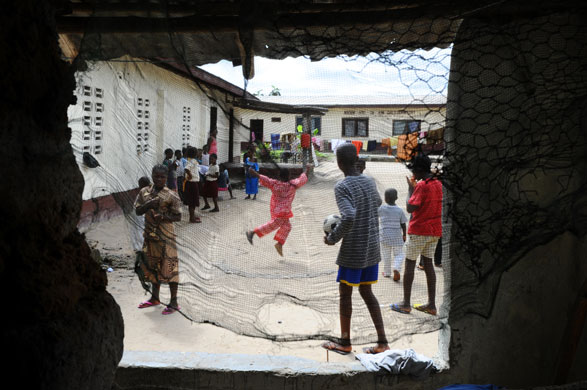
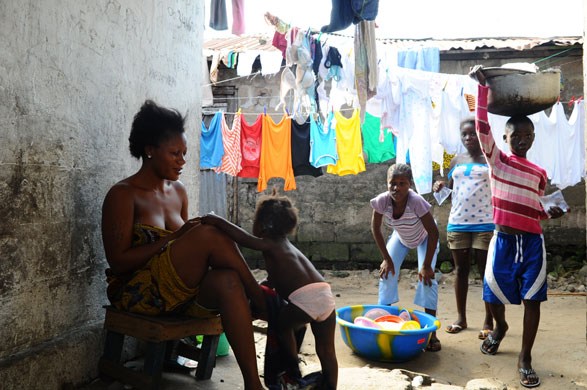
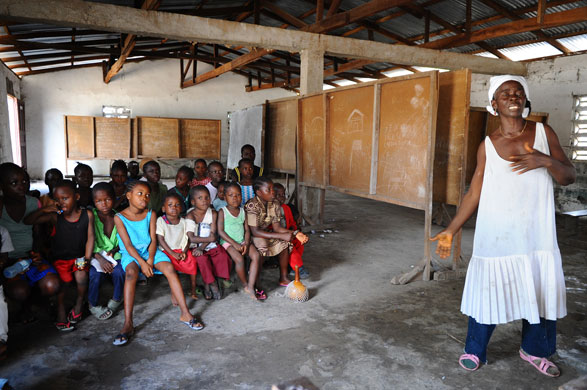
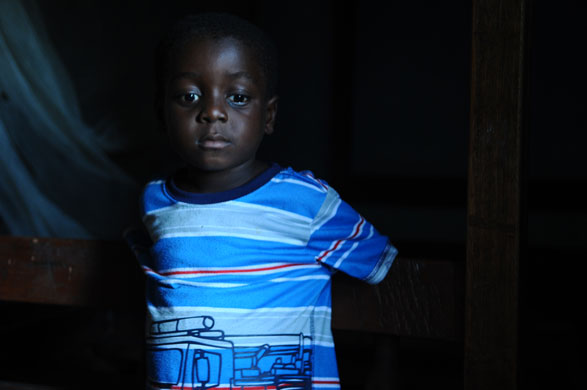
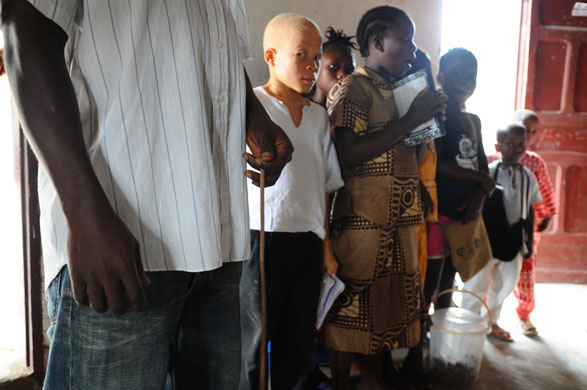
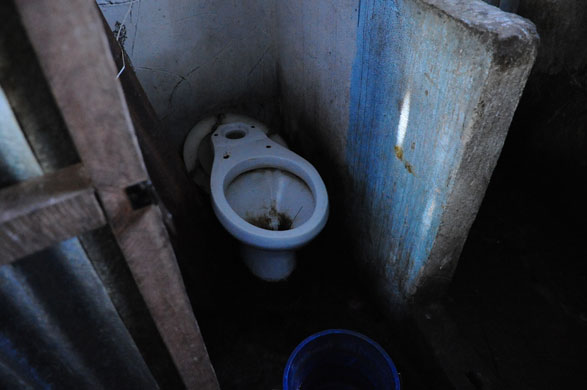
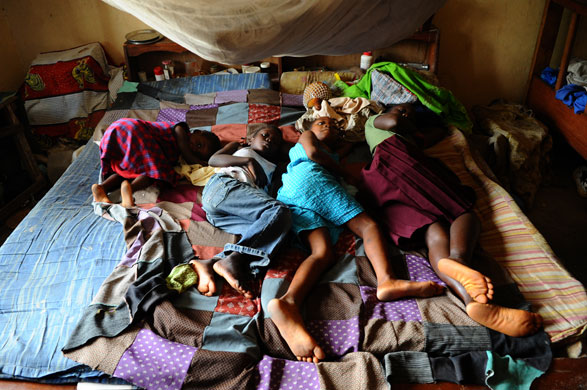
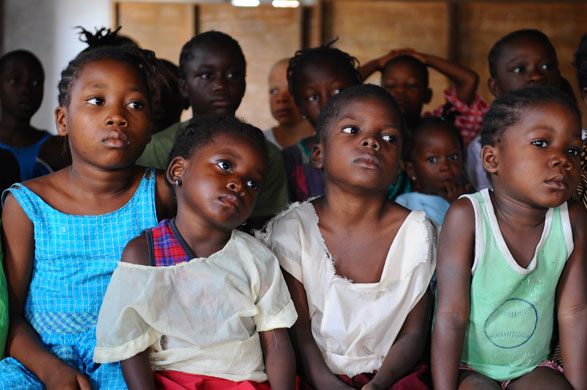
Children playing in the courtyard at an orphanage on the outskirts of Monrovia. In large scale institutions children face additional problems caused by neglect and poor standards of care. This includes life-threateningly poor nutrition, hygiene and health care and a chronic lack of physical and emotional attention. Many children have to share beds or sleep on the floor, they may be given only one meal per day, no facilities to play and they may receive little of nor individual attention from care givers.Photograph: Rachel Palmer/Save the Children/PRA street scene in West Point, a slum in Monrovia, Liberia - home to 70,000 people. West Point has only one private clinic. Save the Children runs a children's club in West Point to raise awareness about child rights. One in nine children die in Liberia from easily preventable diseases and the country has one of the worst newborn death rates in Africa. But the country is making progress thanks to simple steps such as widespread vaccination programmes, mosquito net distributions and a commitment to making healthcare free for even the poorest families. 25,000 more children now survive to their fifth birthdays compared to a few years ago. Poverty is the main reason children end up in institutions, rather than the death of a parent. For poor families, putting their children in an institution can be the only way to cope, particularly when shocks like natural disasters, conflict, illness or family breakdown compound the problem of poverty.Photograph: Rachel Palmer/Save the Children/guardian.co.ukMary, 55, the head of an orphanage on the outskirts of Monrovia, home to apparently 40 children. In some countries, orphanages have become big business, as the people who run them are often given financial incentives by governments or well-meaning donors. Save the Children's report warns that this has contributed to the number of orphanages rising dramatically in recent years, particularly in Africa and Asia. This in turn can lead to the active recruitment of children to fill the orphanages by unscrupulous owners who use promises of education and a better life to lure poor families into giving up their children.Photograph: Rachel Palmer/Save the Children/guardian.co.ukChildren who grow up in residential care homes are more likely to suffer from stunted growth, behavioural problems and have a lower IQ that those who are raised at home or in a foster family. Bobby, 4, has lived in this orphanage on the outskirts of Monrovia since he was a small baby. This orphanage is on the government’s list of orphanages to close down. Photograph: Rachel Palmer/Save the Children/guardian.co.ukPrince, the 'star' orphan from this orphanage, on the outskirts of Monrovia. He went to school here and then to university. He's now come back to work for the orphanage. Corporal punishment is often used in orphanages like this to disipline the children. Children are at increased risk of abuse and neglect due to the poor standard of care found in many institutionsPhotograph: Rachel Palmer/Save the Children/guardian.co.ukIn 2008, 74 out of 114 orphanages in Liberia were assessed by the Ministry of Health and Social Welfare. Of those assessed only 28 met the minimum standards and many were on the borderline. In this orphanage on the outskirts of Monrovia there was one dirty, broken toilet for over 50 children. Photograph: Rachel Palmer/Save the Children/guardian.co.ukIn large scale institutions children face additional problems caused by neglect and poor standards of care. This includes life-threateningly poor nutrition, hygiene and health care and a chronic lack of physical and emotional attention. Many children have to share beds or sleep on the floor, they may be given only one meal per day, no facilities to play and they may receive little of nor individual attention from care givers.Photograph: Rachel Palmer/Save the Children/guardian.co.ukJenny, 12, who lives in this orphanage on the outskirts of Monrovia. Children growing up in care have less of an ability to navigate an independent life. After years of following a structured routine where they exercise little or no choice they often struggle to do things like cooking, looking after money or using their initiative. Not having these skills makes it more difficult to find work and develop relationships meaning they’ll often become marginalised from society.Photograph: Rachel Palmer/Save the Children/guardian.co.ukSome of the supposedly 40 children living in an orphanage on the outskirts of Monrovia. To tackle the overuse and misuse of residential child care, Save the Children is asking governments and those who work in or fund orphanages instead to channel their resources into projects that support families to look after their children at home or in the community. The charity is also calling for stricter monitoring of institutions and more awareness-raising amongst communities on the importance of family- and community-based care for children. Photograph: Rachel Palmer/Save the Children/guardian.co.uk
Sign up to read this article
Read news from 100’s of titles, curated specifically for you.