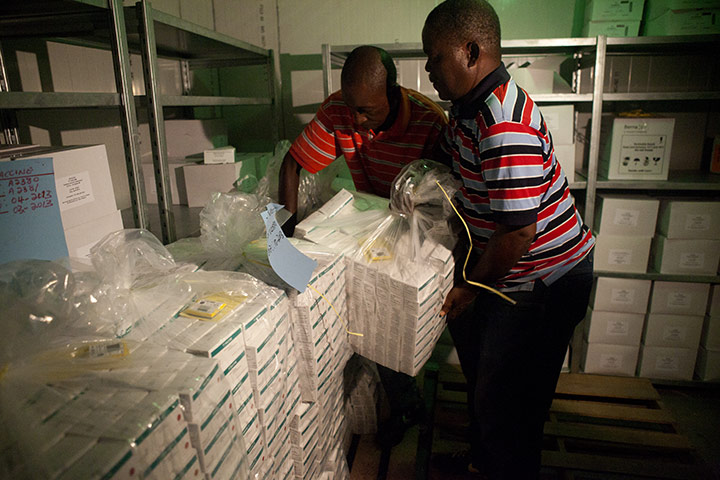
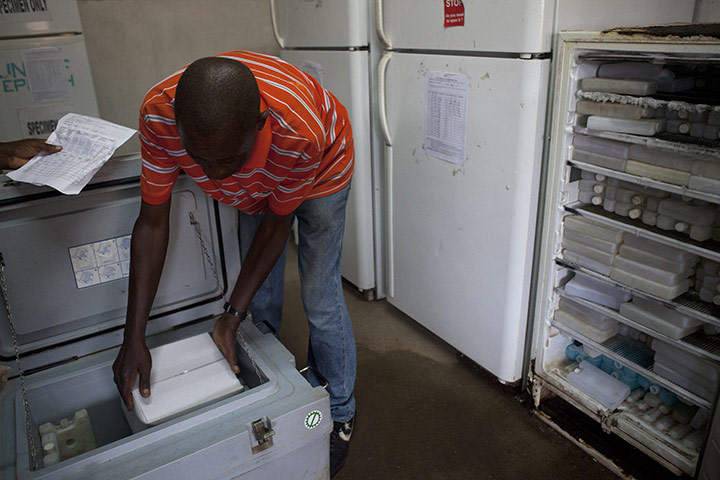
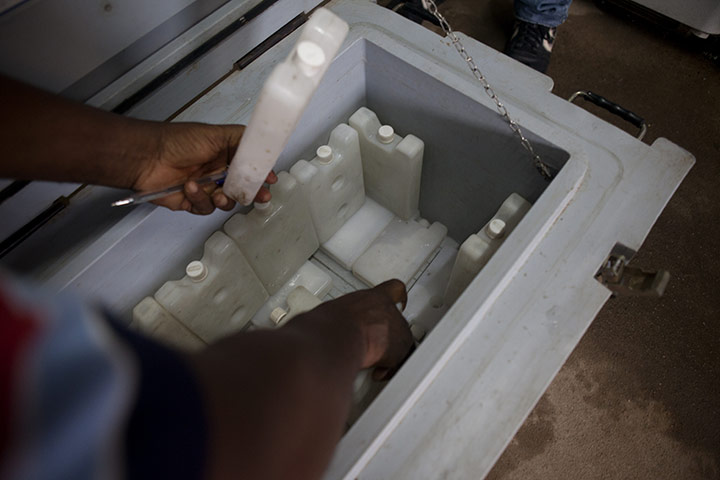
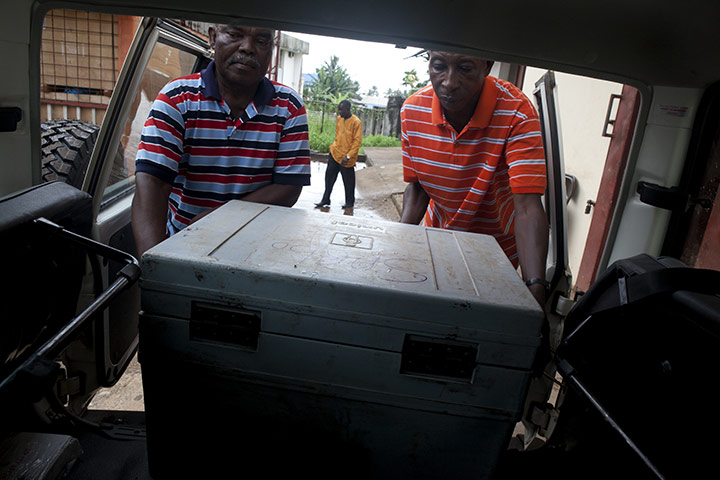
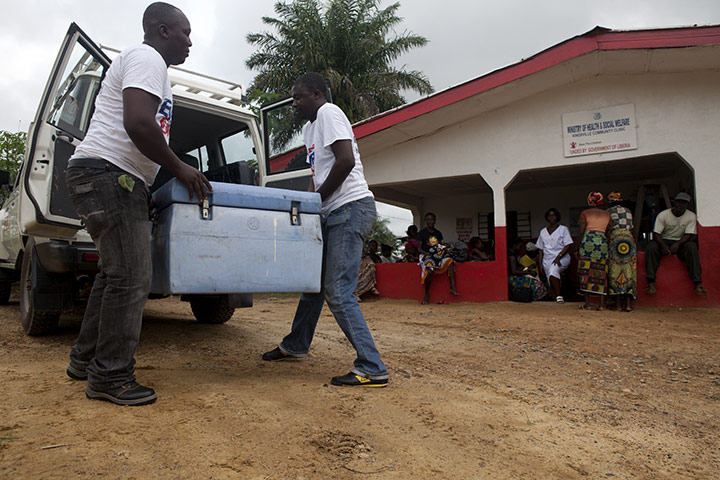
All Liberia’s vaccines are stored in three warehouses at John F Kennedy memorial hospital in Monrovia, a private hospital that is also the national depot for all drugs. Vaccines are kept in large cold stores in two of the warehouses, while boxes of syringes, cotton wool swabs and other 'dry' products needed for injections are stacked in boxes in the third. Labels on the boxes show some of the products have been shipped from Indonesia, France and Senegal. All vaccines are procured through Unicef’s supply division, which notifies the depot managers when orders are about to be dispatched and when they should arrivePhotograph: Jane Hahn/Save the ChildrenVaccines stored in the cold rooms include those for measles, polio, tetanus, yellow fever and pentavalent, which immunises against five diseases (diphtheria, tetanus, pertussis, hepatitis B and Hib). Liberia has launched a five-year plan to increase the country’s routine immunisation coverage, with a particular focus on women and children under the age of one. The plan is to increase vaccine coverage to more than 90% by 2015. If the necessary funding is secured from the Global Alliance for Vaccines and Immunisation (Gavi), the pneumococcal vaccine against pneumonia will also be rolled out next year. Mary Momolu, manager of Liberia’s Expanded Programme on Immunisation (EPI), says she hopes Gavi will provide £100,000 for the roll out. According to government figures, pneumonia now constitutes 11% of under-five deaths in LiberiaPhotograph: Jane Hahn/Save the ChildrenOrders for vaccines are made by the health authorities in each of Liberia’s 13 counties. Vaccines are loaded into large cool boxes, surrounded by ice packs, ready for collection. Each county sends a truck to pick up their orders. Sometimes NGOs, such as Save the Children, make the collection on their behalf. Transport of vaccines, particularly to rural locations, is a major problem in Liberia. Poor roads mean journeys to more remote areas, particularly during the rainy season, can take up to 48 hours. This, says Augustine Newray, acting deputy programme manager at EPI, 'compromises the potency of the vaccine'. On these long journeys, stops have to be made to collect more ice packs. Newray says it’s hard to calculate how many vaccines are wasted during long delivery journeys, but his team is looking into ways to procure refrigerator trucks to improve the cold chainPhotograph: Jane Hahn/Save the Children
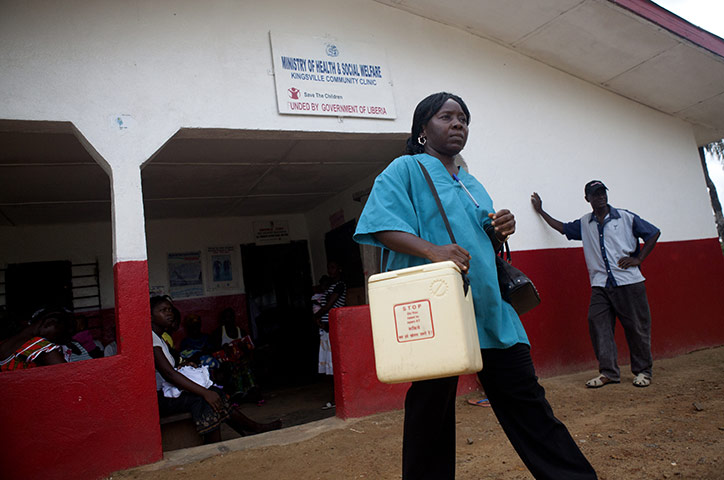
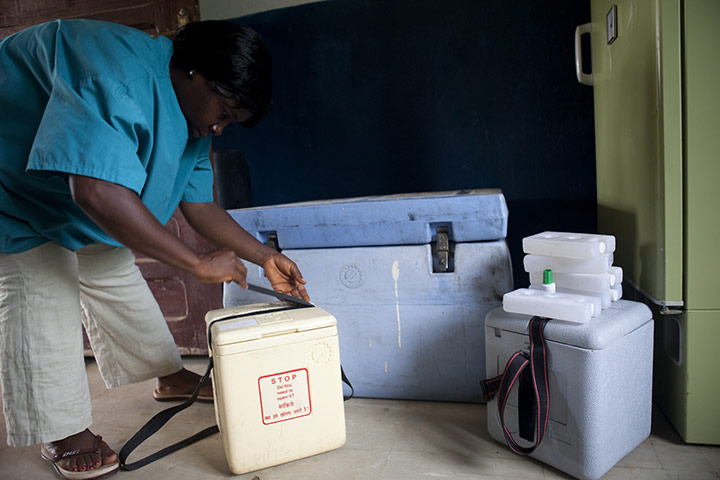
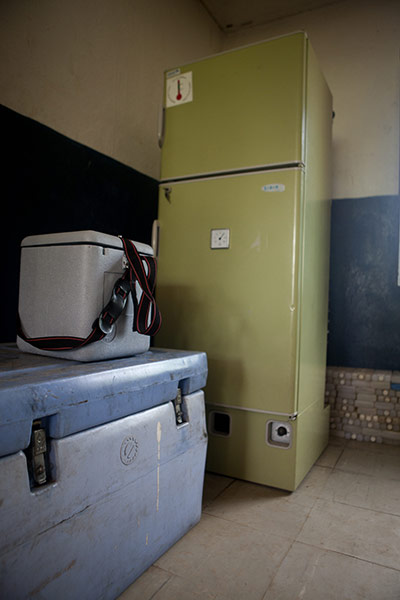
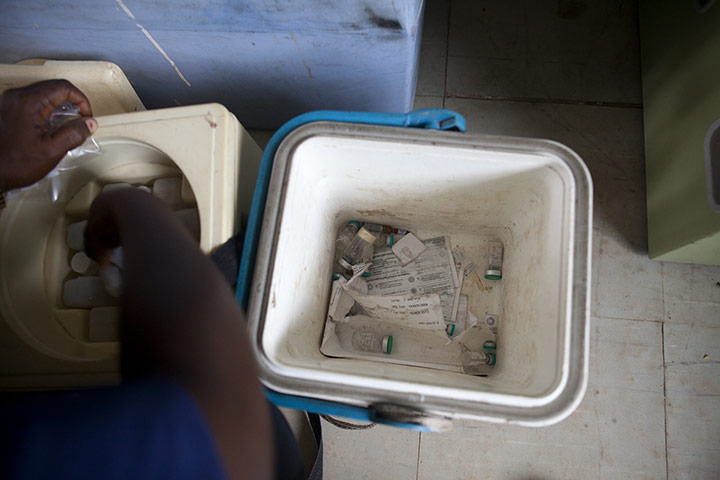
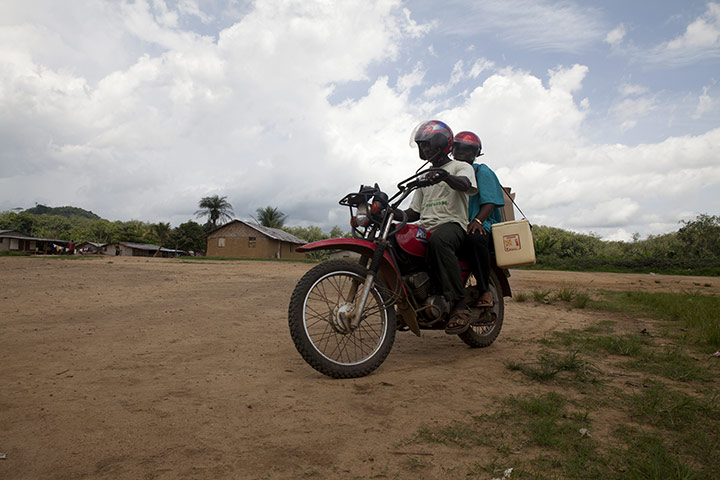
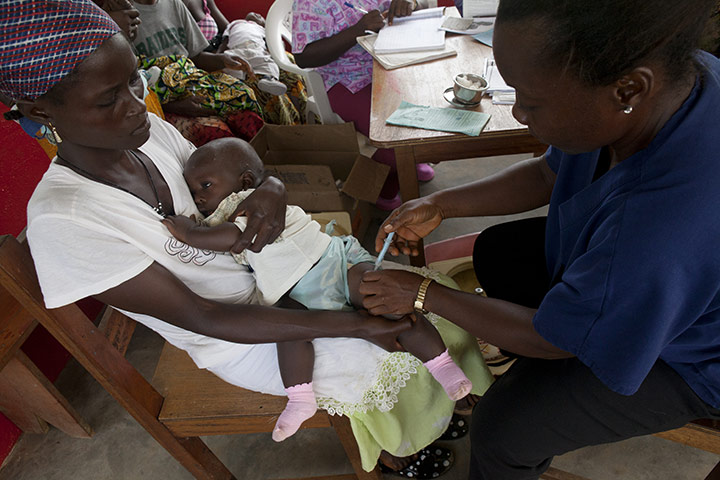
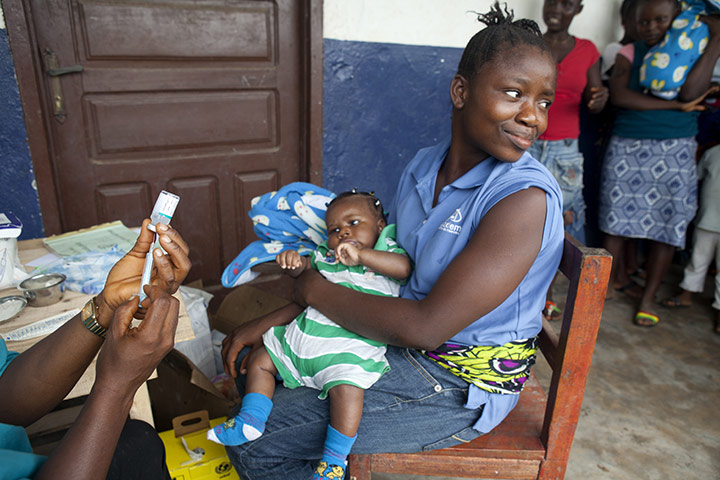
At one time, the UN mission in Liberia assisted with vaccine deliveries. Newray says he used to be able to call the UN headquarters and a helicopter would be dispatched to collect and deliver them. Now, though, as the mission begins to withdraw from the country, the process has become too bureaucratic to be worthwhile. 'Now we have to write a letter, which goes through the authorities, which can take a month,' says NewrayPhotograph: Jane Hahn/Save the ChildrenKingsville clinic, which is about one hour’s drive from the Liberian capital, Monrovia, is one of the medical centres that benefits from its links with Save the Children. It receives monthly deliveries of vaccines. The clinic is government-run but supported by the NGO, which provides vaccines and drugs, helps pay staff salaries and provides health training. The only free health facility in the area, Kingsville provides services to a population of more than 20,000. The clinic has seven staff. It also conducts outreach work in surrounding villages for those who can’t afford the transport costs to the clinicPhotograph: Jane Hahn/Save the ChildrenJemama Weegie has been a community immuniser at Kingsville since 1998. Each day she packs her small cool box with vaccines and heads to one of 27 villages to offer injections to pregnant women, mothers and children under the age of one. Her team visits communities to tell them when they will be offering vaccinations. 'We talk to women about the importance of vaccinations, and we encourage them to have their children vaccinated,' she says. During the civil war, many people fled to Kingsville to escape the fighting. 'In 2003 everything [including the clinic] closed. Children and mothers ran into the bush. After the war, they came home, but it has been hard to get people to come to the clinic. We had to look for the people in hard to reach areas. We now go to them'Photograph: Jane Hahn/Save the ChildrenVaccines at the clinic are stored in a cool box since the fridge broke. In addition to its monthly vaccine delivery, each week the centre also receives a delivery of ice packs to keep the vaccines coolPhotograph: Jane Hahn/Save the ChildrenThe clinic has asked for a solar-powered fridge (it already has solar panels fitted), but this is something the government needs to arrangePhotograph: Jane Hahn/Save the ChildrenNot having the fridge means the clinic has to order less vaccines and Weegie says that sometimes, when the ice packs melt, the water removes the labels, which include expiry dates Photograph: Jane Hahn/Save the ChildrenWeegie travels to the villages to do her outreach work on the back of a motorbike. Today, she’s heading to Garzon village, about 5km from the clinic. It’s a journey that can take up to an hour in the rainy season because of poor roadsPhotograph: Jane Hahn/Save the ChildrenWeegie often sees up to 40 women and children on her visits. But today in Garzon, she will screen and counsel more than 70 women and children and offer free vaccinations against diseases including measles, yellow fever and polio. Babies under the age of one are the primary focus of Liberia’s vaccination efforts. You need to get them young, says Weegie. Teenagers and women between the ages of 14 and 49 are given tetanus shots. Younger girls are also offered tetanus shots if they get pregnantPhotograph: Jane Hahn/Save the ChildrenPatience Flomo, 21, holds her three-month-old son, Joshua, while he receives his BCG and penta vaccinations at Garzon school. Liberia should find out if it has secured the money from Gavi this month. Issues of transport and maintaining the cold chain are the key areas that need to be addressed. The Chinese are already involved in road building projects. Liberia has a population of 3.5 million, which means if transport is improved, the country’s immunisation plan may be realised, but: 'It will be a challenging five years. We will all have to put on the boots to climb the mountain,' says Mary MomoluPhotograph: Jane Hahn/Save the Children
Sign up to read this article
Read news from 100’s of titles, curated specifically for you.