A Lib Dem bill that protects spending on foreign aid has survived an attempt by a group of Conservative MPs to kill it off with a lengthy filibuster.
The international development bill cleared the House of Commons on Friday despite dozens of wrecking amendments laid by Tory MPs who attempted to make it run out of parliamentary time.
The idea of a enshrining a commitment to spending 0.7% of national income on foreign aid was part of the coalition agreement but, after the Conservatives dragged their feet, it has ended up being brought forward as a backbench bill by former Lib Dem cabinet minister Michael Moore. Despite the delaying tactics of a handful of Conservatives, MPs overwhelmingly voted in favour of bring the debate to a close by 146 to 6, allowing it pass through the Commons and head for scrutiny in the House of Lords.
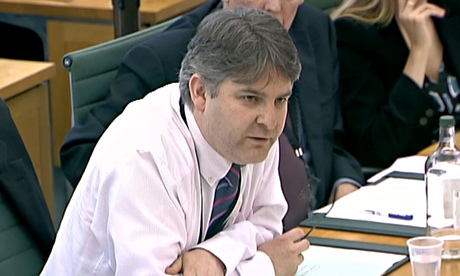
The opposition to its passage was led by Shipley MP Philip Davies, who spoke for over an hour, and Bury North MP David Nuttall, who talked for 52 minutes, as they attempted to make it run out of time before a deadline of 2.30pm.
To ensure the bill had enough supporters, the Liberal Democrats had to haul some of their MPs back from Scotland, while Conservative and Labour supporters of the legislation rung round to drum up numbers to be in parliament.
Davies, the MP for Shipley, had previously labelled the bill is “a handout to make a few middle class, Guardian-reading, sandal-wearing, lentil-eating do-gooders with a misguided guilt complex feel better about themselves”. He declined to comment when asked about his amendments by the Guardian on Thursday.
Speaking in the House of Commons on Friday, Davies seized on a report from the Financial Times that suggested an extra £1bn would have to be spent on foreign aid in the near future under the 0.7% because Britain’s national income is rising.
“Given what the chancellor said in the autumn statement, and given the projections of the Office for Budget Responsibility, government spending as a proportion of GDP will go down,” Mr Davies said.
“And so as the OBR have highlighted, even spending on health will go down as a proportion of GDP. So this is going to make sure, if the bill goes through unamended, that the percentage of government spending that goes on overseas aid will keep rising.”
On Thursday, David Cameron said he thought the bill would “probably go ahead”, but meeting the 0.7% target was “much more important than the legislation about it”. He did not attend the debate himself because he was attending to constituency business.
Foreign aid has been a contentious subject within the Conservative party, with Philip Hammond, the foreign secretary, last month saying the idea of enshrining it in law is “bizarre”. Some backbenchers fear losing support over the issue to the UK Independence party , which has campaigned to drastically reduce the foreign aid budget in favour of domestic spending.
However, George Osborne, the chancellor, gave a spirited defence of foreign aid in the House of Commons on Wednesday, congratulating Gordon Brown, the former Labour prime minister and chancellor, for his work in the area.
Moore, who was Scottish secretary until last year, said the legislation would “stabilise and transform lives”.
“That is why it has overwhelming cross party support and the support of the public. It was in every party’s manifesto, and has been well supported so far,” he said.
Responding to the vote, Tanya Barron, chief executive of global children’s charity Plan UK said the legal commitment to devoting 0.7% of our national income to international aid would be a “powerful example to the world, ensuring our ability to securely plan projects in the long-term and so helping us to reach the most marginalised groups”.
“Today we’re a big step closer to securing that legacy. Let’s hope the Lords show the same backing for this bill as MPs have,” she said.