LGBTQI Australians are more likely to be unemployed, work fewer hours or be in lower-paid industries than their heterosexual and cisgender peers, with long-term impacts on their finances and health.
A first-of-its-kind Australian study by Monash University looked at both sexual and gender identity in relation to work participation and found evidence of ongoing and "concerning" structural inequalities.
Lesbian, gay, bisexual, transgender, queer and other sexually and/or gender diverse adults experience higher unemployment, reduced participation in the labour force and tend to work in less stable or lower-paid sectors compared with heterosexual and cisgender Australians.
LGBTQI Australians experienced employment inequalities even when accounting for age, education and socio-economic background, lead author Dee Tomic said.
"This suggests that structural and workplace-level barriers continue to shape how LGBTQI workers are able to access secure and sustainable employment," Dr Tomic said.
The study analysed nationally representative longitudinal data from the Household, Income and Labour Dynamics in Australia (HILDA) Survey.
Researchers found gay and lesbian adults were more than twice as likely to be unemployed compared with heterosexual Australians and were under-represented in trades, manufacturing and construction.
Bisexual people had higher rates of unemployment and labour force non-participation, were more likely to work part-time or take unpaid leave and were more likely to exit employment over time.
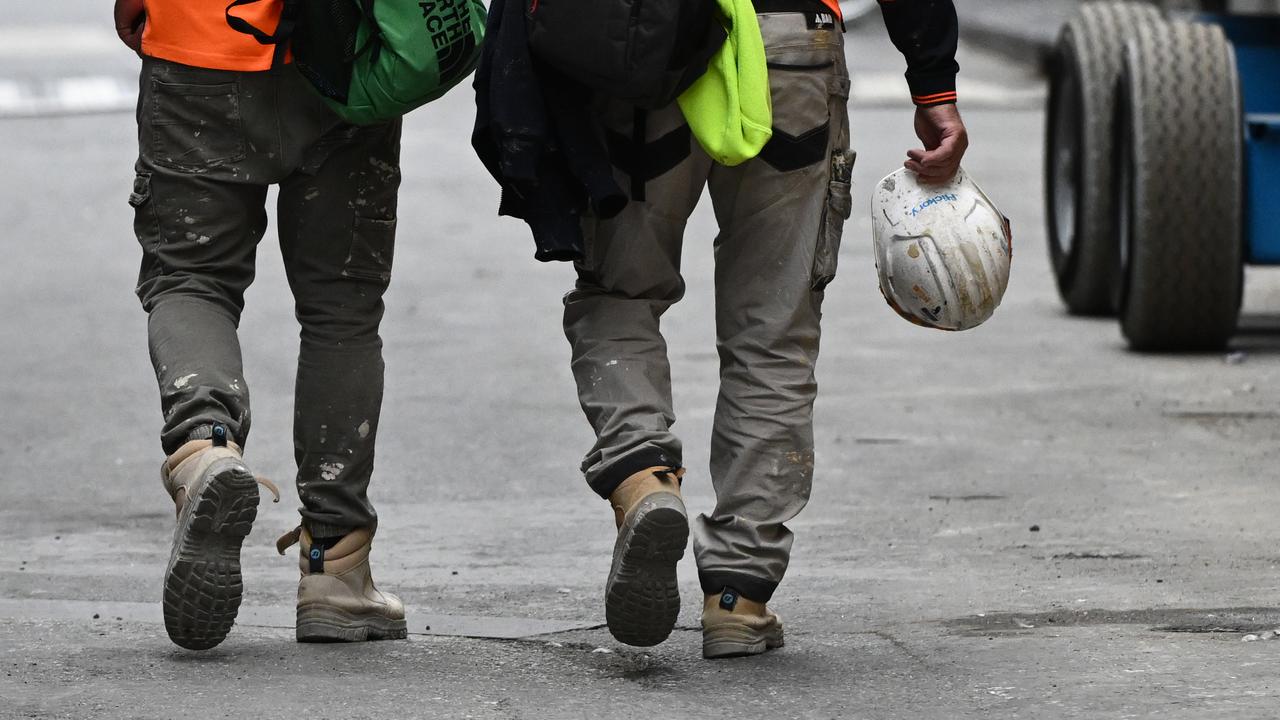
They were also less likely to work in agriculture, forestry, fishing and mining.
Meanwhile, transgender and gender diverse people worked fewer hours on average and were significantly less likely to be employed in manufacturing, utilities and construction compared with cisgender peers.
The findings may also reflect discrimination and anticipatory avoidance, where LGBTQI people steer away from workplaces perceived as unsafe or unwelcoming.
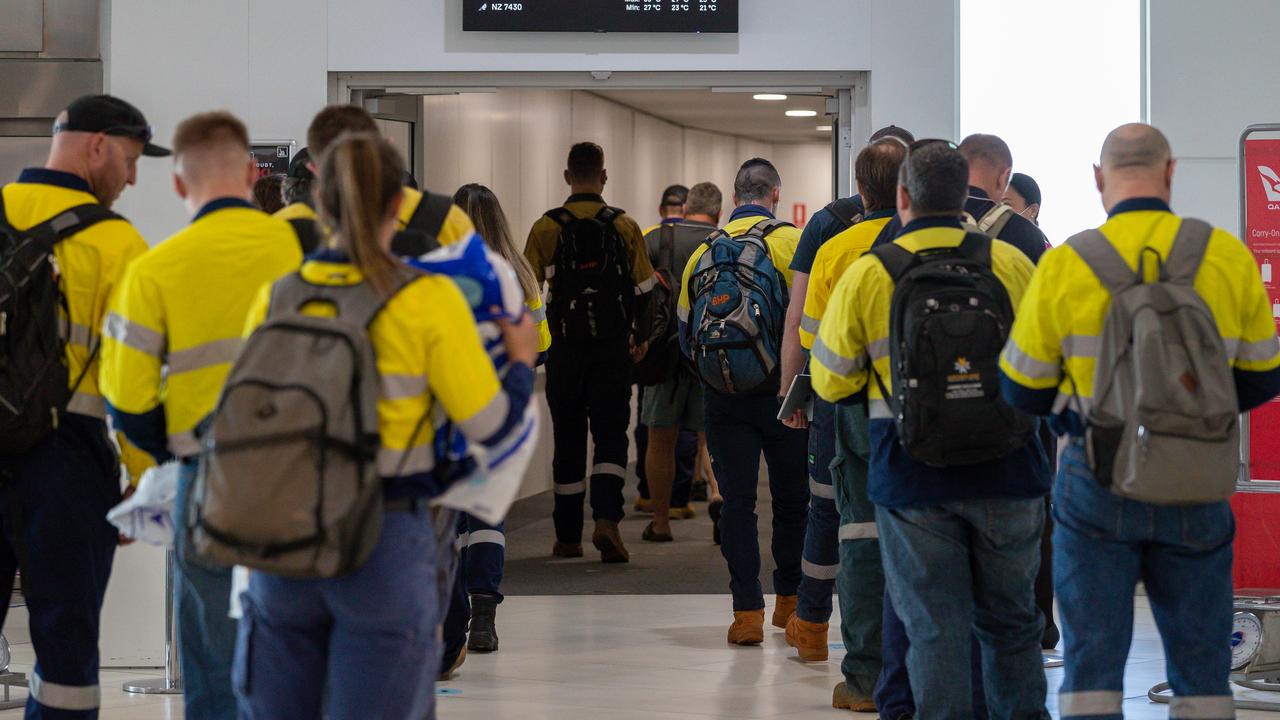
Cis male-dominated and culturally conservative sectors - such as construction, manufacturing and mining - were areas that had particularly low representation of people who identified within the LGBTQI community.
"Many LGBTQ+ people may prioritise psychological safety over pay or career progression if workplace cultures feel hostile or exclusionary," Dr Tomic said.
"This can result in occupational segregation that limits long-term economic security."
She warned reduced access to secure work can have long-term consequences for financial security, mental health and wellbeing.
"These patterns are concerning not only from an equity perspective, but also for public health," she said.
"Employment is a major social determinant of health."
Lifeline 13 11 14
Fullstop Australia 1800 385 578