LOS ANGELES _ Metro-Goldwyn-Mayer Inc. may be best known for bringing "The Wizard of Oz" and "West Side Story" to the big screen, but it's the travails of a TV star that have thrust it into the limelight this week.
The 92-year-old studio has been under siege, with women's rights advocates campaigning on the doorstep of its Beverly Hills, Calif., headquarters and mogul Barry Diller suggesting the company is lying when it said it can't release outtakes from its hit series "The Apprentice."
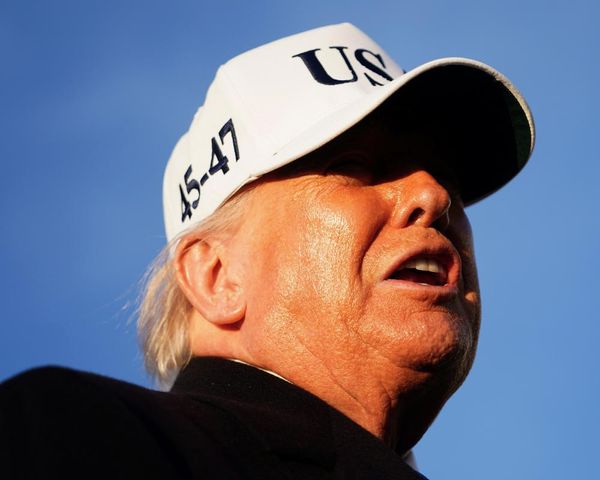
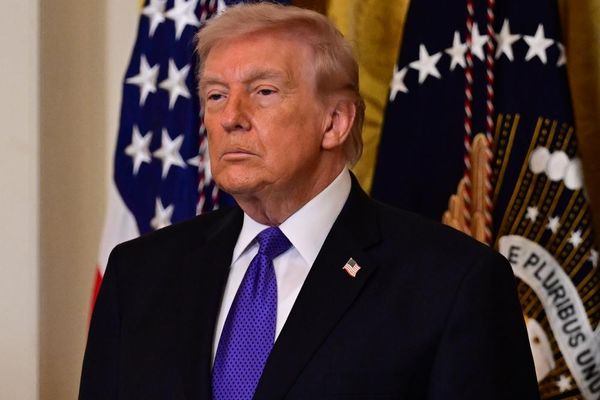
The furor comes as media outlets race to find more evidence of Republican presidential nominee Donald Trump's off-screen behavior in the wake of an "Access Hollywood" video that showed him making lewd remarks about women. The Republican nominee for president said the remarks were just "locker room talk" and don't reflect his actual behavior. On Thursday, he accused the "Washington establishment" and "corporate media" for spreading false accusations that he sexually assaulted women.
Parent company MGM Holdings Inc., which has said it can't release any unaired video, declined to comment for this story.
It's all an odd position to be in for MGM and its low-profile chief executive officer, Gary Barber, who rarely grants interviews or participates in industry panels. The company is one of the last remaining independent studios in Hollywood. It's grown steadily since emerging from bankruptcy in 2010, following a Sony Corp.-led $5 billion leveraged buyout. The acquisition of "The Apprentice" creator Mark Burnett's TV production company over the past two years has been part of its efforts expand into that fast-growing business.
Bill Pruitt, a producer on the first two seasons of "The Apprentice," said on Twitter on Oct. 8 that "there are far worse" comments made by Trump during the filming of the show. After keeping silent last weekend, Burnett issued a statement Monday saying he didn't have the authorization to release any outtakes, then said Wednesday that he doesn't support Trump. MGM said it had confidentiality agreements with artists and it planned to honor them.
Trump must have put something in his contract that forbids the distribution of the video without his permission, said Doug Lichtman, a professor who teaches copyright law at the University of California Los Angeles.
"Stars often want to control the use of outtakes, which can easily contain embarrassing audio and video," Lichtman said in an email.
Hope Hicks, a spokeswoman for Trump's campaign, didn't reply to a request for comment.
If it were to release the outtakes, MGM would have to look for some legal excuse for doing so, or it would expose itself to a suit for damages from Trump, Lichtman said. That's a risk that could be tough for Barber to bear amid his quest to make MGM great again.
Since Barber took over in 2010, the company has been mining its library for characters it can use in new films, producing hits like "The Hobbit," "Skyfall" and last year's "Rocky" sequel "Creed." In the coming months, the studio will need to select a new distributor for its James Bond franchise and potentially find a new actor to play 007.
MGM's annual earnings before interest, taxes, depreciation and amortization have risen to about $400 million from about $150 million since the bankruptcy, according to Steven Azarbad, chief investment officer at New York-based Maglan Capital LP, an MGM investor.
A good part of that growth comes from TV, where MGM produces shows such as "Fargo" for the FX network, "Vikings" for the History Channel and "Teen Wolf" on MTV.
The multi-season nature of TV production provides more financial stability than the more volatile movie business, Azarbad said. That was particularly true last month when MGM reduced its profit outlook for the year by 10 percent due to the poor performance of its film remake of "Ben-Hur."
TV shows, particularly the reality programs that Burnett specializes in, are much cheaper to produce, Azarbad said.
"The TV business is much more of a fixed-margin business," he said. "With films it's a boom and bust type of environment."
Still, film represented about 75 percent of MGM's revenue in the first half of the year.
Since the bankruptcy, when control shifted a number of distressed debt investment funds, MGM's future has been a constant source of speculation. In 2012 the company filed paperwork with regulators indicating it may pursue a public offering. In May Barber said he still sees a public offering for the company over the next three to five years, but first he wants to build up the company's TV business. (MGM has a small number of shares traded over the counter already, but they rarely change hands.)
As of the end of June, shareholders with more than 10 percent stakes in MGM included Anchorage Capital Partners, Highland Capital Partners and Solus Alternative Asset Management, according to a filing.
MGM may also make a tempting target for Chinese media companies that have been looking to acquire U.S. assets, Azarbad said.
"For the time being they're doing a good job with earnings growth and buying back stock," he said.