When author Kenji Miyazawa (1896-1933) was a teacher at an agricultural school, he carried a mechanical pencil wherever he went. According to the Miyazawa Kenji Museum in Hanamaki, Iwate Prefecture, Miyazawa hung the pencil around his neck so he could quickly jot down notes in a notebook when an idea popped into his head. Miyazawa was also a poet and scientist, and he made frequent use of his convenient pencil.
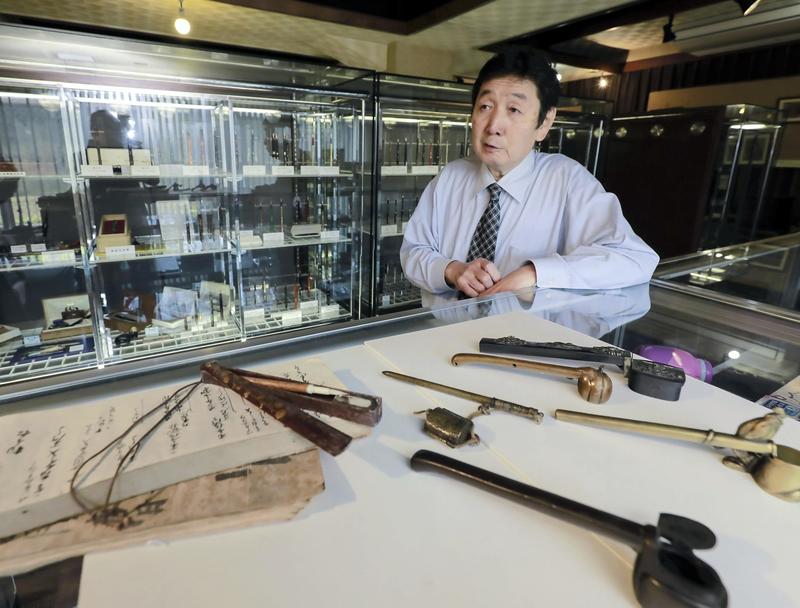
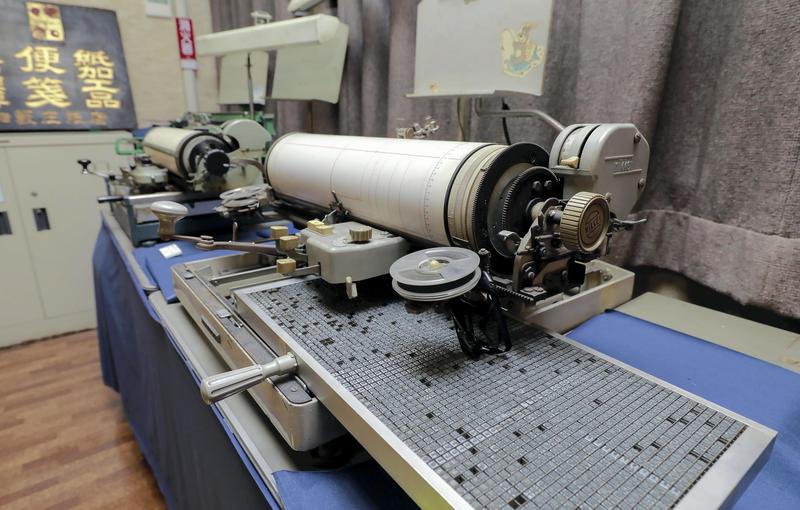
The Nihon Bungu Shiryokan (Japan stationery museum), located in the Asakusabashi wholesale district in Tokyo, displays about 600 stationery items from throughout the ages and from all manner of places. They include mechanical pencils, writing brushes and inkstones, as well as office equipment such as typewriters and calculators.
Portable brush-and-ink cases were first used during the Kamakura period (late 12th century to early 14th century). About 30 of these distinctively Japanese stationery items, which feature a small inkpot joined to a brush case, are on display at the museum. These writing sets originated from when samurai warriors put inkstones and brushes in the quivers they used to carry arrows. Over time, the cases could typically be tucked into an obi sash. During the Edo period (1603-1867), many of these cases were decorated with intricate patterns, and they also become a fashion accessory.
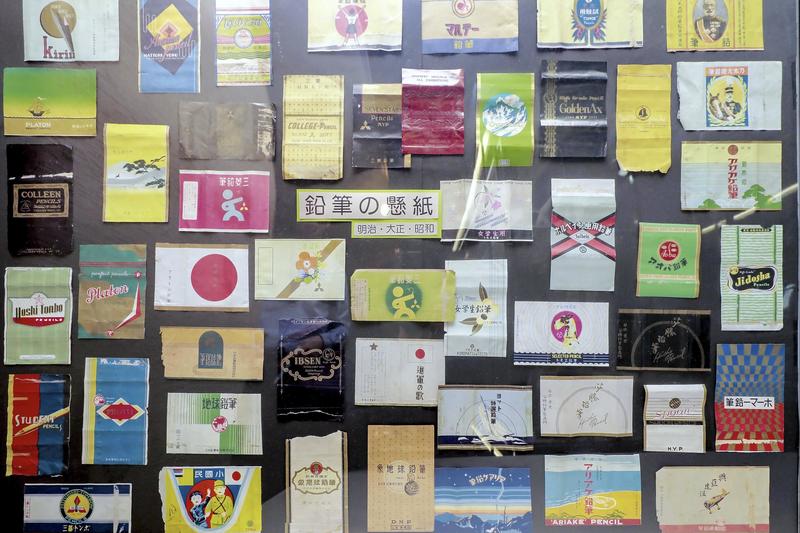
The museum has an intriguing collection of papers that were wrapped around lead pencils that sold from the Meiji era (1868-1912) until the Showa era (1926-1989). They feature illustrations such as an elephant sitting on the Earth or a smiling Ebisu, the god of commerce -- such a business strategy would even work well today. My curiosity was piqued by what difference there would be in the feel of pencils that claimed to be "for use in exams," "for use in self-taught training courses" and "for use by female students." Some of the papers provided a snapshot of the atmosphere during the war, with expressions referring to children on the home front, constructing a more prosperous Asia, and a song for the advancing military.
The museum is open on weekday afternoons only. It receives only about 1,200 visitors annually -- mostly researchers, elderly people and junior high and high school students on school excursions -- but allows people to leisurely observe the items on display.
Rikio Sato, who is in charge of the museum, can guide visitors around the facility upon request. "Although I often end up learning things from people who know more about these items than I do," said Sato, 67. Sato heard the anecdote about Miyazawa and the mechanical pencil from a visitor to the museum.
Paper, brush, ink and inkstone that originally came from China are collectively known as the "four traditional writing materials." The museum has added office equipment and other items to its lineup, and in 1989 a monument to these materials was built at Yushima Tenjin shrine, which is dedicated to the god of learning.
The stationery that has supported Japan's educational and economic development is certainly worthy of such a monument.
-- Nihon Bungu Shiryokan
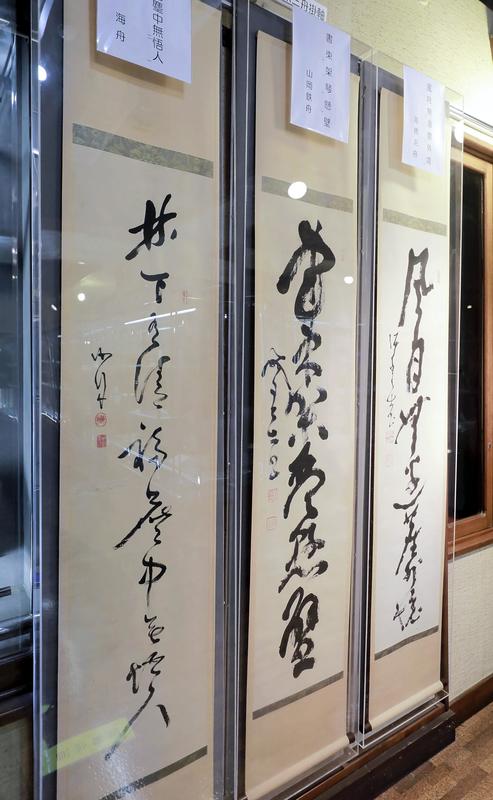
The Nihon Bungu Foundation for Science & Technology, a group of stationery makers and retailers, is the parent organization of this museum, which opened in 1985. Most of the items at the museum were donated by specialty stores and others. Also among the items are precious items the museum purchased, including hanging calligraphy scrolls written by Katsu Kaishu, Yamaoka Tesshu and Takahashi Deishu, a trio known for their skilled writing who were collectively called the "bakumatsu sanshu."
Address: 1-1-15 Yanagibashi, Taito Ward, Tokyo
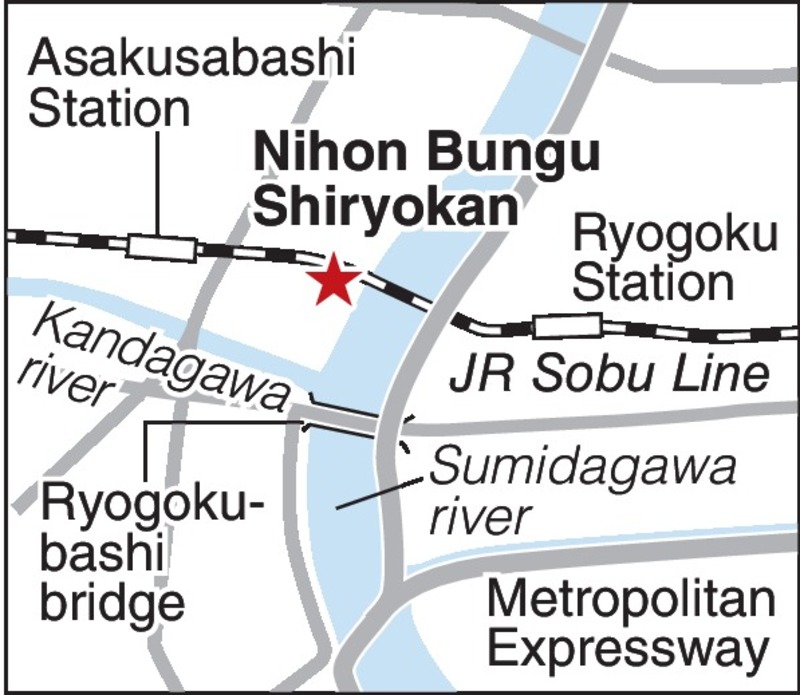
Opening hours: 1 p.m. to 4 p.m. on weekdays. Closed on Saturdays, Sundays and public holidays.
Admission: Free
Inquiries: (03) 3861-4905
Read more from The Japan News at https://japannews.yomiuri.co.jp/