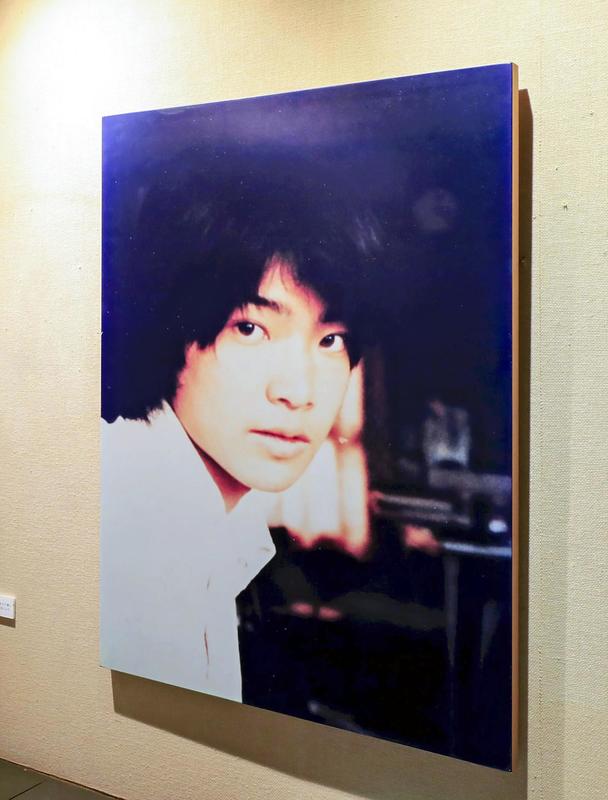
A prodigious talent in drawing and poetry, Kamachi Yamada died young -- at just 17 -- in 1977. However, his works became a nationwide sensation called the "Kamachi phenomenon" in the 1990s. This museum houses 436 works and personal items left behind by the boy wonder, who came from the city of Takasaki, Gunma Prefecture.
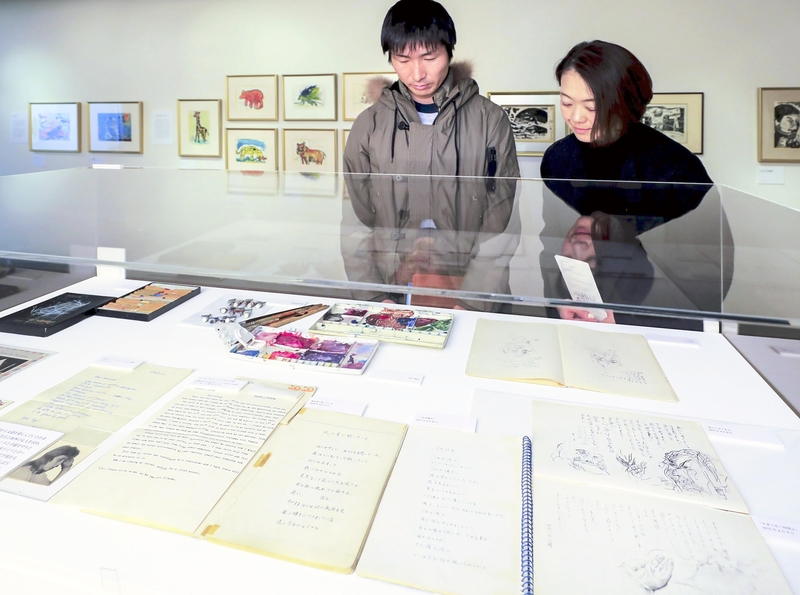
The exhibits start with watercolor paintings Kamachi did during his early childhood. The body and limbs of an anteater and a giant panda were painted precisely, showing they were drawn after being observed closely.
These are seven of 52 watercolor works he did within an hour during his winter holidays when he was a third-grade elementary school student.
The homeroom teacher, a graduate of the Tokyo University of the Arts, was struck by the high quality of these paintings and introduced him to Fusaichiro Inoue, a local influential businessperson, who was committed to promoting the arts.
Inoue praised his ability, saying, "If his talent is fostered successfully, he'll become an artist on par with [Tawaraya] Sotatsu and [Ogata] Korin."
Inoue held an exhibition of Kamachi's sketches in 1989 -- 12 years after his death -- providing a chance for people to learn his name.
Kamachi's poems describe the mental turmoil people experience during puberty, including the joy of being in love and hopes for the future.
One of them reads, "Love: It's the most wonderful thing" and another reads: "I'd like to become a rock singer. I want to be an outstanding painter."
About 10 days before his death, Kamachi wrote: "Kamachi -- you were not supposed to live worrying about whether you are liked" and "Live life to the fullest and beautifully."
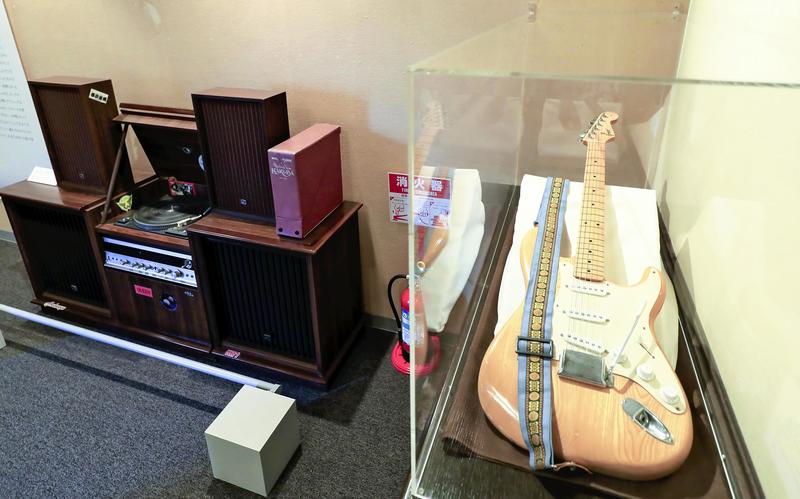
He became caught up in astronomical observations and stamp collecting, and during his junior high school days he devoted himself to rock music. He was a classmate of Kyosuke Himuro at junior high school, who later became a member of the popular rock band BOØWY.
One year after graduating from junior high school, Kamachi entered the prestigious Takasaki High School. That summer, he was tragically electrocuted while practicing the electric guitar.
The museum's curator Jun Tsukagoshi, 64, lamented his death, saying, "Had he been alive, he would've undoubtedly become a marvelous artist."
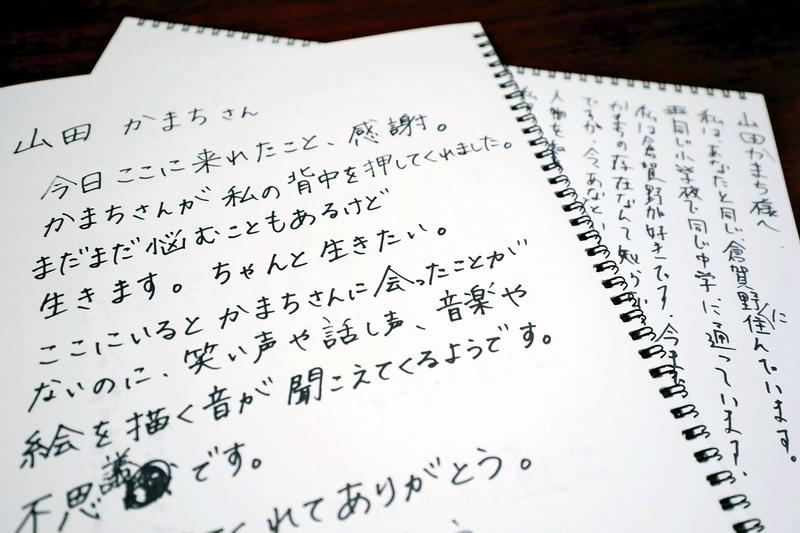
A notebook for visitors to the museum carries messages such as: "I think I'll be able to hang in there without quitting school" and "I'll stay alive despite having worries sometimes."
Such messages were mostly written by young people. Even 40 years after his death, Kamachi's short but brilliant way of life gives young people today inspiration and the courage to live.
-- Yamada Kamachi Museum of Art
A private museum, the predecessor of the Yamada Kamachi Museum of Art, opened in 1992 and was renovated as a municipal entity in 2014.
The given name Kamachi was taken by his father from a bright, brave boy named Kamachi in a historical novel.
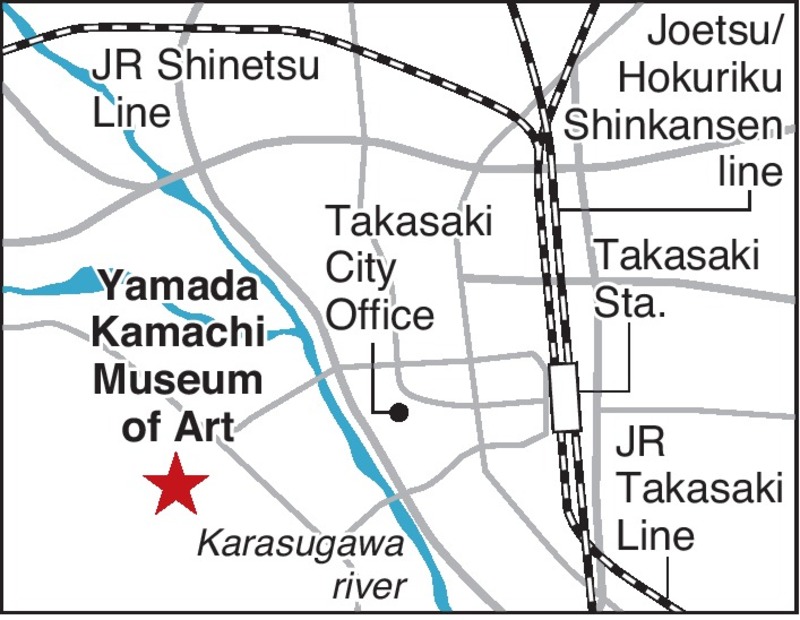
It takes about 10 minutes by bus from the west exit of JR Takasaki Station to the museum's entrance.
Address: 3-23-5 Kataoka, Takasaki
Open: 10 a.m. to 6 p.m. (closed on Mondays or Tuesdays when Monday falls on a national holiday.)
Admission: 200 yen for adults; 160 yen for university and high school students; free for junior high school students and younger.
Inquiries: (027) 321-0077
Read more from The Japan News at https://japannews.yomiuri.co.jp/