Naomi Uemura (1941-84) was the first man to summit the highest peaks on all of the world's five continents. He was also the first Japanese to successfully ascend Mt. Everest, the highest mountain in the world at 8,848 meters.
The Uemura Museum Tokyo in Itabashi Ward, Tokyo, presents numerous achievements by this adventurer. The ward government built the museum in 1992 because Uemura had lived in the ward in the final 16 years or so of his life, from the time he was around 27 until he went missing during an expedition on Denali, or Mt. McKinley, the highest mountain in North America.
The museum acquired about 1,500 of Uemura's belongings, including his favorite maps, souvenirs and climbing gear, from his family and others.
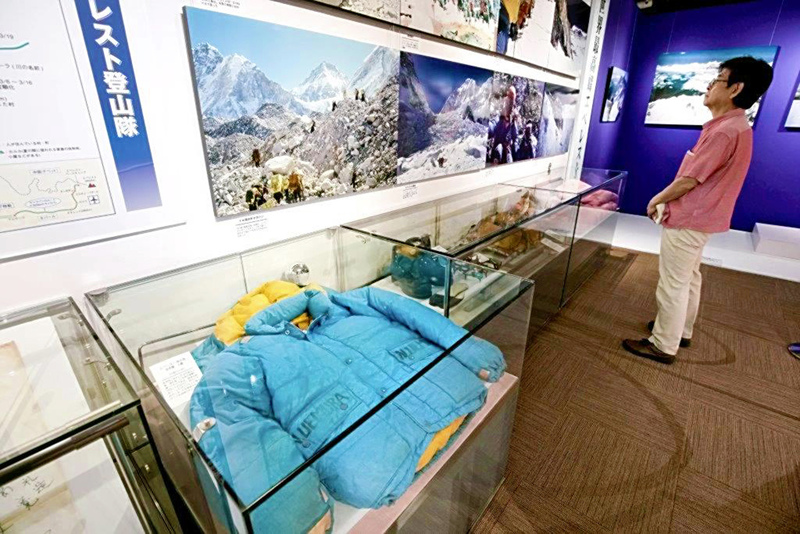
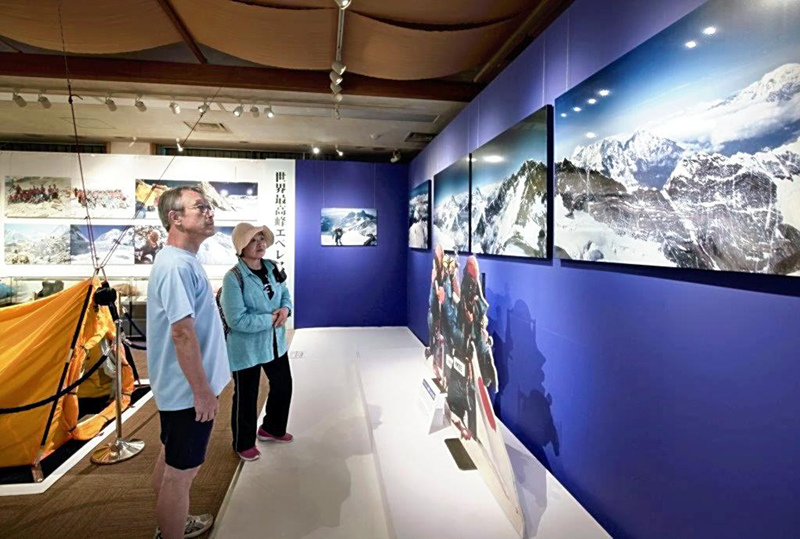
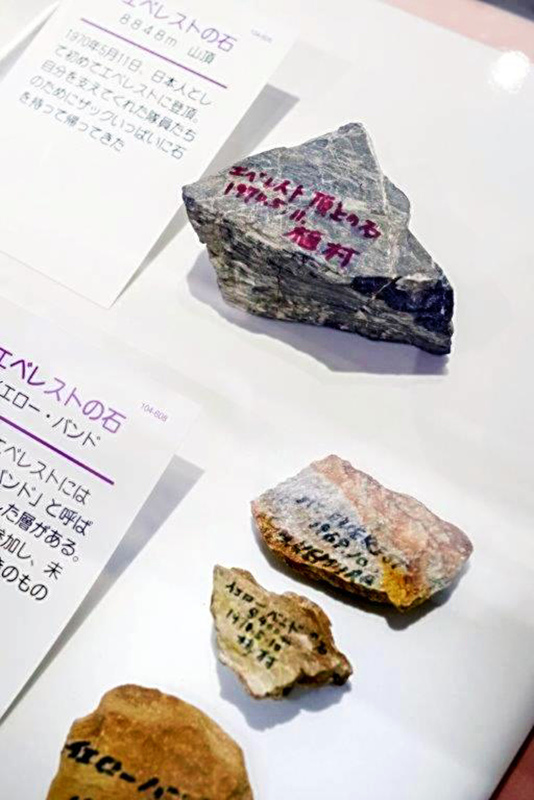
The museum holds four exhibitions every year. A recent show that ended on Sept. 26 was titled "Everest Sekaiichi Takai Basho e" (Everest: To the highest place in the world). The exhibits included the down jacket Uemura was wearing when he reached the peak of Mt. Everest for the first time on May 11, 1970. Also on display was equipment he had used, such as ice picks, and stones he brought back from the top of Mt. Everest. The stones bear his handwritten scribbles, with one saying "a stone from the top of Everest."
A section of the exhibition space was designed to look like the top of Mt. Everest, which is only about the size of two tatami mats. The section was surrounded on three sides by seven panels of photos Uemura took on the peak. Visitors could enjoy the superb view from the summit by standing in front of the panels.
Neighborhood resident Tetsuya Oka comes to every exhibition at the museum.
"I'm drawn to [Uemura] for his humble personality, too. I've read all the books he wrote," Oka said.
Uemura was an outstanding writer and published many classics, such as "Seishun o Yama ni Kakete" (Staking youth on mountains) and "Hokkyokuken 12,000 Kilo" (12,000 kilometers in the Arctic), in which he vividly described his adventures.
"He had an innate drive as a man of expression to let people know what he saw," said museum curator Tomoko Naito, 50.
Perhaps here you can find a clue as to why Uemura went on adventures and what he attained at the end of his expeditions.
-- Uemura Museum Tokyo
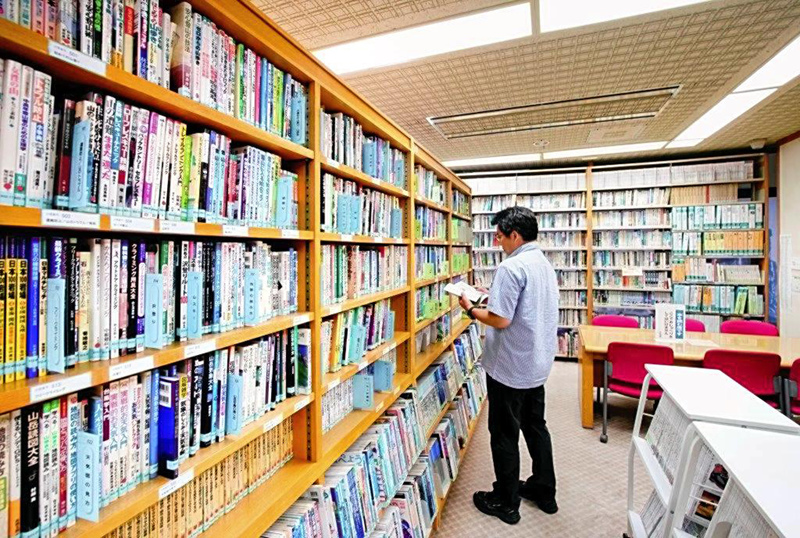
A library on the first floor of the museum houses about 5,000 books, including publications by Uemura and books on adventures, expeditions, mountaineering and other outdoor activities. Called Boken Toshoshitsu (Adventure Library), the library has a good stock of back issues of magazines as well. Everyone is welcome to read them free of charge and can borrow some for a fee.
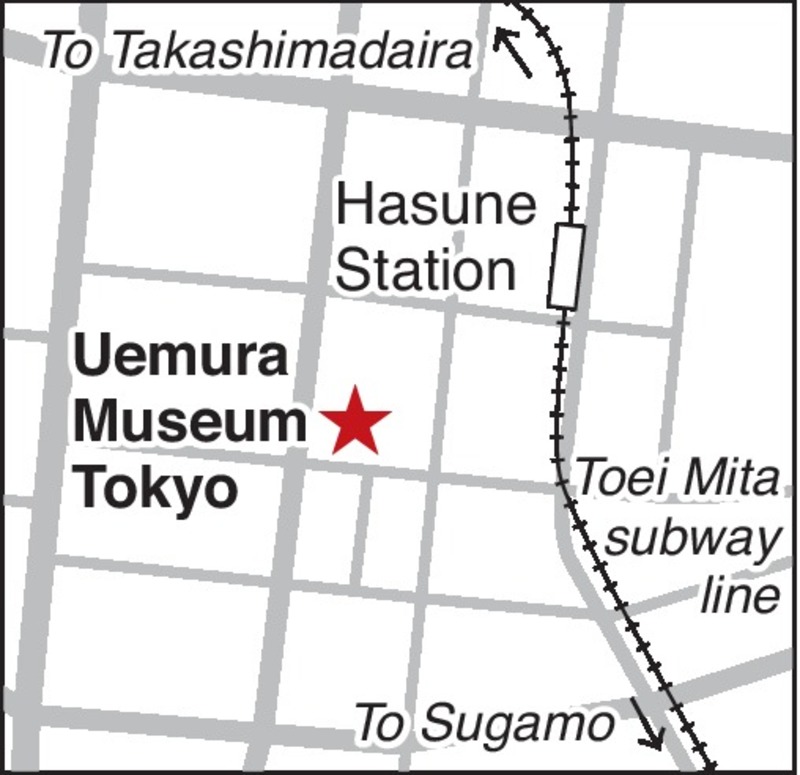
Address: 2-21-5 Hasune, Itabashi Ward, Tokyo.
Open: 10 a.m. to 6 p.m. Closed on Mondays (or Tuesdays if Monday is a national holiday)
Admission: Free
Information: (03) 3969-7421
Read more from The Japan News at https://japannews.yomiuri.co.jp/