Long ago, people climbed Mt. Fuji out of religious devotion. The mountain was considered the sacred abode of Shinto and Buddhist deities, and attracted many pilgrims who gathered in Yoshidaguchi at the foot of Mt. Fuji.
Exhibits at the Fujisan Museum focus on this devotion to the mountain. Many of the museum's items could only be found in this "town of priests" that in times gone by helped to spread the faith and welcomed pilgrims.
In former times, Mt. Fuji's repeated eruptions imbued people with a sense of awe over the mountain. Ascents for religious purposes are thought to have begun in the late Heian period (from the late eighth century to the late 12th century). Initially, only monks engaged in ascetic practices made the climb, but the custom gradually spread to the common people.
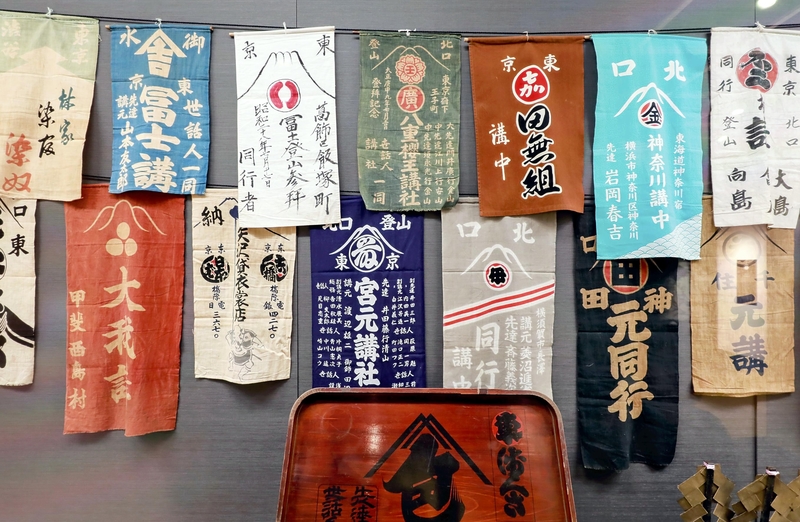
During the Edo period (1603-1867), different regions formed religious associations that would take turns making pilgrimages to Mt. Fuji. At its peak, people talked about the "808 associations of Edo."
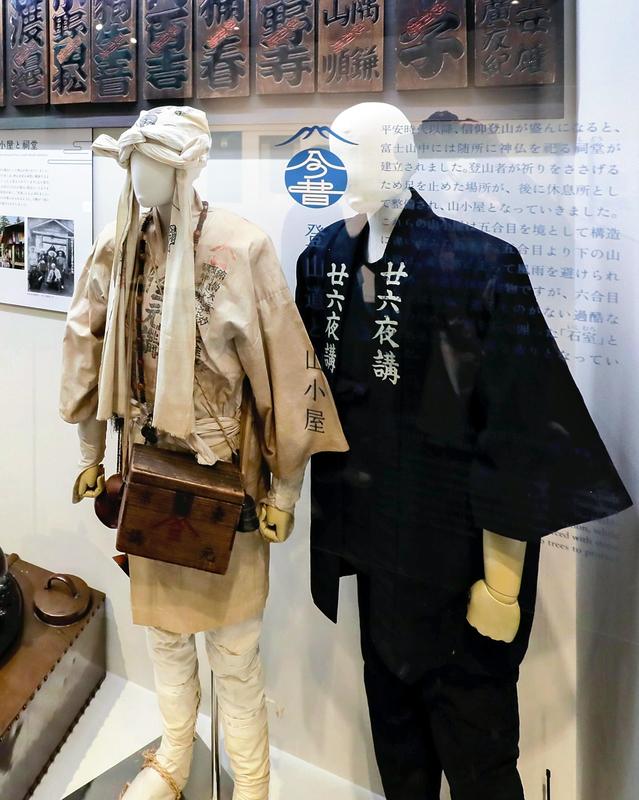
Kamiyoshida in particular could be conveniently reached from Edo, present-day Tokyo. At one time, the town had about 90 inns providing lodging to pilgrims. In an exhibition space made to re-create the Kamiyoshida of old, about 100 items are on display, including Buddha statues offered by pilgrims on the mountain, the white outfit worn by pilgrims and an Edo-period guidebook describing routes from Edo to Mt. Fuji.
There are also panels describing how practices originated and changed. Among them is a notice board to encourage people to climb the mountain that hung at Itabashi Station in Edo in 1860, an auspicious "go-en" year that comes once every 60 years.
"Worshippers were a precious resource for the locals," said curator Mitsutoshi Fuse, 49.
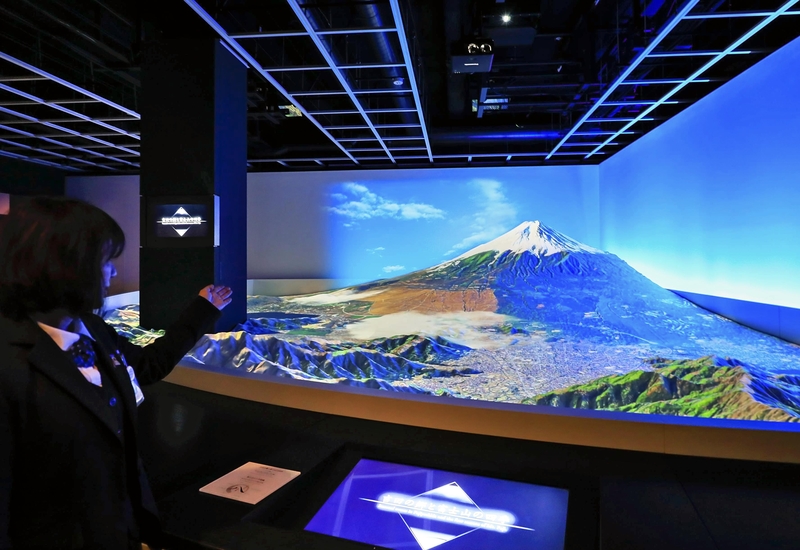
The museum also makes ample use of projection mapping and images in its exhibits. Projections onto a 1:2,000 scale model of Mt. Fuji show how the mountain's colors and other features change with the seasons.
A long rectangular touch panel shows inns, famous spots and other important features along the roughly 120-kilometer route from Edo to Mt. Fuji. The exhibit helps you imagine what it was like to make the trip back then.
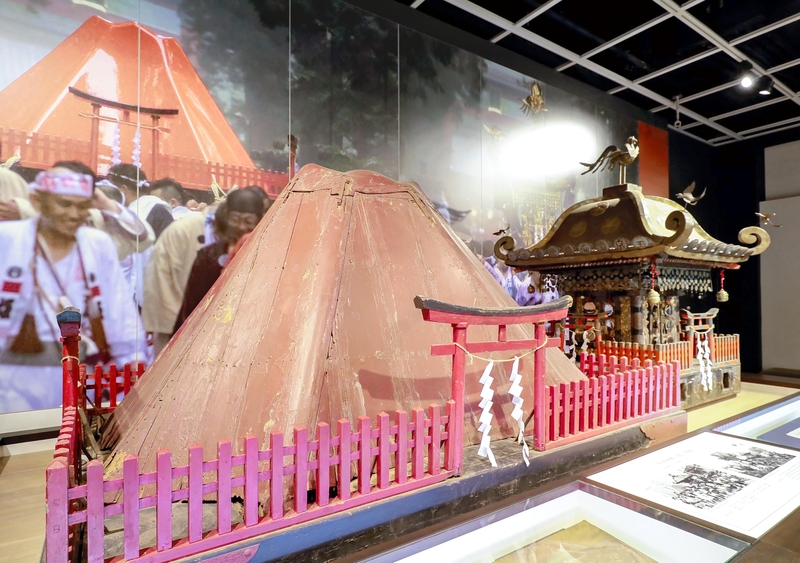
"We want people to know what Fuji was like in the past, which was different from today, when most people are climbing it for tourism," Fuse said.
Stopping by the museum before going up the mountain could give your trip a slightly different taste.
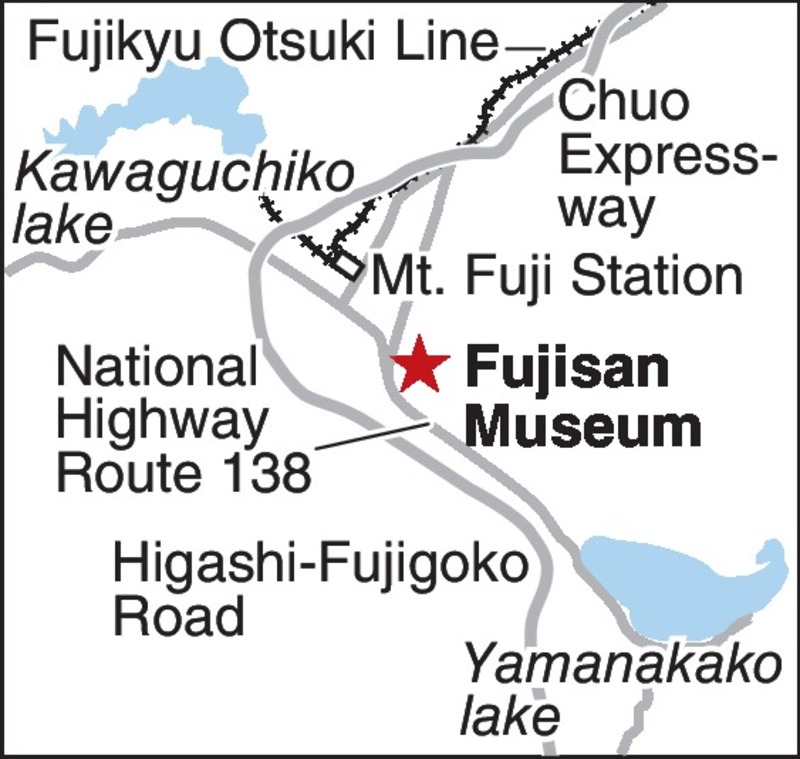
-- Fujisan Museum
The institution opened in 1979 as a local museum. Once called the Shi Rekishi Minzoku Hakubutsukan as a museum of local history and culture, it took its current form in 2015. Part of the exterior design is based on Mt. Fuji. There are also exhibits on the traditional Yoshida fire festival and local industries.
Address: 2288-1 Kamiyoshida, Fujiyoshida, Yamanashi Prefecture
Hours: 9 a.m.-5 p.m. Closed on Tuesdays (except holidays) and around New Year's.
Admission: Adults 400 yen; elementary, junior high, high school students 200 yen. Admission also includes the former residence of the Togawa family, many of whose members served as Shinto priests.
Information: (0555) 24-2411
Read more from The Japan News at https://japannews.yomiuri.co.jp/