Japan's first daily newspaper, The Yokohama Mainichi Shimbun, first began publication in 1871. In the nearly 150 years since its foundation, new forms of media such as radio, TV and the internet have emerged in succession. To understand the role of newspapers in today's information society -- and obtain a fresh perspective on my own profession -- I paid a visit to the Japan Newspaper Museum.
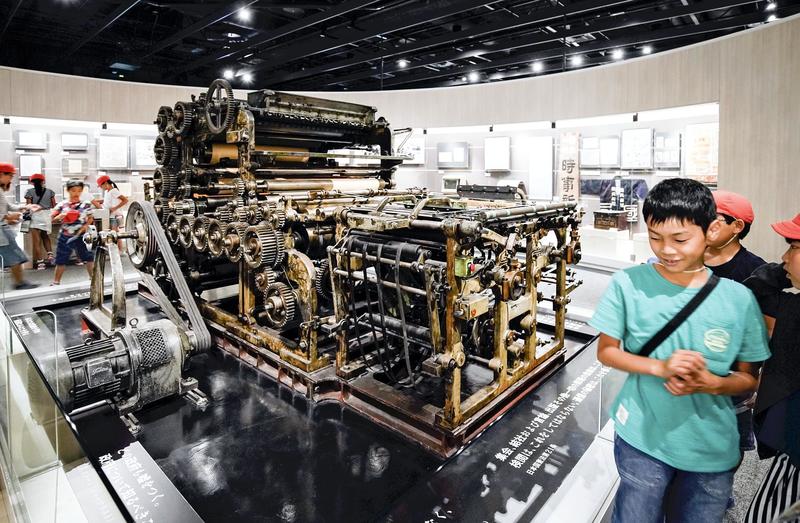
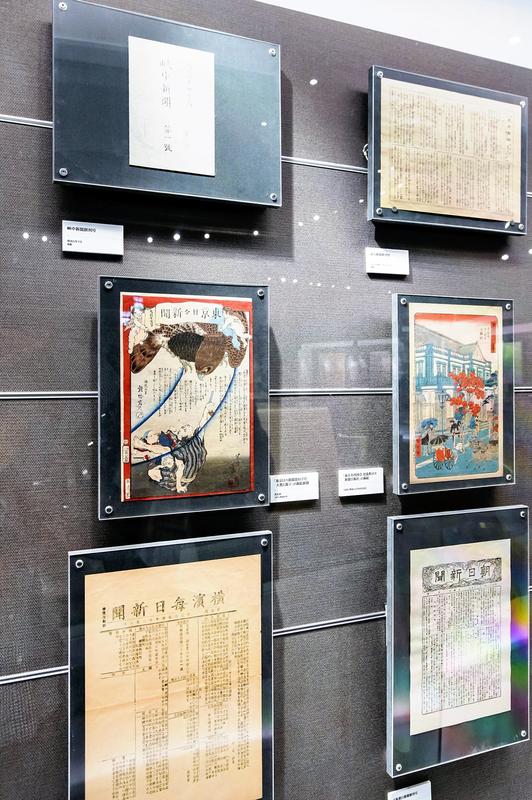
The permanent exhibit section displays objects that tell the history of newspapers, such as a rotary press, the inaugural issue of various newspapers and a stuffed carrier pigeon.
Further into the museum, I read tips on how to identify credible reports among massive amounts of information. In 1973, for example, a false rumor spread about the impending bankruptcy of a shinkin bank in Aichi Prefecture, which triggered a run on the bank that led to withdrawals of about 2 billion yen. An article from the time carried a photo of people flocking to the bank, capturing the depth of confusion.
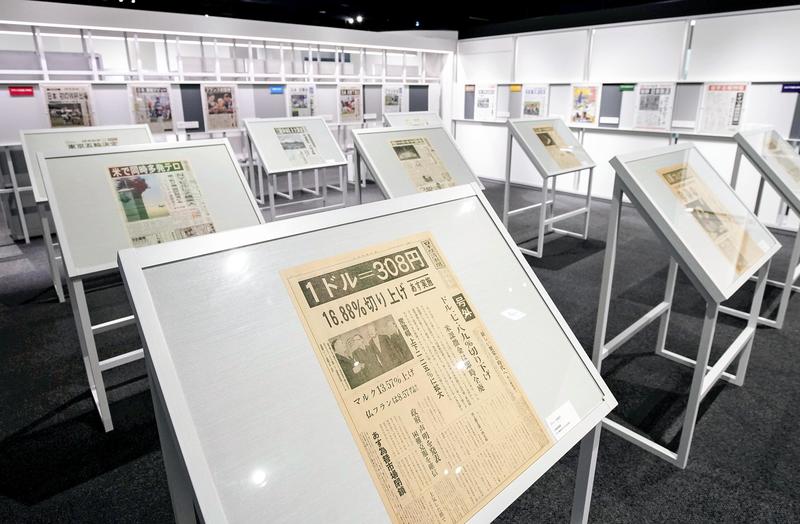
Only recently, false rumors such as "a zebra is on the run" flooded the internet after an earthquake struck Osaka Prefecture in June that measured a lower 6 on the Japanese seismic intensity scale of 7.
The museum display instructed "Confirm the source of information" and "Develop a habit of not blindly accepting information," words which I took to heart.
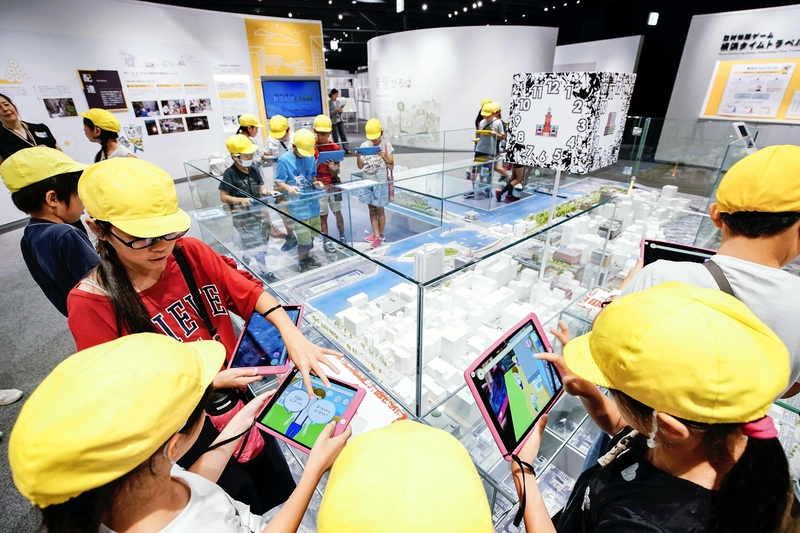
Toward the back of the museum, I saw elementary school students conducting mock news-gathering using augmented reality (AR) technology. When special tablets are placed over a diorama of Yokohama, animated characters appear on screen and provide users with information about the city's history. After selecting which questions to ask, users accumulate information that "results from [their] news-gathering," and is printed on A3-size newspapers. The children looked happy as they read their newspapers.
When asked what they thought about newspapers, one student said, "Because newspapers are published in paper, I can keep and read them when I have time." Others commented, "Newspapers are better than online media," and "Various newspapers have different perspectives." They discovered the significance of newspapers, and their insights were more profound than I expected.
There are many exhibits worth seeing, including articles that won awards from the Japan Newspaper Publishers and Editors Association and columns by renowned reporters from each newspaper. Visiting the museum, I felt anew the original reason I became a newspaper reporter as I listened to the opinions of children and viewed the past achievements of great reporters.
-- News Park (Japan Newspaper Museum)
The Japan Newspaper Publishers and Editors Association opened the Japan Newspaper Museum in 2000, with renovations completed in 2016. The museum offers a workshop in which "personalized newspapers" which include photographs can be created using editing software. No reservations are required in advance. The museum is directly connected to Exit 3 of Nihon-odori Station on the Minatomirai Line.
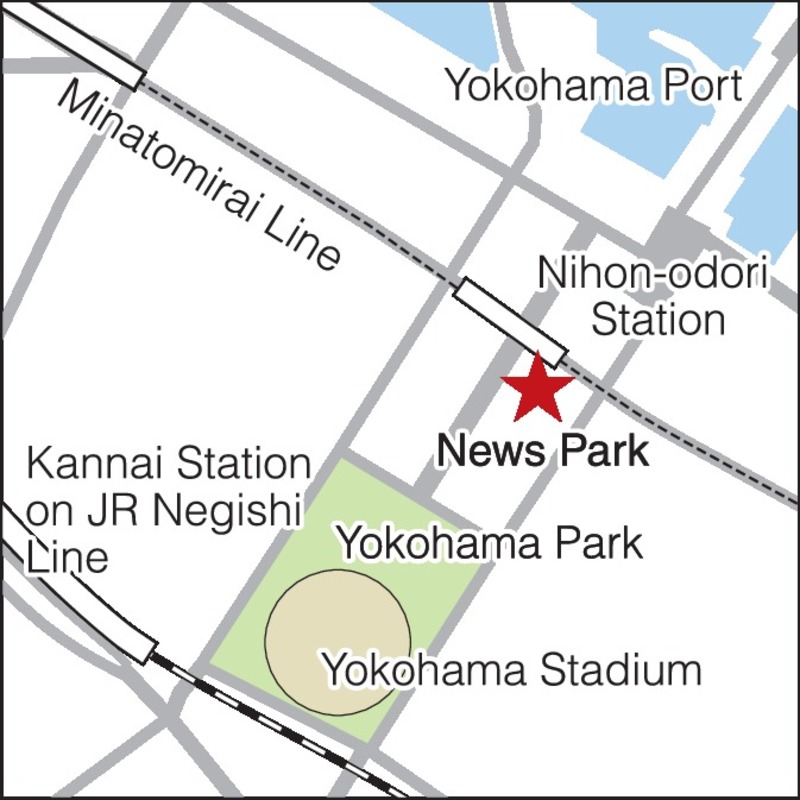
Address: 11, Nihonodori, Naka Ward, Yokohama (within the Yokohama Media and Communications Center)
Open: 10 a.m. to 5 p.m. (Closed on Mondays. If a Monday is a national holiday, it closes the following Tuesday.)
Admission: 400 yen for adults, 300 yen for university students, 200 yen for high school students and free for junior high schools students or younger.
Information: (045) 661-2040
Read more from The Japan News at https://japannews.yomiuri.co.jp/