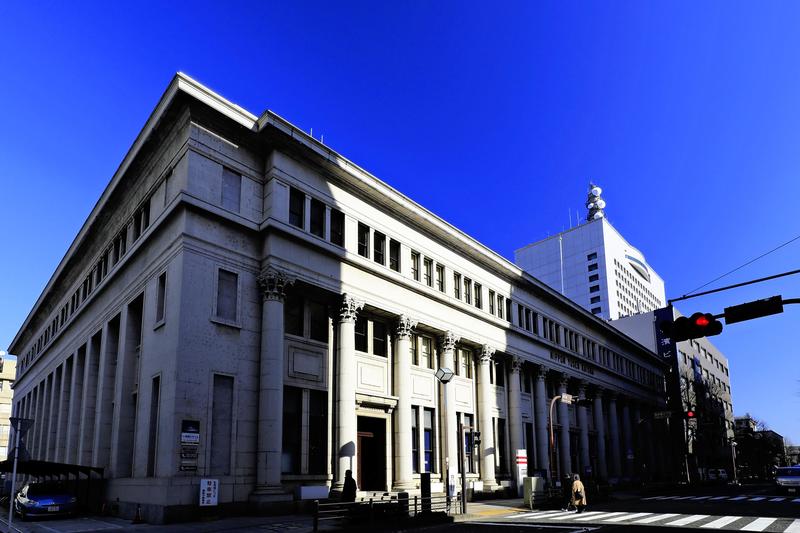
The Yokohama Yusen Building gives the impression of a massive, ancient Greek temple with its 16 columns out front, each 10 meters tall. Rather than Greek art, however, you'll find the NYK Maritime Museum inside, opened in 2003 on the first floor.
This "temple" to maritime shipping was built in 1936 to commemorate the 50th anniversary of the establishment of the Nippon Yusen K.K. shipping company, known as the NYK Line.
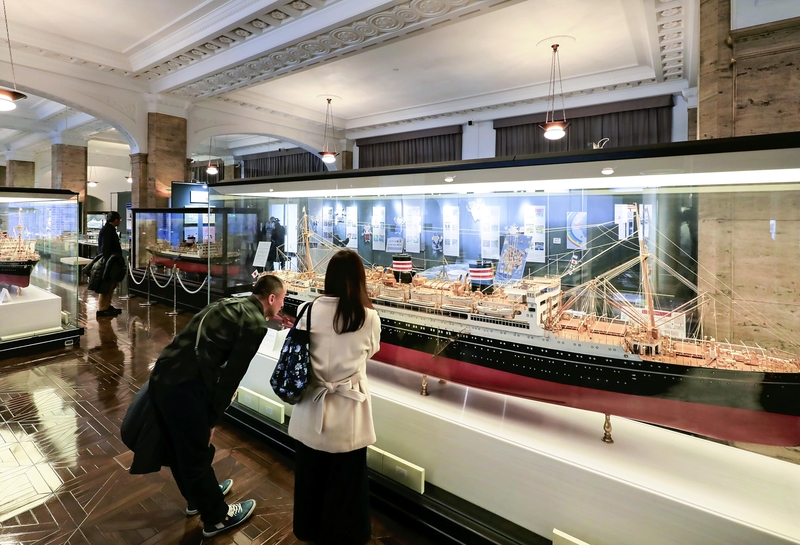
Upon entering the museum, you find yourself surrounded by models of luxury passenger boats, including the Asamamaru. The boats were in operation from around 1929 on sea routes including a course between Japan and San Francisco. Some had lounges and swimming pools, as well as zashiki Japanese-style rooms.
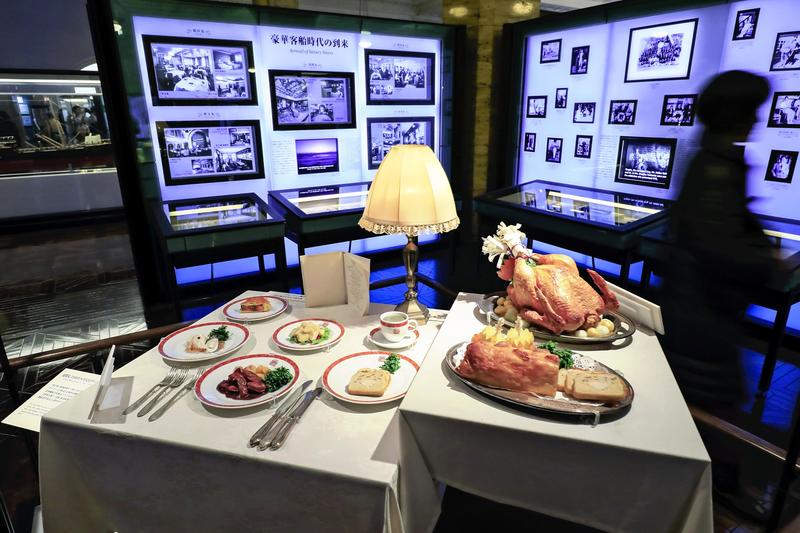
French full-course meals were offered on the ships, including lamb grilled on an iron plate and flatfish steamed with wine, which were all quite popular. Many people praised the dishes, saying, "There are two types of Western cuisine -- that found with NYK and the other found at the Imperial Hotel."
Celebrities such as Charlie Chaplin and Albert Einstein are believed to have traveled on the ships.
Yataro Iwasaki, who was the founder of the Mitsubishi conglomerate, also laid the groundwork for the NYK Line and put his passion into the shipping business.
"Without strengthening shipping and trading, there will be no future for Japan," Iwasaki is believed to have said around 1870.
Iwasaki stood at the forefront of the Japanese marine transportation business. In 1875, he established Japan's first international sea route by launching regular services between Yokohama and Shanghai.
"I'm impressed by the ambition of Yataro Iwasaki [who was also a feudal retainer of the Tosa domain] because I'm originally from Kochi Prefecture," formerly known as Tosa, said company employee Manabu Nishimori, 50, from Taito Ward, Tokyo. "I had no idea there were so many routes connected to other countries. The history of Iwasaki taking the lead in that was amazing."
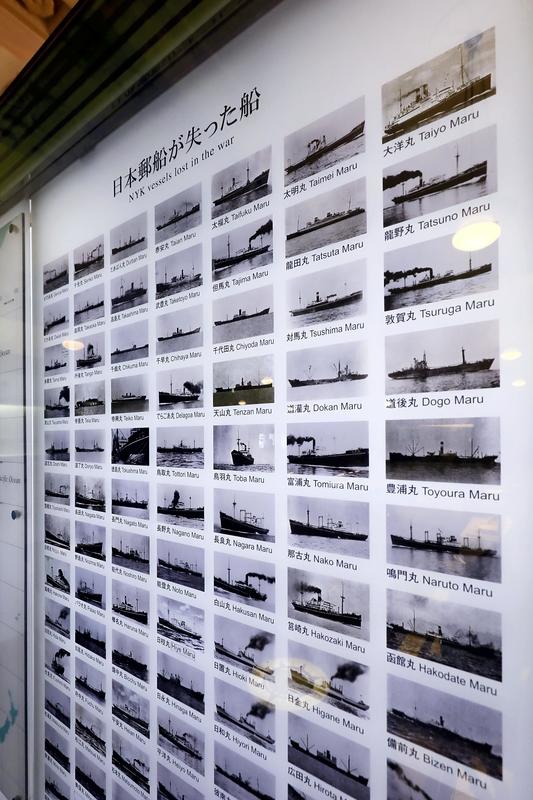
However, wars cast a long shadow over the shipping industry. In the 1940s, the services of ocean liners were suspended one after another. During the Pacific War, many ships were requisitioned by the army, navy and others.
Even the NYK Line had 222 ships requisitioned. Of this number, 185 ships were sunk, with 5,312 of the company's employees killed.
The museum exhibits items such as tableware whose pattern has faded from being in the sea for a long time, and a window frame from a sunken ship, to help show current generations what happened during the war.
After World War II, the NYK Line and others made every effort to repatriate 7 million military and civilian Japanese who were left abroad.
During the high-growth period of the Showa era (1926-89), the NYK Line was among the first in the nation to introduce container ships amid growing demand for dedicated ships to carry oil and iron ore.
The marine transport business, which supports the Japanese economy, is even now expanding its global networks.
-- NYK Maritime Museum
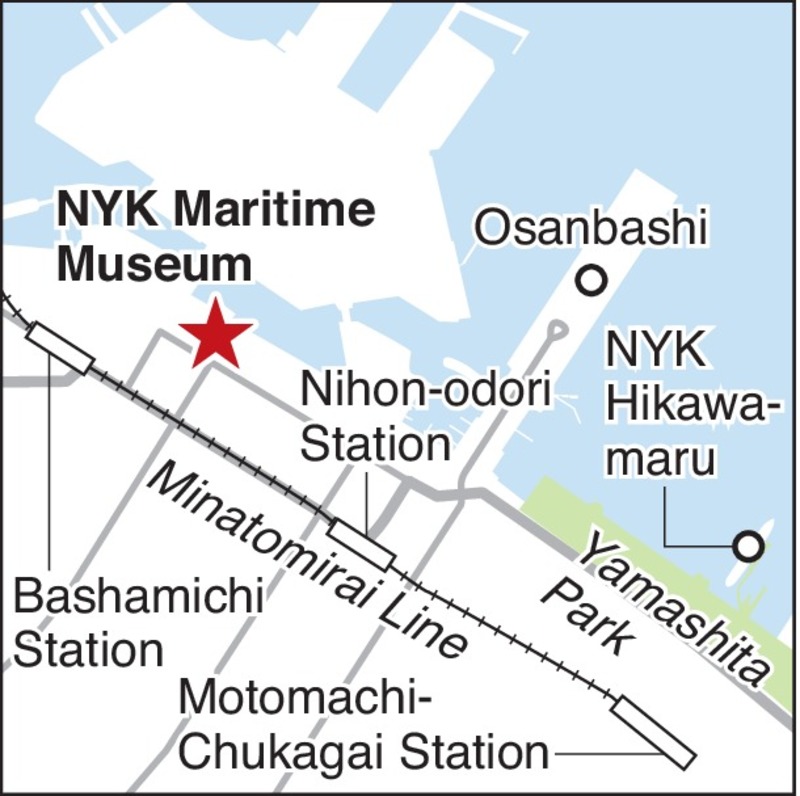
The NYK Line's historical resource center, which was established in 1993, was relocated to the Yokohama Yusen Building in 2003 and given the current name. An exhibition focusing on the Hikawamaru is currently under way through April 22.
Address: 3-9 Kaigandori, Naka Ward, Yokohama
Opening hours: 10:00 a.m. -- 5:00 p.m. Last entry by 4:30 p.m. The museum is closed on Mondays. If a Monday is a public holiday, the museum will be open and then closed on the next normal day.
Admission fees: 400 yen for adults and university students, 250 yen for high school and junior high school students and people aged 65 or older. Free for elementary school students and younger.
Read more from The Japan News at https://japannews.yomiuri.co.jp/