The word koshinjo means a detective agency to most Japanese speakers, but it was originally a translation of the English term "mercantile agency," an organization that evaluates companies' creditworthiness.
Teikoku Databank, Ltd., which often appears in news reports about corporate bankruptcies and other matters, used to be called Teikoku Koshinsho, until it took up its current name in 1981.
Credit research is done to check whether a company has the ability to pay its business partners. Such research is thought to have been originally conducted by the actual people involved, but this became impossible as the scale and geographical range of business transactions expanded in the wake of the Industrial Revolution.
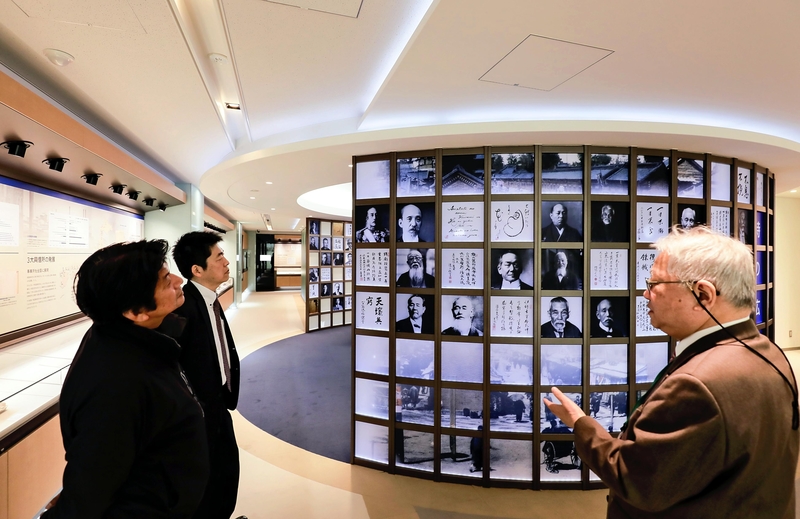
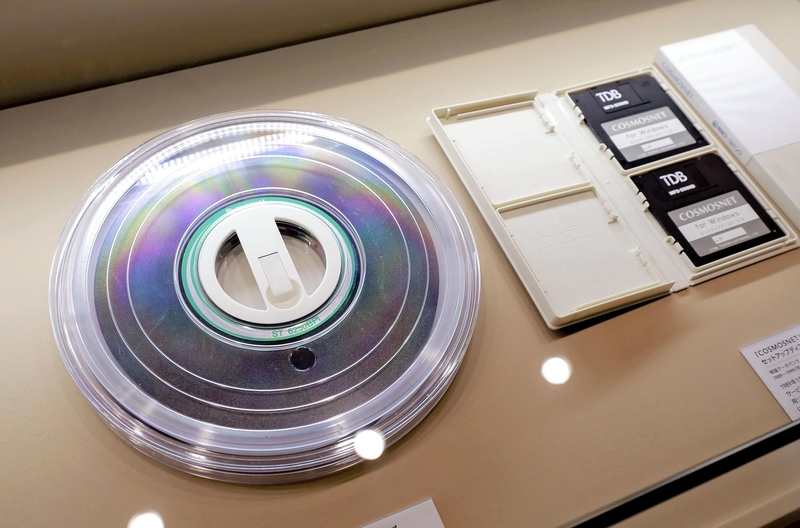
An organization specializing in such research was founded in Britain in the early 19th century. In Japan, the nation's first credit research agency was established in 1892. Various materials trace the 200-year history of the credit research industry, and its history in Japan, at the Teikoku Databank Historical Museum in Shinjuku Ward, Tokyo.
What exactly has been investigated? Under the current system, a company is evaluated with scores based on factors such as its business history, financial losses and profits, as well as its managers. This is a result of persistent efforts to make evaluations more objective.
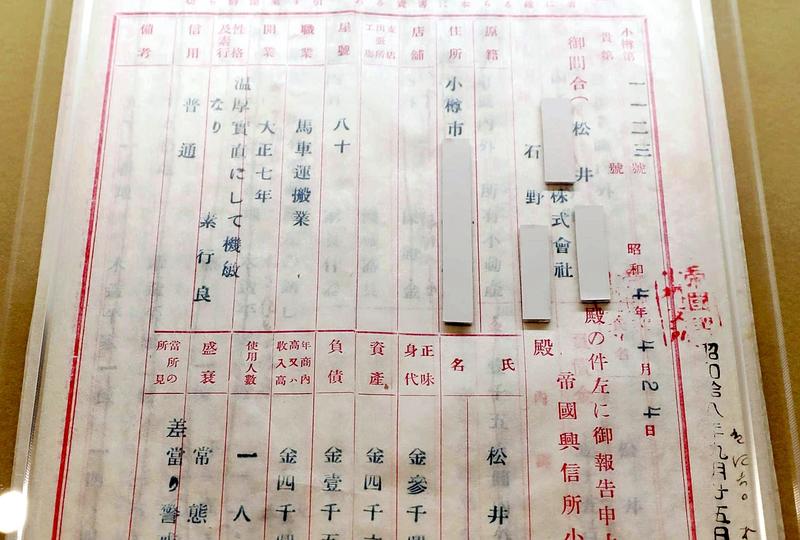
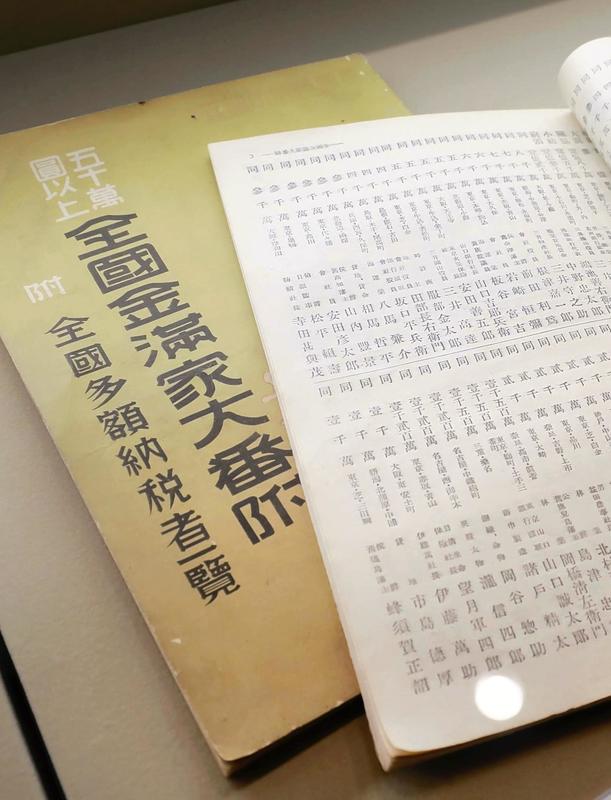
Until Teikoku Databank introduced the score-based evaluation system in 1958, it evaluated companies with statements such as "Caution is required." A report dated in 1929 includes such statements: "[The manager is] gentle, sincere and honest, and he is a man of quick action," and "It is our assessment that caution is not required for the time being."
The company evaluated was engaged in transport services with horse-drawn carriages. It's fascinating to learn from the museum's collection about the rise and fall of certain businesses over time.
The credit research industry steadily developed as commercial transactions became more active. However, it faced a recession triggered by the 1927 financial crisis, and was scaled down under a controlled economy during World War II.
Restrictions were also imposed for counterespionage reasons, such as banning credit research companies from visiting the companies being investigated and requiring credit research companies to inform authorities when they received requests for investigations from foreign clients.
A section of the exhibition covering the postwar development period gives a glimpse of the history of technological innovation as well. A photo taken at Teikoku Databank in 1965 shows women using electric calculators with their left hand while counting on abacuses with their right. It took much longer for the calculators to display results than present-day pocket calculators, and employees were said to be verifying their calculations while waiting for the results.
Museum director Takashi Takatsu, 68, said: "The credit research business is a mirror that reflects the market economy. I hope visitors will actually feel the history."
Teikoku Databank Historical Museum
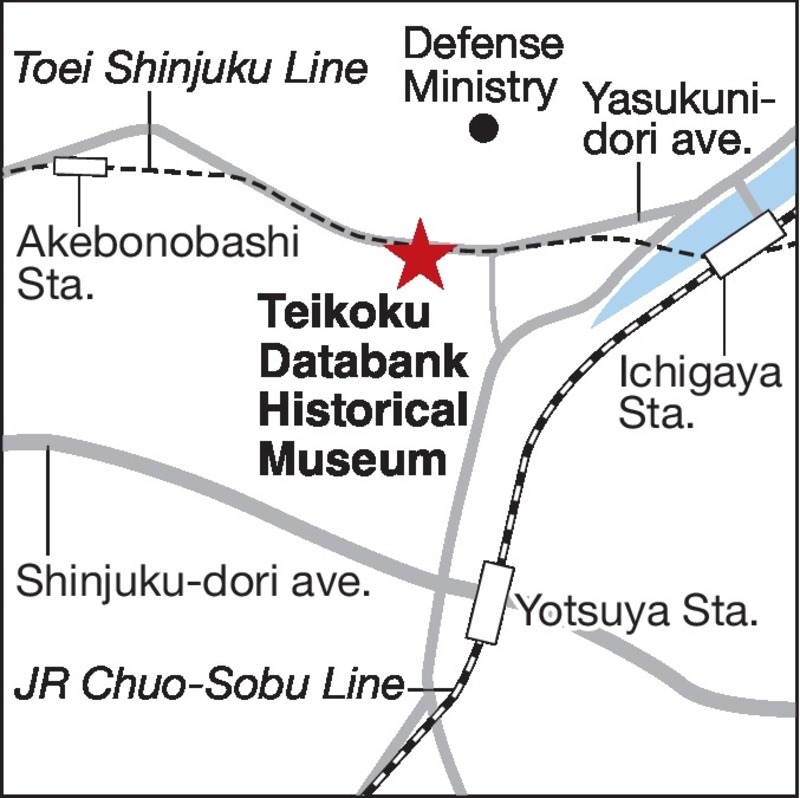
Opened in 2007. A branch museum in Chiyoda Ward, Tokyo, preserves about 8,000 historical items related to corporate management, such as histories of companies and organizations. These materials can be viewed if reservations are made in advance.
Address: 14-3, Yotsuya-Honshiocho, Shinjuku Ward, Tokyo
Open: 10 a.m. to 4:30 p.m. (entrance until 4 p.m.) Closed on Mondays, Saturdays, Sundays and national holidays.
Admission: Free (reservations required for a curator's guide)
Inquiries: (03) 5919-9600
Read more from The Japan News at https://japannews.yomiuri.co.jp/