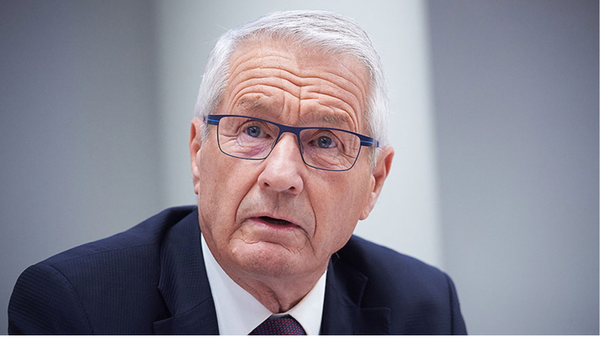
PRIVATE health insurance premiums should be determined by health status and risk, as well as age, a University of Newcastle academic says.
Professor Francesco Paolucci, of the university's business school, said basing premiums on a person's likelihood of using their private health insurance, and redirecting rebates, could lead to a more efficient, effective and equitable system.
He said private health insurance in Australia currently operated under a legislated "community rating" system, where insurers charge everyone the same premium for the same cover, irrespective of age, gender or health.
It meant the "young and healthy" subsidised "older, sicker" Australians through higher premiums - which had ultimately led to younger, low-risk people "opting out" of private health insurance.
Professor Paolucci said that while legislated age-based discounts began in April, 2019, they had not yet achieved their aim of keeping young people in private health insurance.
In an article for The Conversation, Professor Paolucci and his co-authors wrote that between July to September, the biggest decreases in coverage were for people aged between 25 and 34 - with more than 7000 people in that age group dropping their private health insurance cover in that period.
They said if too many young people exited the system, premiums would rise for everyone.
"The current system encourages young and healthy people to drop their cover," Professor Paolucci said.
"If that continues to happen, it will deteriorate the quality of the pool of individuals in the market, which ultimately could lead to unaffordable premiums for the elderly or the sick.
"So why don't we think about relaxing this community rating regulation and instead, make sure that high-risk individuals are subsidised, and subsidised in a more sophisticated way?"
Professor Paolucci said to ensure older and higher-risk members were not priced out of private health insurance, current rebates would need to be redirected. Instead of being based on income and age - irrespective of health needs - rebates could be based on a person's health status.
"Currently we have an inefficient, ineffective way of taking care of high-risk people through community rating and premium rebates," he said. "This way, the people that are more exposed to risk - whether by age, gender, morbidities and co-morbidities, are adequately subsidised so they can afford the coverage."
Risk-based insurance schemes already operated "successfully" in countries including China, Germany and New Zealand.
"A lot of countries in the world have this model of regulating the market," he said.
"We would like people to look at this with an open mind, and see what other countries have been doing. Each country has its own context - we can't have a model for all. But I think we make an interesting case for reconsidering the way we support affordable access to coverage."
- Newcastle Boxing Day races: Photos from fashions in the field and more
- Mayfield stabbing: murder charge after 50 year-old man dies in Silsoe Street incident
- Hunter Photography Prize 2020: Newcastle and Hunter picture entries on show
- Letters to the editor and short takes, December 27 2019
- Newcastle disaster relief fund likely to wind up in 2020 says chairman on eve of 1989 earthquake anniversary
- Ardent Oceania will have a team of 25 people working around the clock to recover containers from sea floor