
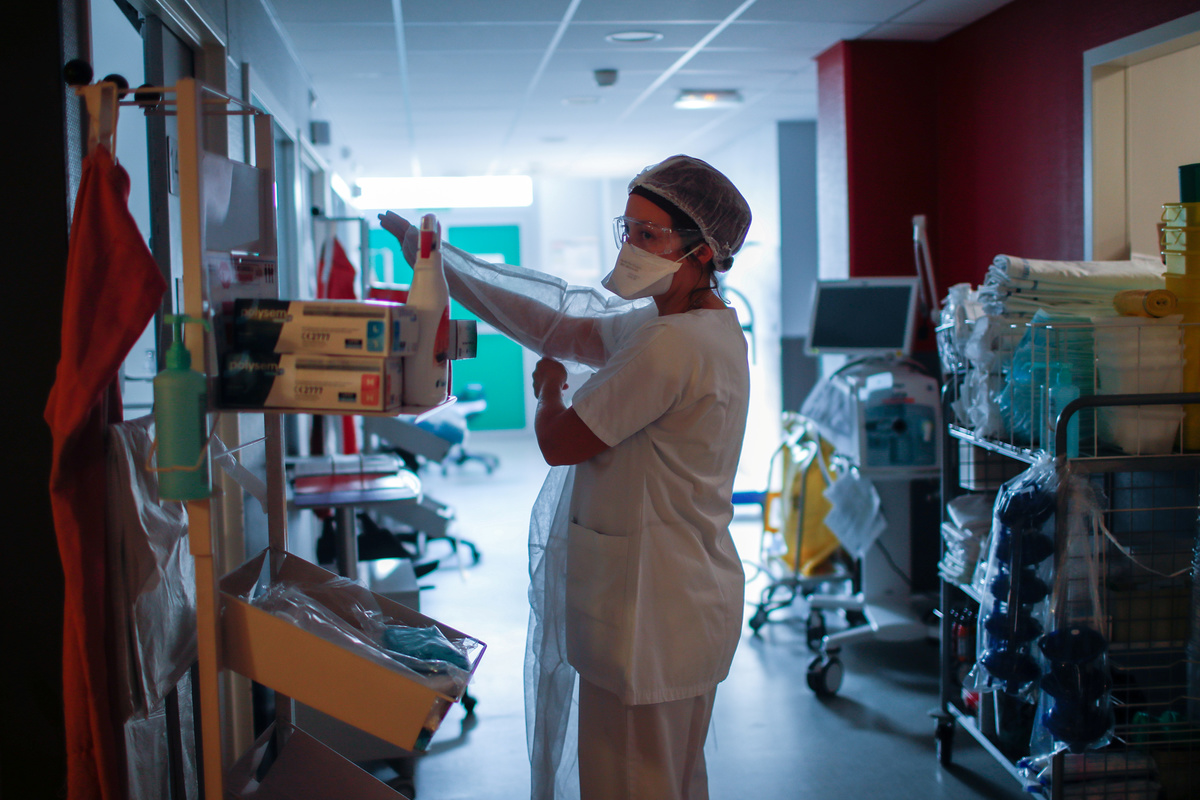
Doctor Alexandre Avenel has four COVID-19 patients in his intensive care ward, all with depleted blood oxygenation levels but none under intubation. That might not have been the case six months ago.
As a second wave of coronavirus sweeps across France, and the number of seriously ill patients climbs, intensive care medics say the lessons learned from early in the pandemic are leading to changes in how they treat the sick.
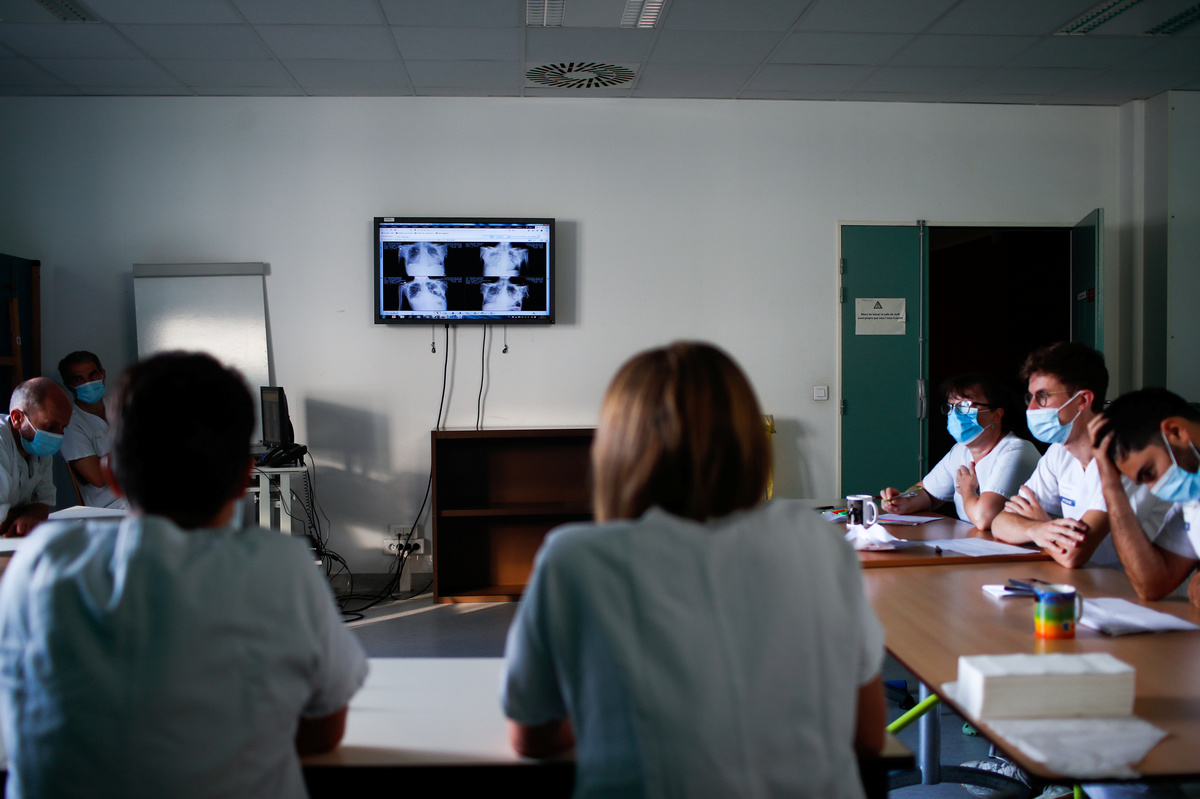
Avenel and his colleagues are delaying mechanical ventilation, a procedure which involves running a tube down a person's windpipe, increasingly placing non-sedated patients on their fronts and reducing the doses used in cortico-therapy.
"Little by little, we learned that we didn't have to intubate all the time, and so now we try to put this off," Avenel told Reuters during his shift at a public hospital in Aulnay-sous-Bois, on the northern edge of Paris.
"We needed the experience of the first wave in March and April to realise these people could resist it and that we could hold off (intubating) while they fought it."
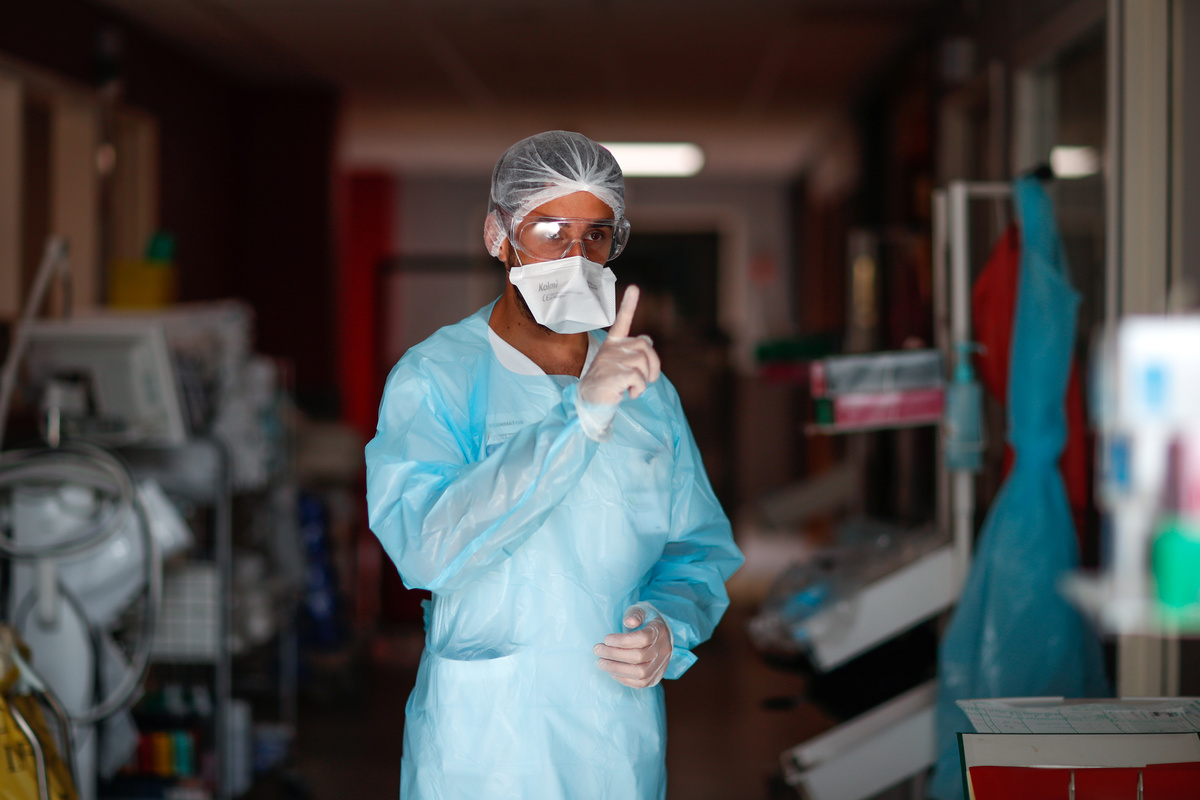
Ventilators are vitally important and have helped save lives. But doctors have highlighted the risks of using invasive, mechanical ventilators too early or too frequently.
Avenel said at the outset of the crisis his team would intubate once a patient's blood oxygen saturation fell to 75-80%, based on experience from other acute respiratory diseases.
Now they understood that the condition of some seriously ill patients would plateau, allowing for other ventilation techniques and therapeutic strategies, including corticosteroids, to be used. These, Avenel said, did not carry the same risk of secondary lung lesions and heart complications as intubation.
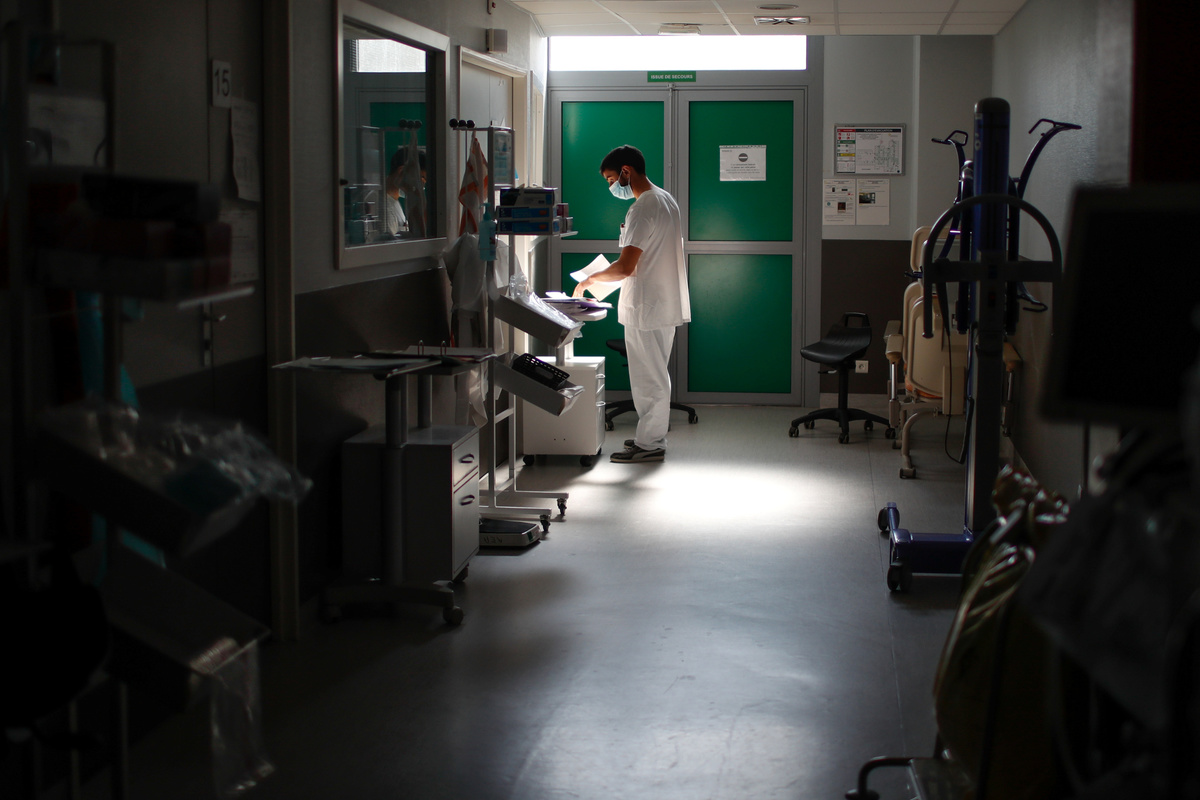
"We've had good results," Avenel said of placing conscious patients with non-invasive ventilation on their fronts.
The refined approach reflects a broader shift on the frontlines of the COVID-19 pandemic in Europe and beyond, as doctors have rethought their use of mechanical ventilators to treat severe sufferers.
In France, the number of COVID-19 sufferers in intensive care has more than doubled to 752 over the past month. In Marseille, epicentre of the second wave, doctors warn their units are close to saturation.
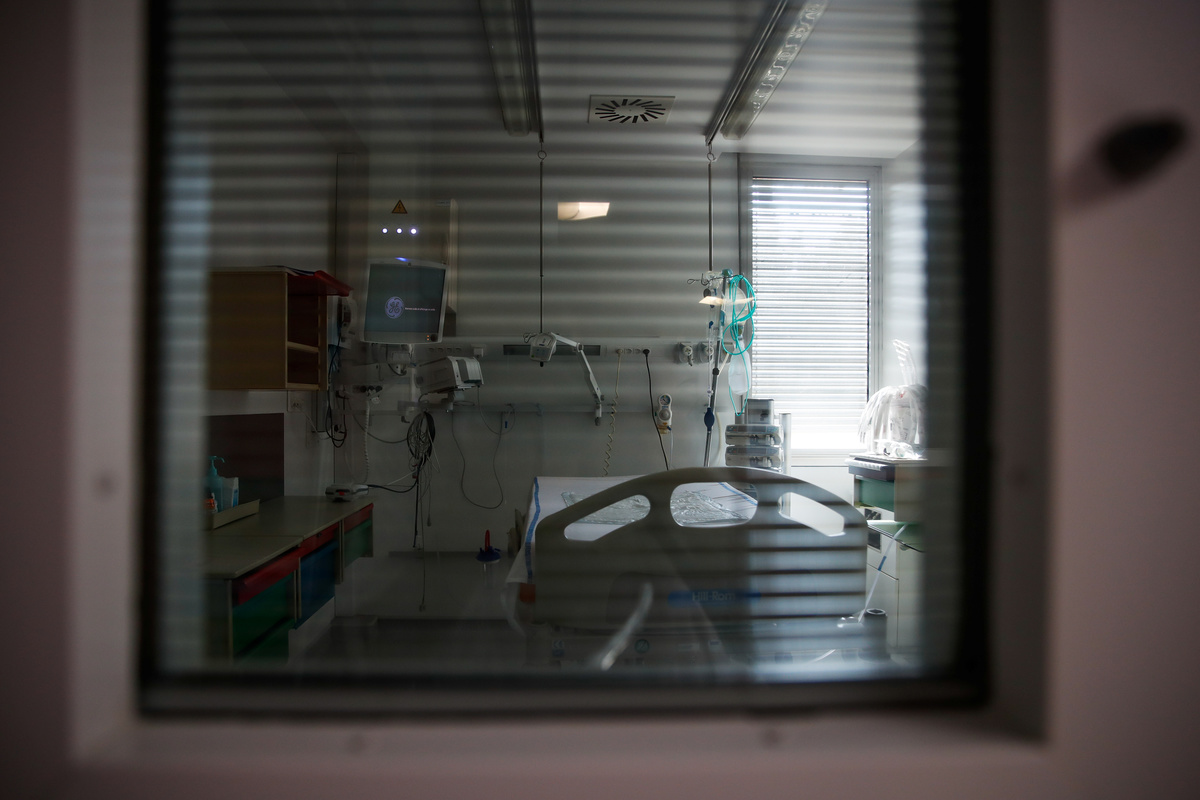
Avenel's hospital in Seine-Saint-Denis has 18 intensive care beds. Six are dedicated to COVID patients, four are occupied.
Seine-Saint-Denis' blue-collar, racially diverse demographics meant it was one of the hardest hit parts of France during the first wave. The summer lull in cases brought brief respite to Avenel's ward, and with it the danger of complacency.
The ward saw just one staff member test positive during the height of the epidemic in the spring. Last week alone, six tested positive.
Asked about the physical and mental wellbeing of his staff as admissions rise again, Avenel's ward leader Francesco Santoli said: "We're tired, and a little fatalistic."
(Reporting by Noemie Olive; Writing by Richard Lough; Editing by Janet Lawrence)













