The penguin was born in Torquay, they say. Only last year it was moved from Devon to Tbilisi, to set up a new breeding colony. It was an African penguin, a species which lives 10,000 kilometres away in southern Africa. And this week it escaped its new home after flash floods obliterated the Georgian capital’s zoo. The penguin ended up 60 miles downriver, on the border with Azerbaijan. So what, really, was an African penguin doing in Europe at all? And what, exactly, was the point of it being held captive?
This week, of all weeks, seems like a good time to revisit the question: what is the point of zoos? To try to find an answer, let’s continue with the penguin. The African penguin is officially “endangered” according to the International Union for Conservation of Nature. It is threatened with extinction because of the steep population declines resulting from human interference in its native habitat, mainly from commercial fisheries and oil spills. A number of zoos contribute to global conservation efforts to save African penguins through captive breeding. That, zoos tell us, is the most important role they play. So our penguin, fished out of the river near Azerbaijan, is a Happy Penguin. It is part of a global conservation machine which, we hope, will pay out when we can reintroduce captive-bred African penguins back into the wild at some later date. It is a penguin upon whom fortune smiled.
But many of the other creatures that fled their enclosures this week may not have been “happy”. As species that require little or no conservation action, these animals served only, some would argue, to entertain. We saw images of dead bears, and alligators. There were wolves on the run. Hyenas. What was the point of keeping any of them in captivity? They weren’t a conservation concern. What were these animals doing in a zoo?
Many biologists are against zoos and aquariums, some of them vocally so. I am not one of them. I really quite like zoos, to the extent that I spent one summer working at an aquarium dressed in a massive foam shark costume. I got kicked and hassled, sure.
But it was mostly fun and there was an educational message attached: sharks aren’t monsters. I have never met more committed and educated professionals in any field than in my dealings with zoos. The Zoological Society of London, in particular, runs one of the most cutting edge conservation projects I can think of, trying to tackle an amphibian disease (chytridiomycosis) that has drastically reduced wild populations of frogs, toads and salamanders globally. Without the zoo this couldn’t happen. It has become a global leader in our understanding of infectious wildlife disease.
Many zoos seek genuinely to reintroduce species back into the wild; many are creative in their conservation approaches and they educate millions of people in the process. Most UK zoos are the best of the best. But this is an uncomfortable topic for some zoos: why keep creatures that aren’t threatened with extinction?
The answer you’ll hear from the managers of zoos is that if it’s not about conservation, it is about education. Keeping ostriches, alligators, wolves, they argue, helps bring the punters in and it teaches them to love animals. Plus the money made in gate receipts goes into the conservation programmes, they say. But not all zoos are at ease with this principle. London Zoo, for the record, seems much more committed to the conservation message than other zoos. But Tbilisi? After seeing those photos, I’m not sure. What we know is that it wasn’t part of WAZA, the World Association of Zoos and Aquariums (whose slogan is “United for Conservation”). Perhaps this is one reason why?
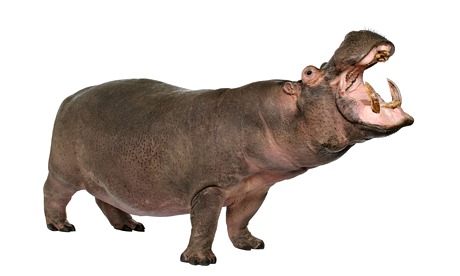
The picture that grabbed most international attention this week was that of a lonely hippopotamus wandering through Tbilisi’s streets while men loaded their tranquiliser guns from a safe distance – a comical image straight out of a surrealist painting or a Hollywood disaster movie. But many of the other images were more harrowing: tigers and lions shot dead. Lifeless bears lifted from the sludge by cranes. Ostriches buried under rubble. What a sorry and sad mess.
The impact of these flood will live with people for a generation. I’m truly sorry for Georgia’s loss and in no way do I wish to belittle human suffering by focusing only on animals, but I found many of these photographs of the dead or confused animals haunting.
I hope that Tblisi Zoo will be rebuilt and restocked. But I hope those awful images will not be forgotten and that the rebuilt zoo will have a more open cause, conservation at its heart. Look to other zoos. Think and weigh up the conservation significance of every single new acquisition. At least then, any animals that die in events like these have some value. They lived for something. They died for something more important than our entertainment.