In 1991 twelve Southampton citizens used the Community Care Act 1990 to launch a not-for profit association, SCA Group, to provide services for older and disabled people under local authority contract. The initiative was immediately successful. Some parts of the voluntary sector were suspicious of contract culture, but SCA seized the opportunity. Day care, home care and support services were established after a start-up grant of £100k was given by Southampton Health Authority
SCA later added specialised transport and community care training to its portfolio. By 2003, due to a shortage of NHS dentists, and working with Hampshire PCT, SCA launched five new NHS practices in 18 months, recruiting many dentists from central Europe. With another practice added in 2011, SCA Trafalgar dentistry is now one of the most profitable parts of SCA Group. In 2008 SCA opened the Fenwick2 Health and Well Being Centre after taking over a former community hospital as an NHS Pathfinder project.
SCA Group now turns over £10m annually, but it exists in a very different world. The social care market is crowded and very price-driven. Local authorities are squeezing budgets for community care and forming their own provider companies.
As one leaves an organisation that has been a whole life obsession, self-congratulation, rather than objectivity usually rules the day. But it's a time for at least thinking about some missed opportunities.
During my time SCA could have invested more in promoting and expanding into more diverse healthcare markets and could have borrowed in order to do so. The private sector is rapidly cross-subsidising its way into this area, even launching "social enterprises" with limited social value or asset locking. We could have charged higher prices, to raise a higher level of profit.
Partnerships are key to this sector's future. SCA worked well in its early days with local authorities and it is now forging alliances with NHS foundation trusts. This area of co-operation could give the trusts the ability to subcontract to a reliable partner that would give solid community feedback and serve the most deprived areas with sensitivity. The work would be cost effective and new ventures could be launched with a unique skill mix at a managerial and operational level. A real "whole system approach" could be given to hospital discharge for vulnerable people.
Marketing of community businesses and social enterprises has also changed dramatically. In the 1990s services and products used to market themselves through successful pilot schemes. Now as relationships with customers are more direct through personalisation and by working in more mixed economies, complex marketing has become increasingly important. Marketing is now done through tweets, websites and Powerpoint presentations, a world away from 20 years ago.
I personally believe that anyone setting up today should go for a community interest company, with executive directors to guide the company alongside non-executives, with the aim of developing employee profit sharing. The position of exempt charities with regulation directly by the Charity Commission is still in no-man's land – and careful consideration of how social enterprises work will need to be factored in.
As I leave SCA, I still see a world of opportunity for the fleet-footed and quick thinking social entrepreneurs. SCA is well placed to seize new opportunities to improve the lives of its members and communities further. For my next step I am thinking about free schools, the role that innovation could play in their development and how social enterprise principles could be applied in this sector.
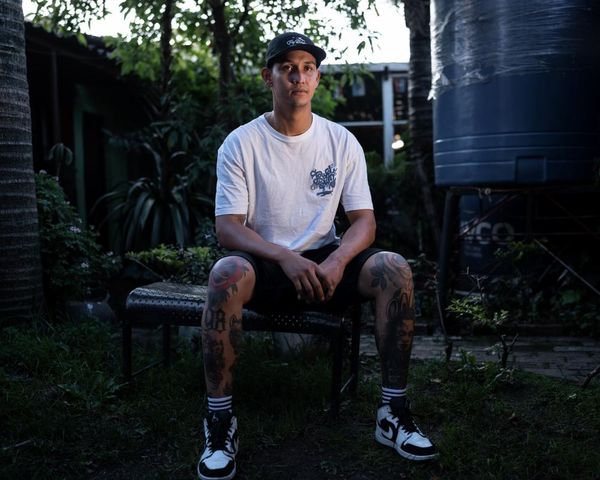
Brian Strevens, founder and former chief executive of SCA Group, recently retired as executive vice president of SCA.
This content is brought to you by Guardian Professional. To join the social enterprise network, click here.